So whether you’re planning your next journey and looking for inspiration or simply curious about what’s on discerning travellers’ bucket lists for next year, here’s a closer look at the top luxury travel trends for 2026.
If 2025 proved anything, it’s that the five-star stay alone no longer cuts it. Today’s travellers are seeking more than polished suites and postcard views; the focus has shifted towards experience-led getaways that prioritise wellness, depth, and authenticity. Drawing on the insights of our global ASMALLWORLD community and the emerging patterns we’ve observed across the world of luxury travel, we’ve identified the key themes that will shape the year ahead.
#1 Personalised, Ancestral Travel
Ever wondered where your ancestors truly lived? Not just which country, but which village, which valley, the exact corner of the world where your story began. Personalised genetic travel is transforming that curiosity into an entirely new way to explore. More travellers are taking DNA tests, uncovering their heritage, and setting out to walk the same streets their great-great-grandparents once did. From bespoke itineraries built around genealogical research to private meetings with local historians or even distant relatives, this trend invites travellers to trace their lineage and step into their own history.
“What makes this one of the more meaningful travel trends for 2026 is how personal it feels, like reconnecting with a place and a past that’s always been a part of your genetic makeup,” shares Zain Richardson, CEO of ASMALLWORLD.
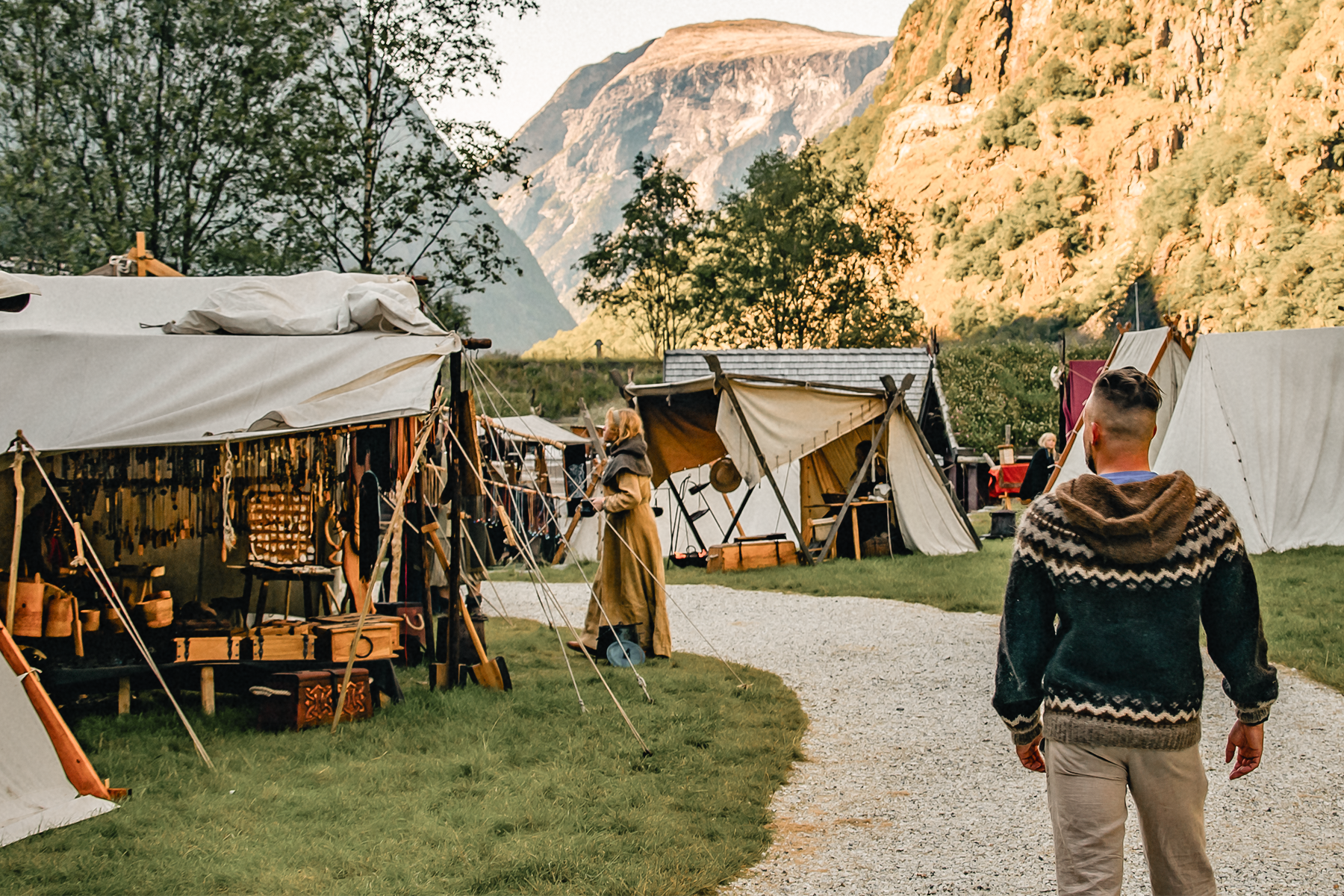
Trace the path of your past.
#2 Luxury Pet-Friendly Travel
Demand for luxury pet-friendly travel has grown remarkably over the past year, evolving from a niche request into one of the defining trends for 2026. Travelling with pets has long been possible but often meant compromising on comfort, with animals stowed away in the hold or limited to more modest hotels.
Today’s luxury travellers expect something very different. The question has shifted from “Can we bring our dog?” to “Which luxury properties truly welcome our dog?” Five-star hotels are responding with creative flair, introducing dog-friendly menus, dedicated pet concierges, spa treatments, turndown treats, and even private beaches and on-site groomers.
“Within our community, we’ve noticed a growing desire for experiences that include every member of the family — pets included,” notes Pippa O’Keefe, Travel Designer at ASMALLWORLD Bespoke Travel.
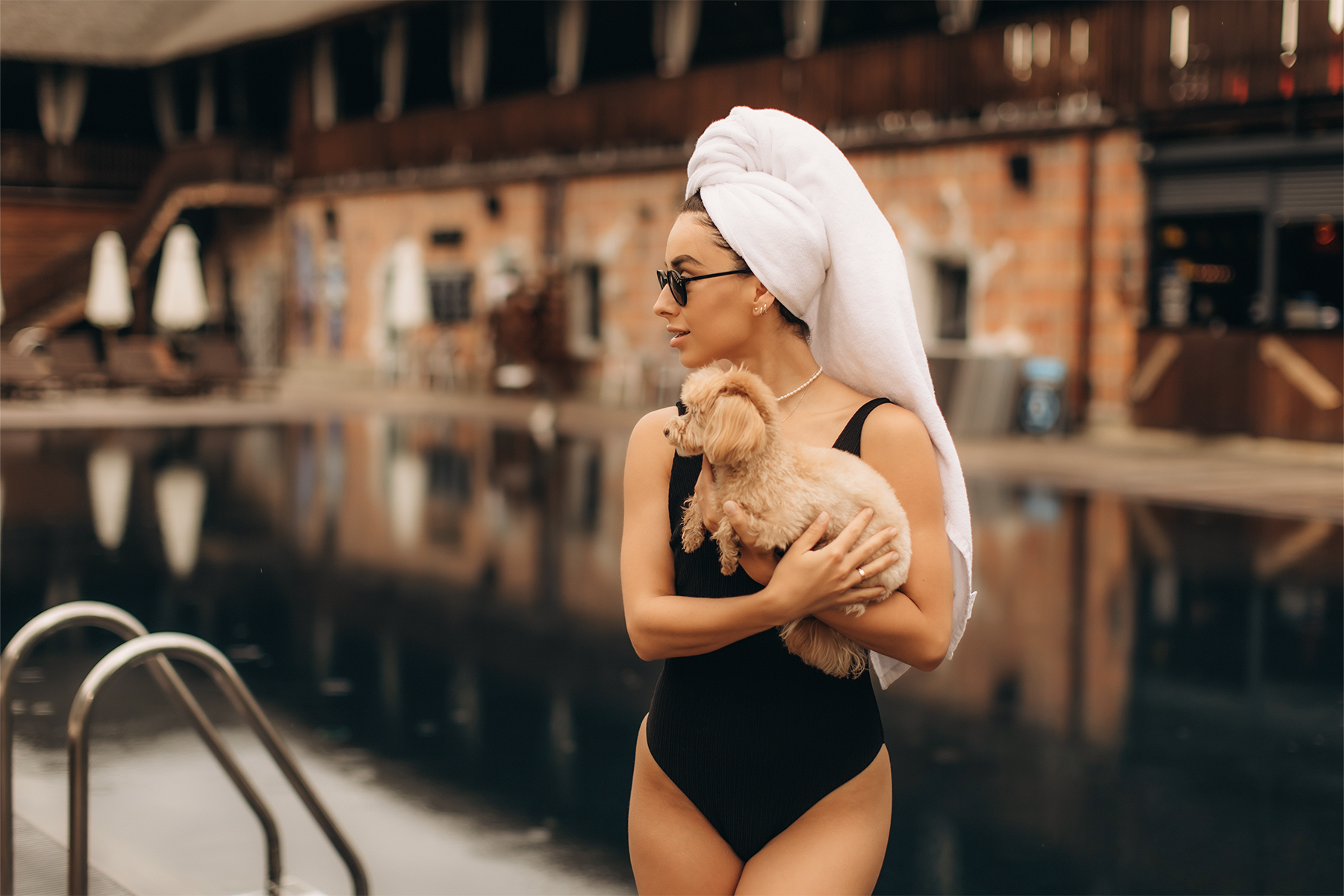
Travel, tailored for two.
#3 Micro-Trips and Weekend Getaways
Time has become the ultimate luxury, and travellers are using it more deliberately than ever. Rest no longer needs to wait for the annual summer break. More people are weaving shorter getaways into their year to step away, reset, and refocus.
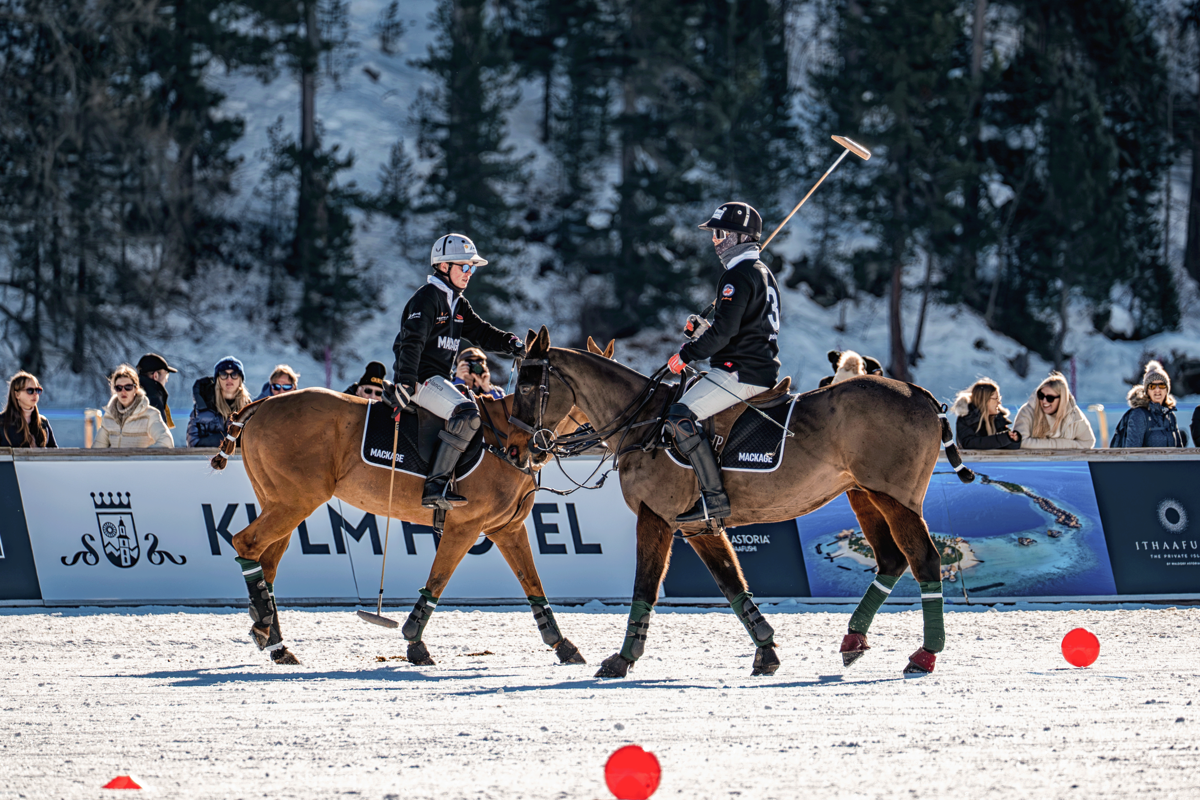
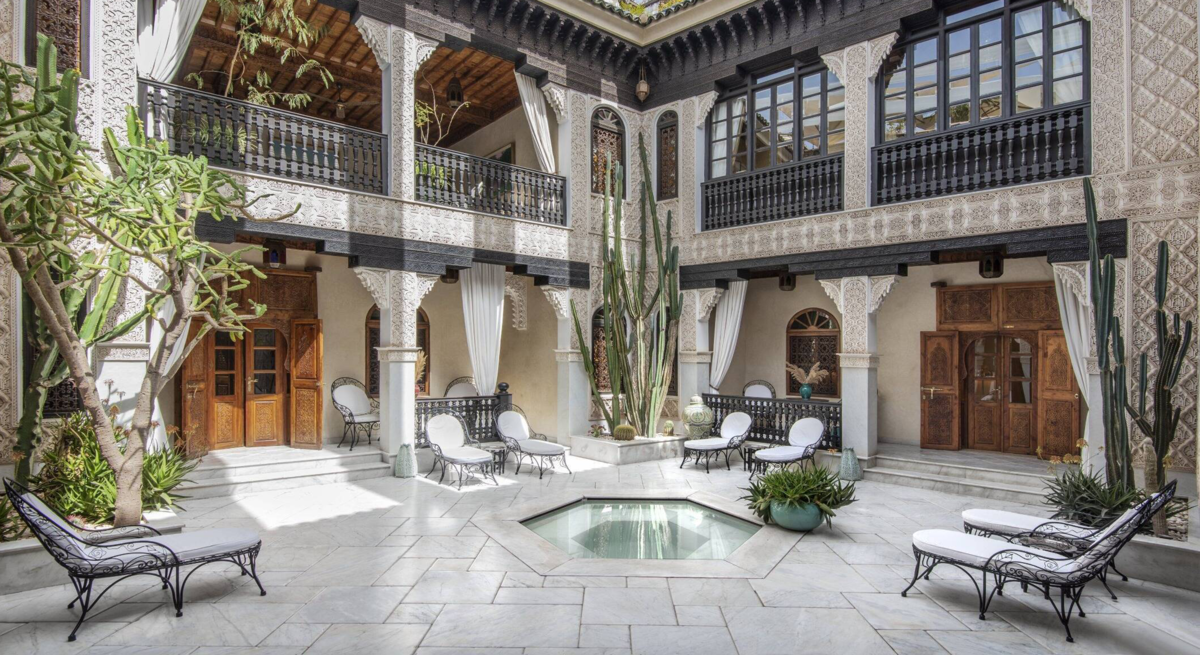
“We’re seeing members embrace shorter, more frequent escapes before burnout sets in,” says Grant Holmes, Vice President of Travel at ASMALLWORLD. “It could be a long weekend in the Lake District, a few nights tucked away in a Tuscan agriturismo, a spontaneous Friday in Marrakech, or even attending our ASW Winter Weekend in St. Moritz.”
This shift toward micro-trips reflects a broader commitment to balance and wellbeing. In 2026, the smartest travellers aren’t waiting for rest — they’re scheduling it.
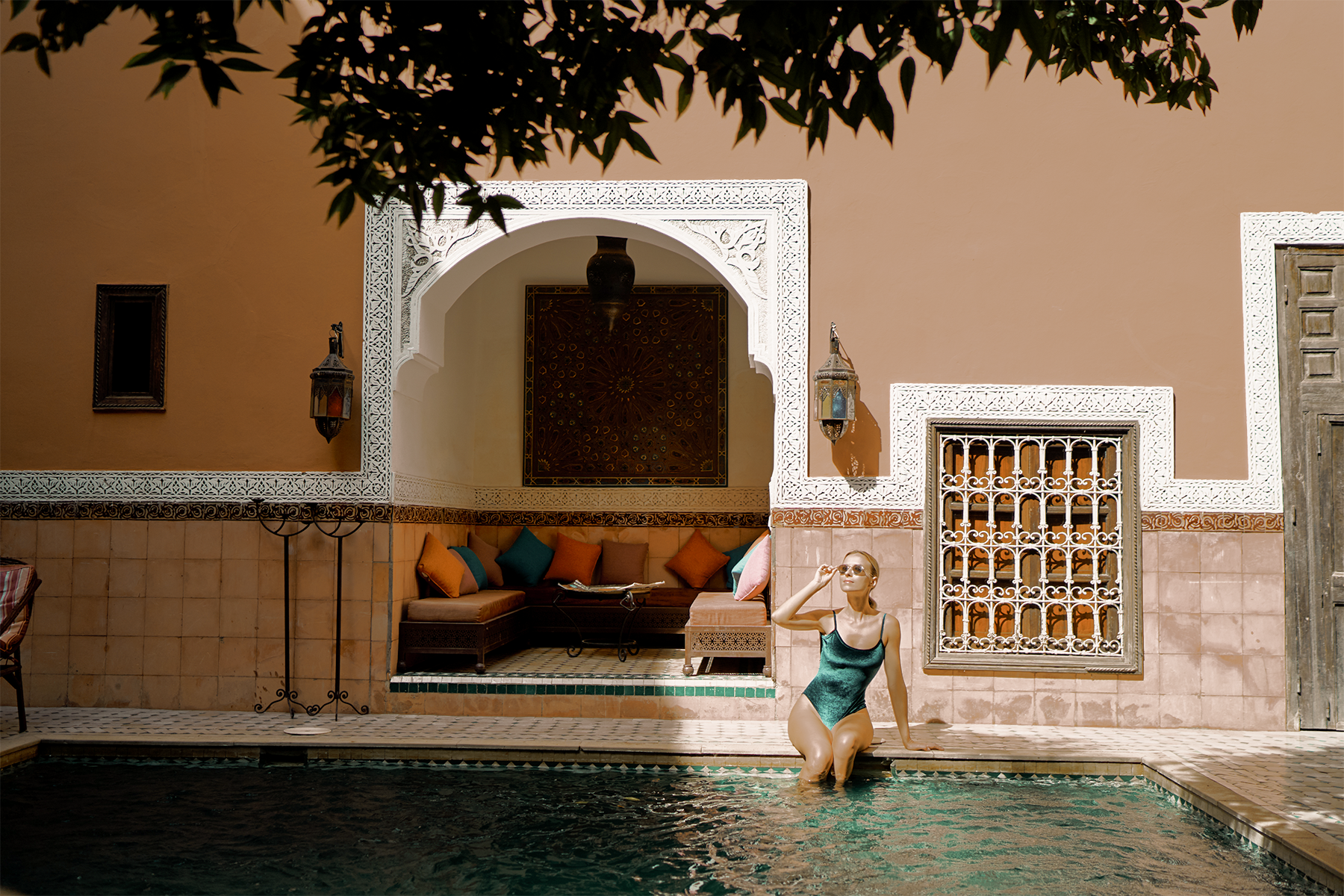
The art of escaping often.
#4 Accessibility-Friendly Travel
One in six people worldwide live with a significant disability, according to the World Health Organization, yet accessibility in luxury travel has long been overlooked. That’s finally starting to change.
Accessibility has become one of the fastest-growing priorities in global tourism. Over the past decade, demand for accessible holidays in the US has doubled, and UK searches for “wheelchair-accessible hotels” have reached record highs.
Travellers are no longer willing to compromise on comfort or experiences, and the industry is taking notice. High-end hotels such as Amilla Maldives are redefining what inclusive travel looks like. The resort provides accessible villas, wheelchair and beach access (including floating wheelchairs), deaf-alert systems, adaptive yoga, sensory experiences, and, importantly, partnerships with Dive Butler International — a team specially trained to deliver adaptive scuba diving for mobility-impaired guests.
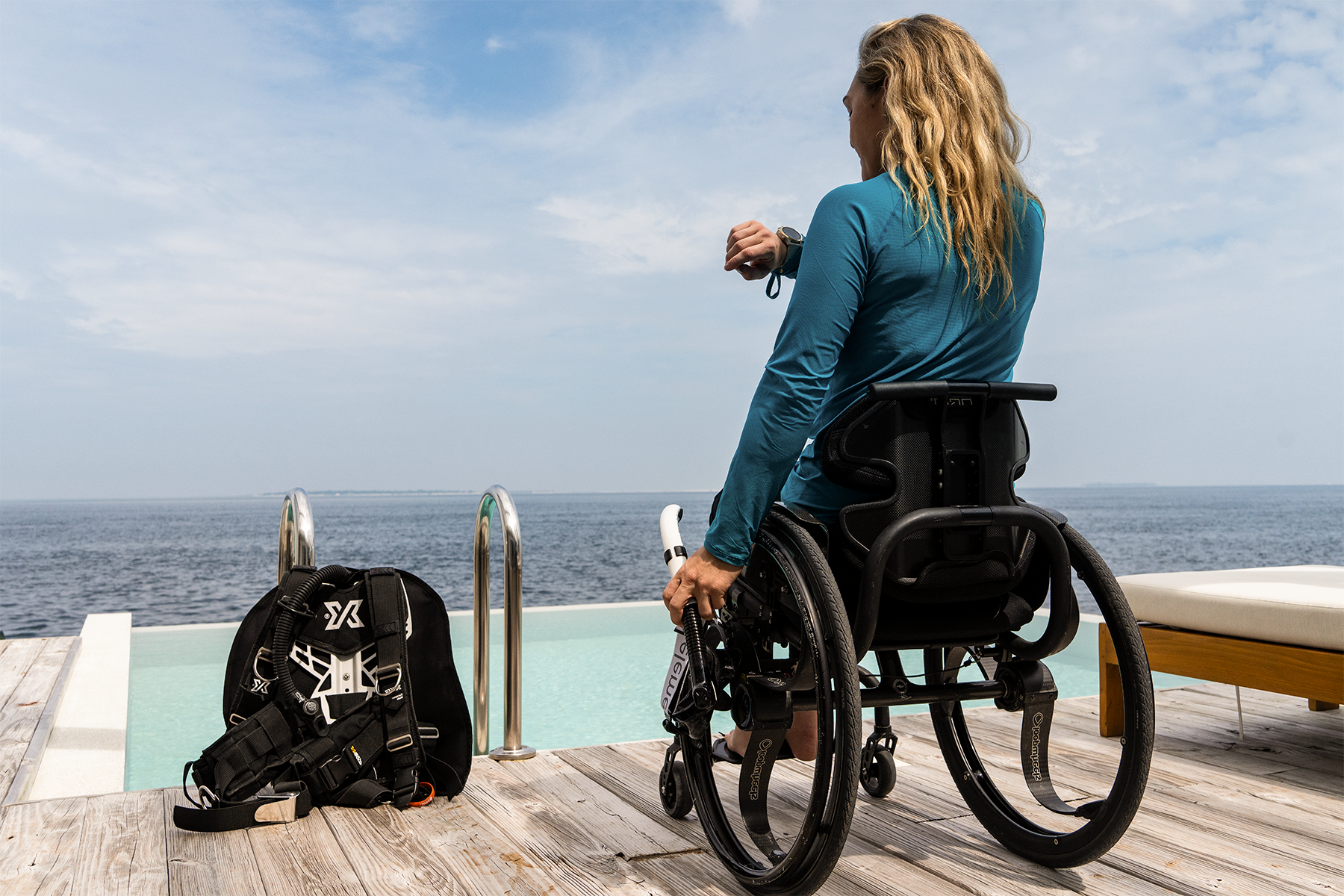
Freedom that welcomes everyone.
Image courtesy of Amilla Maldives
#5 Nocturnal Travel
The most beautiful moments don’t always happen in daylight. In 2026, luxury travellers are embracing darkness on holiday, and resorts are responding with immersive offerings that invite guests to slow down and reconnect with the night.
Bioluminescent plankton kayaking in Indonesia, paddling beneath Norway’s Midnight Sun, and stargazing across Namibia’s NamibRand Reserve are among the experiences redefining travel after dark.
But nocturnal travel isn’t just about activities. It’s about calming the senses: hotels dimming the lights, reducing noise, and crafting environments where darkness feels restorative rather than unsettling.
“It’s about acknowledging that we’re chronically overstimulated,” says Zain, “and that sometimes, the most luxurious thing you can offer someone is genuine quiet and a sky full of stars.”
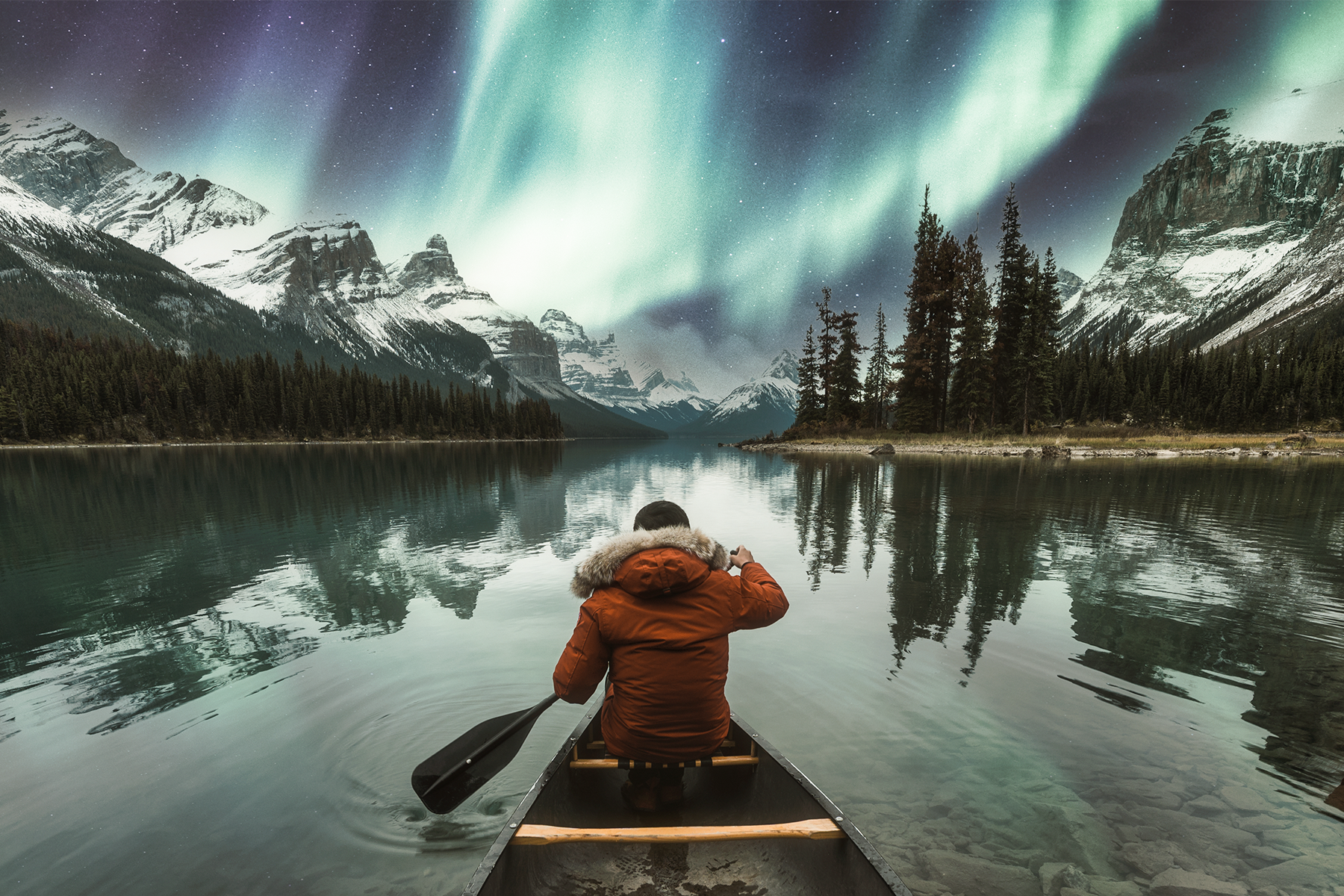
Where night reveals its beauty.
#6 The Shoulder Season Shift
Shoulder season travel is no longer a secret, and after dominating 2025, it shows no sign of slowing down in 2026.
“Our members aren’t booking shoulder season just for better value or to avoid the crowds anymore,” says Pippa. “They’ve realised that some destinations truly shine outside their typical peak months. Amsterdam in spring when the tulips bloom, or Bangkok just after the rainy season, when the city comes alive with festivals like Loy Krathong — these are experiences you simply can’t replicate in high season.”
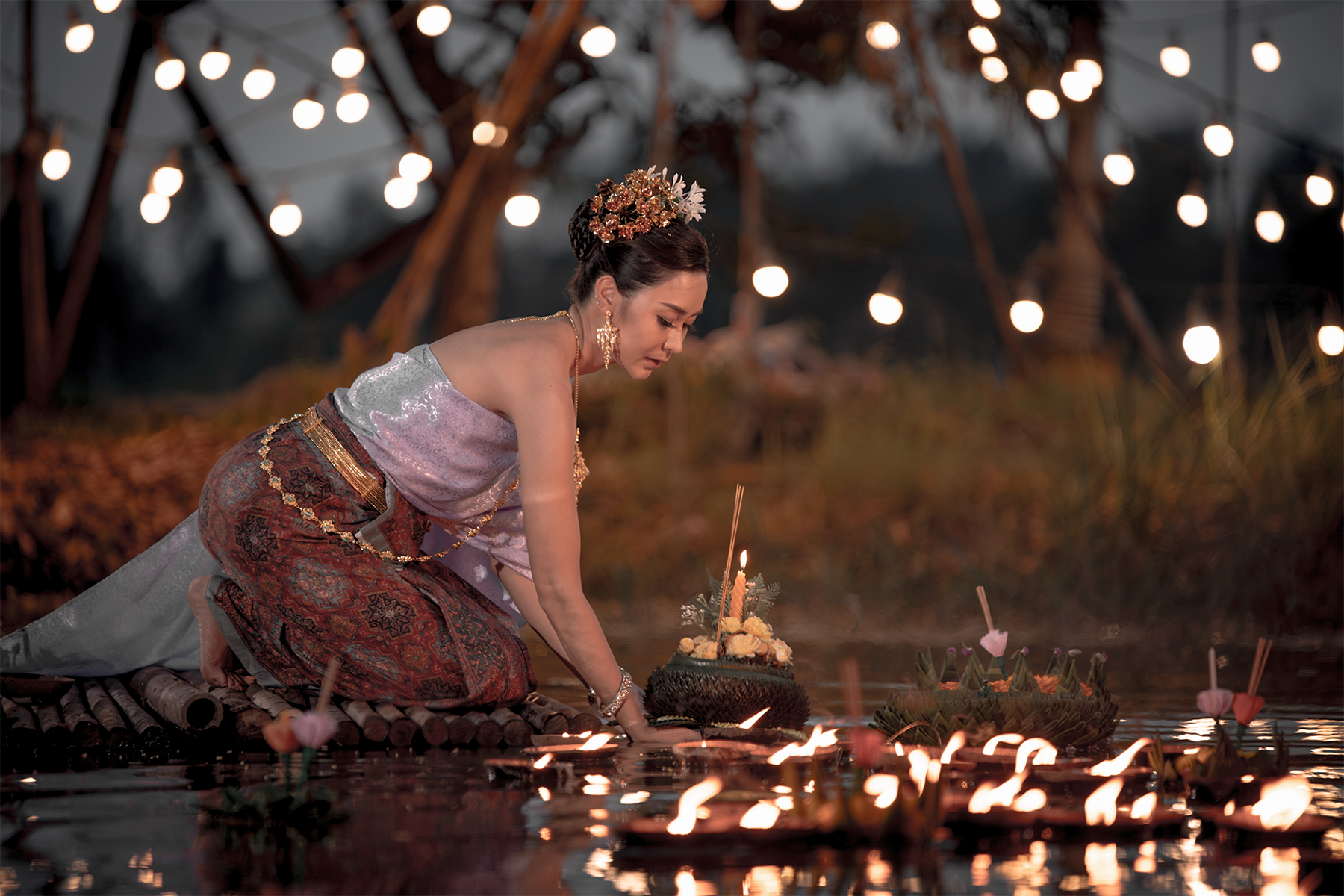
The magic of Loy Krathong between seasons.
#7 JOMO & Hurkle-Durkling
Not every trip needs a packed itinerary. In 2026, luxury travellers are embracing rest as the greatest indulgence: finding pleasure in JOMO, the Joy of Missing Out and embracing the Scottish concept of hurkle-durkling, which means lingering in bed long after the alarm has rung.
“We’re living in a world that’s always on,” says Grant. “So it’s no surprise that travellers now see rest as the rarest luxury of all.”
Around the world, hotels are crafting experiences designed for exactly that. Conrad Singapore Orchard transforms sleep into an art form with its calming Sleep-to-Wake Ritual; sound baths, herbal infusions, and pillow menus are all tailored for complete relaxation. Over in Cambridge, at the University Arms Hotel, guests can summon a personal ‘Book Butler’ delivering handpicked literary classics directly to their suite.
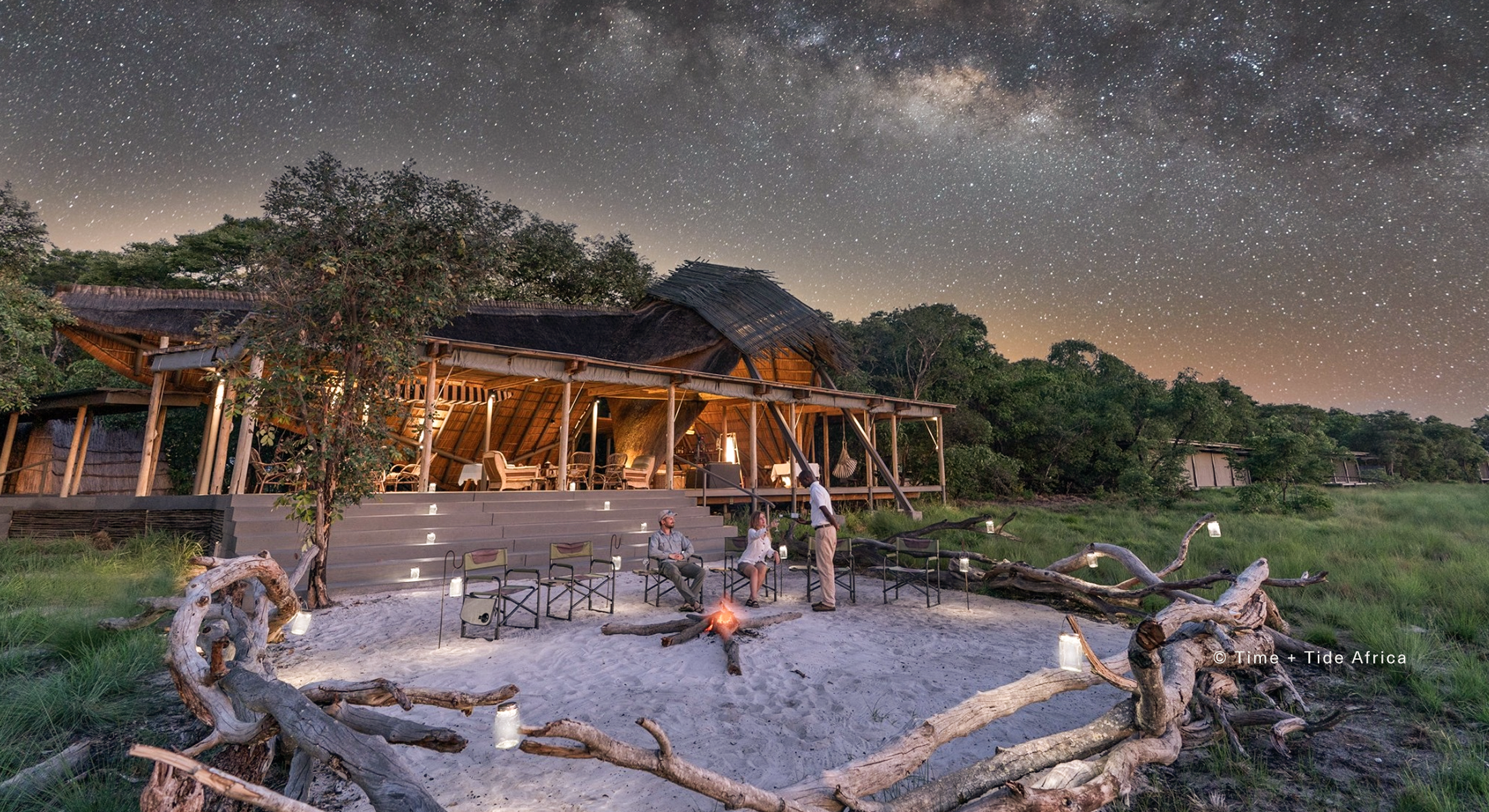
For those seeking serenity surrounded by nature, the Argos Hotel in Cappadocia invites guests to watch hot air balloons drift over the valley without leaving their bed, while Time + Tide in Zambia’s South Luangwa National Park brings the safari to you. Wake to the sound of bellowing hippos, sip coffee as elephants wade through the Luangwa River, and watch the wild unfold from the comfort of your suite.
As more travellers embrace this unhurried mindset, “doing nothing” is no longer a guilty pleasure but the height of modern luxury.
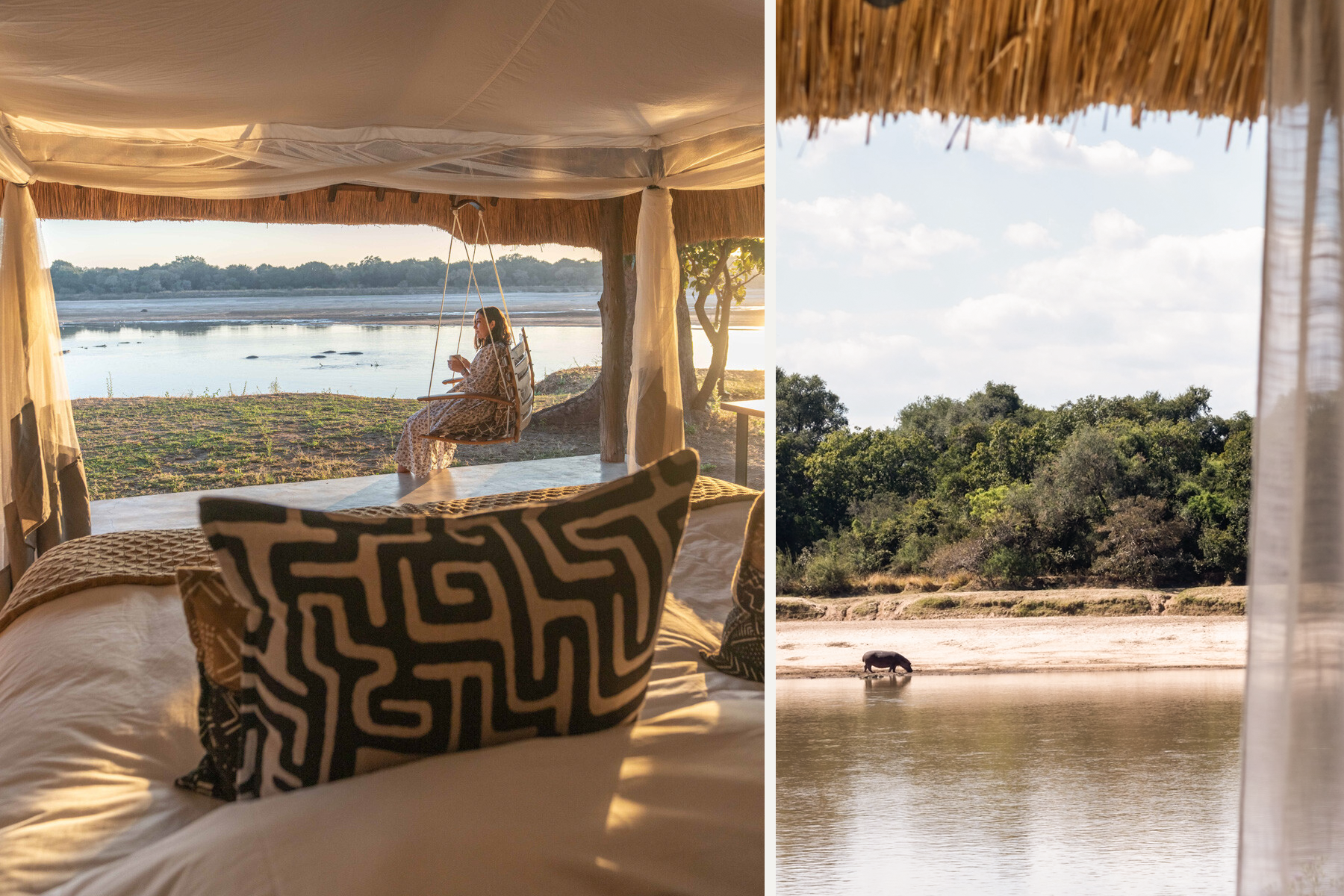
Fall asleep to nature’s soundtrack.
Image courtesy of Time + Tide Africa
#8 Root-to-Ritual Dining
Luxury travellers are stepping away from Michelin-starred anonymity and returning to something more grounded and personal. The growing movement of Root-to-Ritual Dining celebrates food as a cultural ritual and sees travellers booking entire trips around authentic, immersive food experiences that connect them directly to the land and the people who have cooked there for generations.
This new era of culinary travel is no longer about tasting menus. It’s about understanding where your food comes from, how it’s grown, and who has been passing down the recipes and farming techniques for decades, sometimes centuries. It becomes a way of understanding a place far more deeply than any fine dining meal could replicate.
And sustainability is at the heart of it all. Organic farming, ethical sourcing, and zero-waste practices form the foundation of these experiences. When your meal is picked that morning and prepared, and served by the hands that grew it, sustainability stops being a concept and becomes a lived reality.
At Blackberry Farm in Tennessee’s Great Smoky Mountains, guests forage through misty woodlands for truffles before sampling hand-crafted cheeses from the on-site sheep dairy. Meanwhile, in Kenya’s Lengishu House, set within the 32,000-acre Borana Conservancy, guests feast on organic, farm-to-table dishes made with produce grown in the estate’s own gardens and tended by a dedicated team of chefs and gardeners.
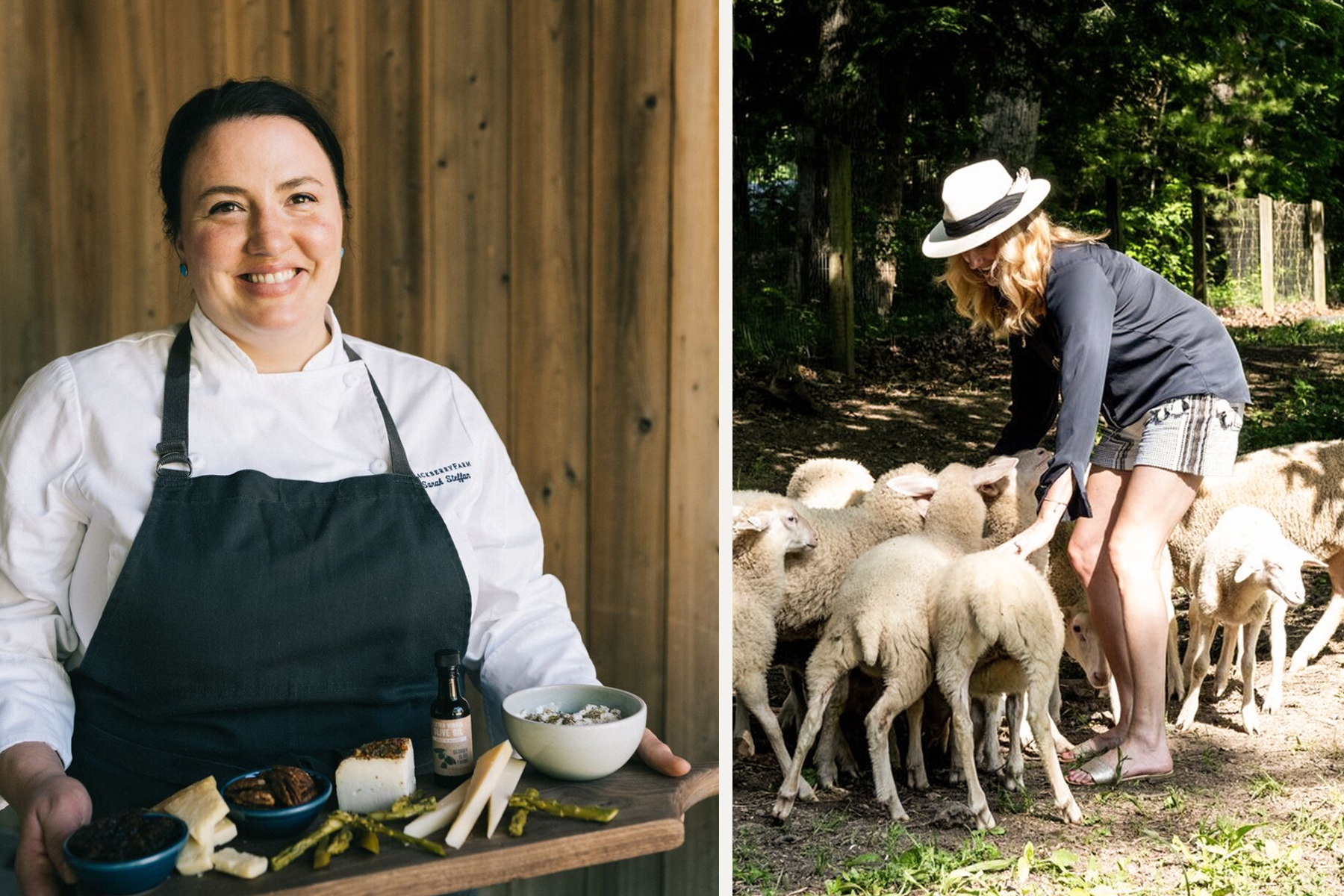
Where hand-crafted cheese begins with a morning among the sheep.
Image courtesy of Blackberry Farm
#9 Hands-Off Exclusivity
At the very top end of travel, privacy and perfection are a given. Think private islands, safari reserves where you’re the only guests across 50,000 acres, and villas with staff ratios that would make a five-star hotel blush.
But in 2026, exclusivity is no longer just about privacy and seclusion; it’s about ease. Travellers are turning to trusted travel designers not only for access, but to remove the mental load of decision-making. Every element, from curated itineraries to packing lists, is planned in advance, allowing them to simply show up and enjoy the experience.
“The client makes a few high-level decisions,” says Pippa, “and the travel designer handles the rest.”
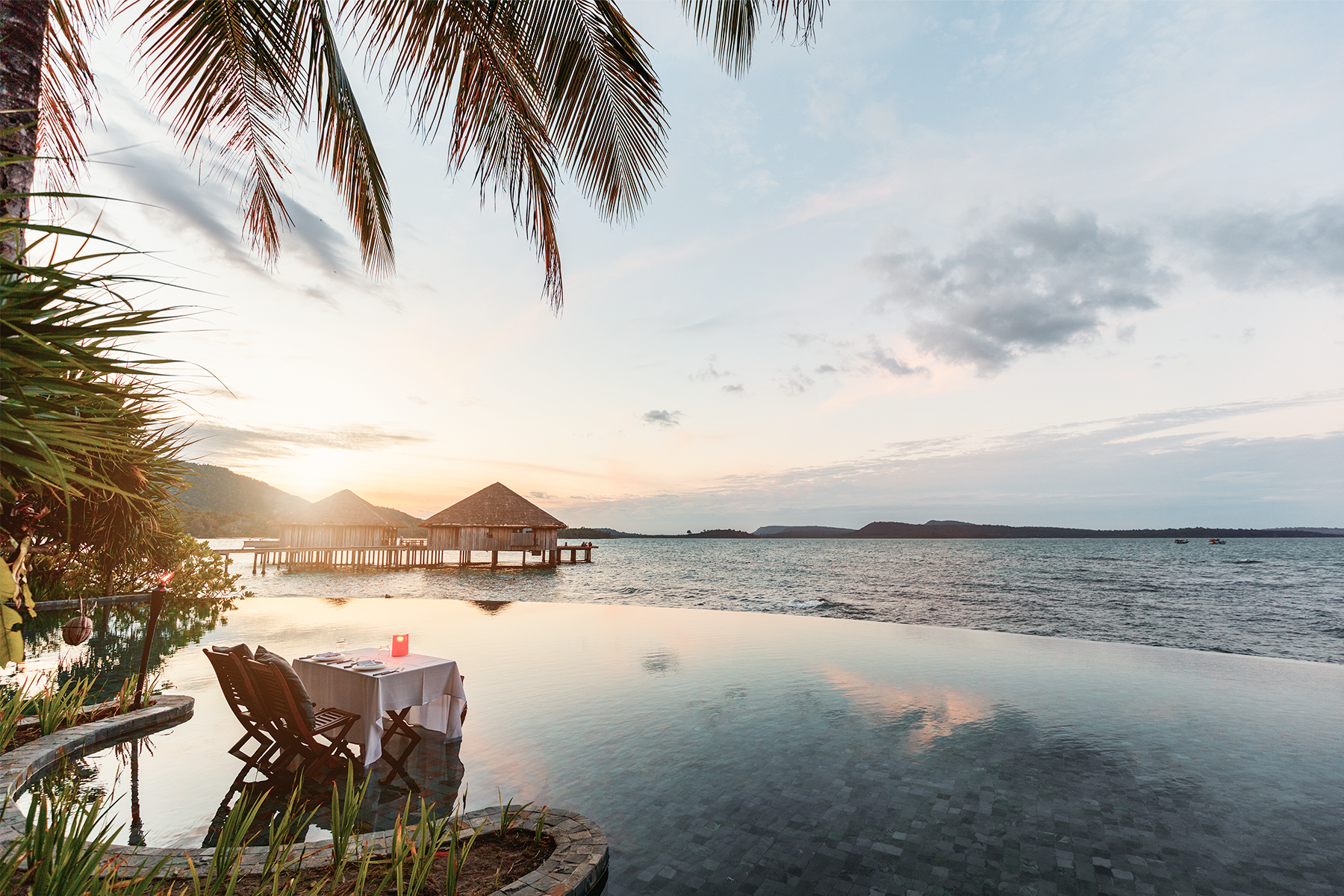
All you have to do is show up.
#10 The Solo Shift
Solo travel has been on the rise for years, but 2026 marks the year the industry truly catches up. Luxury hotels, like Amankora, are leading the way with solo-focused, multi-day adventures in Bhutan, while others follow suit with experiences crafted for independence and comfort in equal measure.
Yet being a solo traveller doesn’t always mean wanting solitude. “We’ve seen more members using our platform to meet like-minded individuals while travelling, turning what used to be solitary moments into opportunities for friendship and shared discovery,” says Zain.
A standout demographic in this shift is women over 45, who now make up more than 80% of solo female travellers. Many are embracing independence and seeking experiences that combine safety with self-discovery. This growing demand has led ASMALLWORLD to partner with The Solo Cruise Company, a new travel concept designed exclusively for women aged 55 and above. With no or low single supplements, thoughtfully curated group activities, and carefully vetted accommodations, each voyage is designed with safety, comfort, and community at its core.
"It's incredibly rewarding to play a small part in women embarking on the solo adventures they have been longing to do but have been hesitant to pursue alone,” says Grant.
“Our mission is to assist women in fulfilling these travel dreams, enabling them to check off destinations they’ve always wanted to visit, while also forming meaningful connections with other remarkable ladies with whom they can share the journey of self-discovery and exploration."

Travel on your own terms.
The way we travel in 2026 is shifting to something calmer, more conscious, and more connected. It’s the natural next step for discerning travellers seeking deeper meaning, chasing not just new places but new perspectives. As these luxury travel trends for 2026 unfold, it’s clear that the future of travel isn’t about seeing more, it’s about feeling more.
Become a member to join the conversation!
Become part of the world's leading travel & lifestyle community!







Comments