×

Off the Beaten Track: Bhutan

Off the Beaten Track: Bhutan

Bhutan does not reveal itself all at once. The world’s last Buddhist kingdom unfolds slowly, like mist lifting from one of its deep valleys at dawn. A once-in-a-lifetime destination, it’s where snow-dusted peaks give way to forested hills and cliffside sacred sites seem to be suspended between earth and air. Yet there’s much more to explore beyond the iconic Tiger’s Nest (Paro Taktsang) monastery, as curious travellers discover when they step off the beaten path.

Hike to a Hidden Temple in Punakha Valley

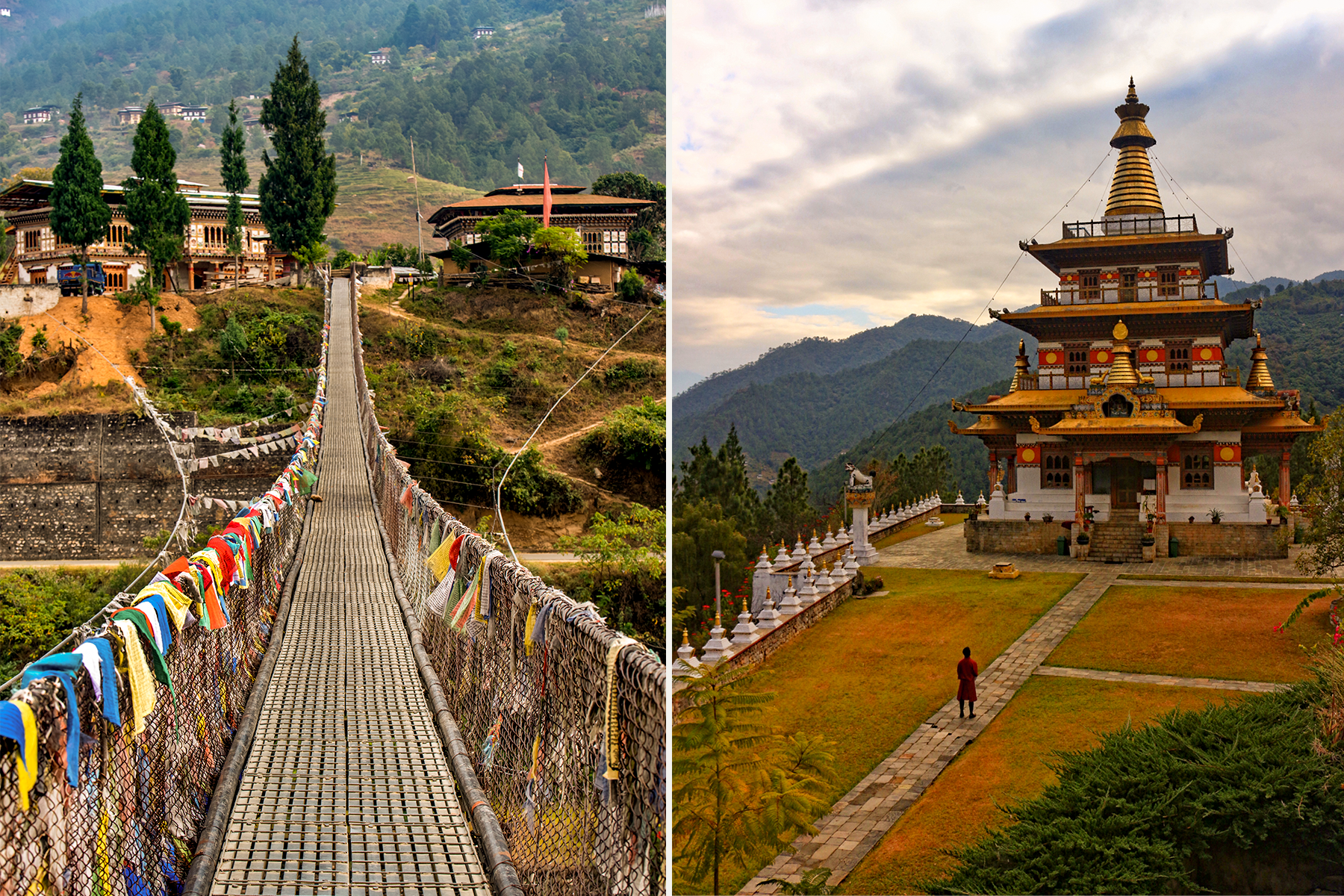
To visit a sacred site in near solitude, head to Punakha Valley. The journey is part of the magic as a narrow trail winds through rice paddies, crosses a swaying suspension bridge and climbs steadily to Khamsum Yulley Namgyal Chorten. Like a secret that’s just waiting to be found, this four-storey spiritual monument is filled with intricate murals and symbolic carvings that communicate Buddhist teachings. Step outside to take in the incredible views, accompanied only by the sound of birdsong and prayer flags fluttering in the breeze.

LEFT: The Punakha Suspension Bridge | RIGHT: The magical Khamsum Yulley Namgyel Chorten in Bhutan

Meditate with Monks at Tango Monastery

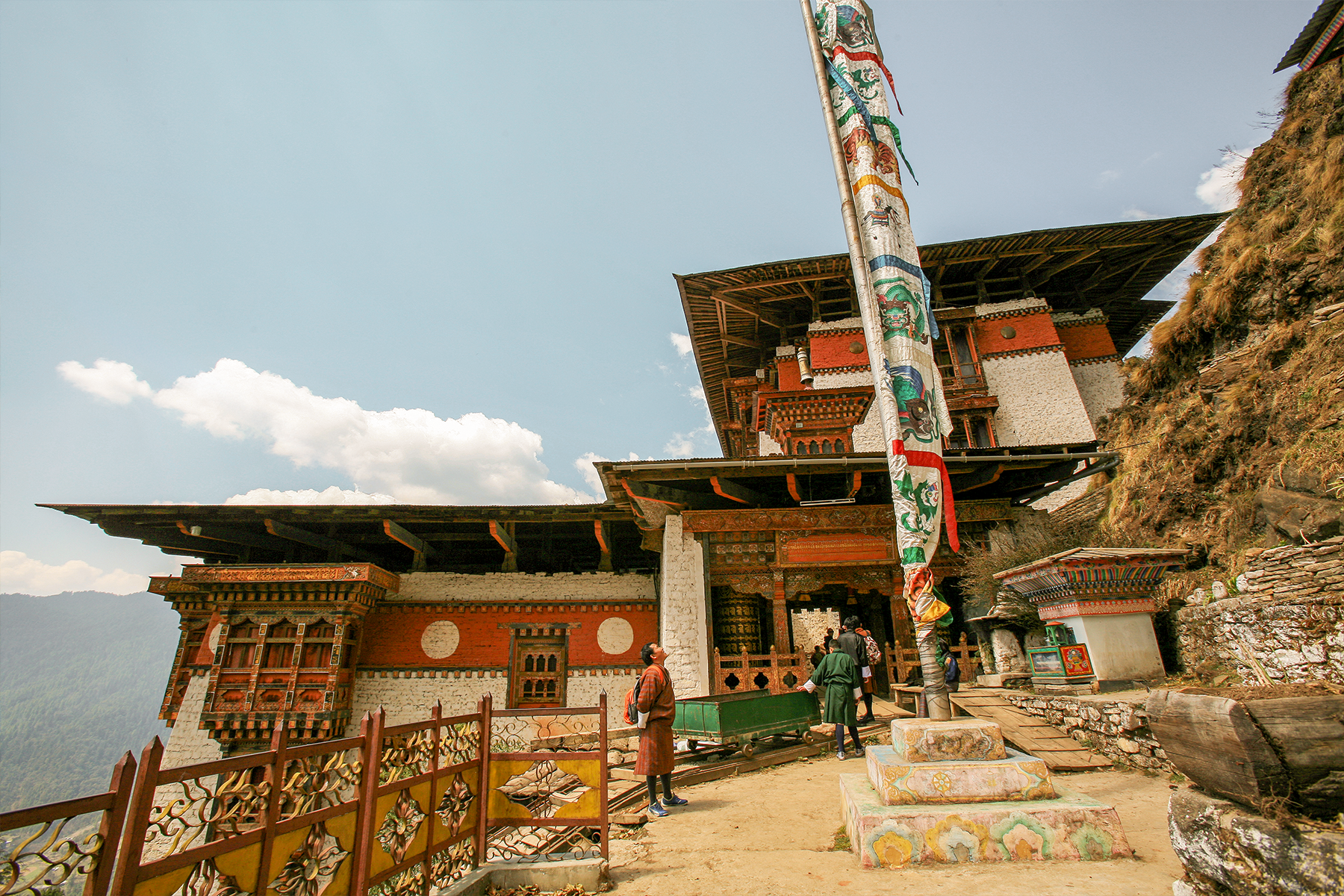
Just 15km north of the capital city of Thimphu, a forested trail climbs steadily towards Tango Monastery, which feels far removed from the rhythms of day-to-day life. Sitting around 2,500 metres above sea level, the crisp mountain air might literally take your breath away, but there’s time to rest and reflect at this Buddhist learning centre, where it’s possible to see monks moving between prayer halls, as their studies and rituals unfold with quiet discipline.

Ancient Tango Monastery in Bhutan

Spot Black-Neck Cranes in Phobjikha Valley

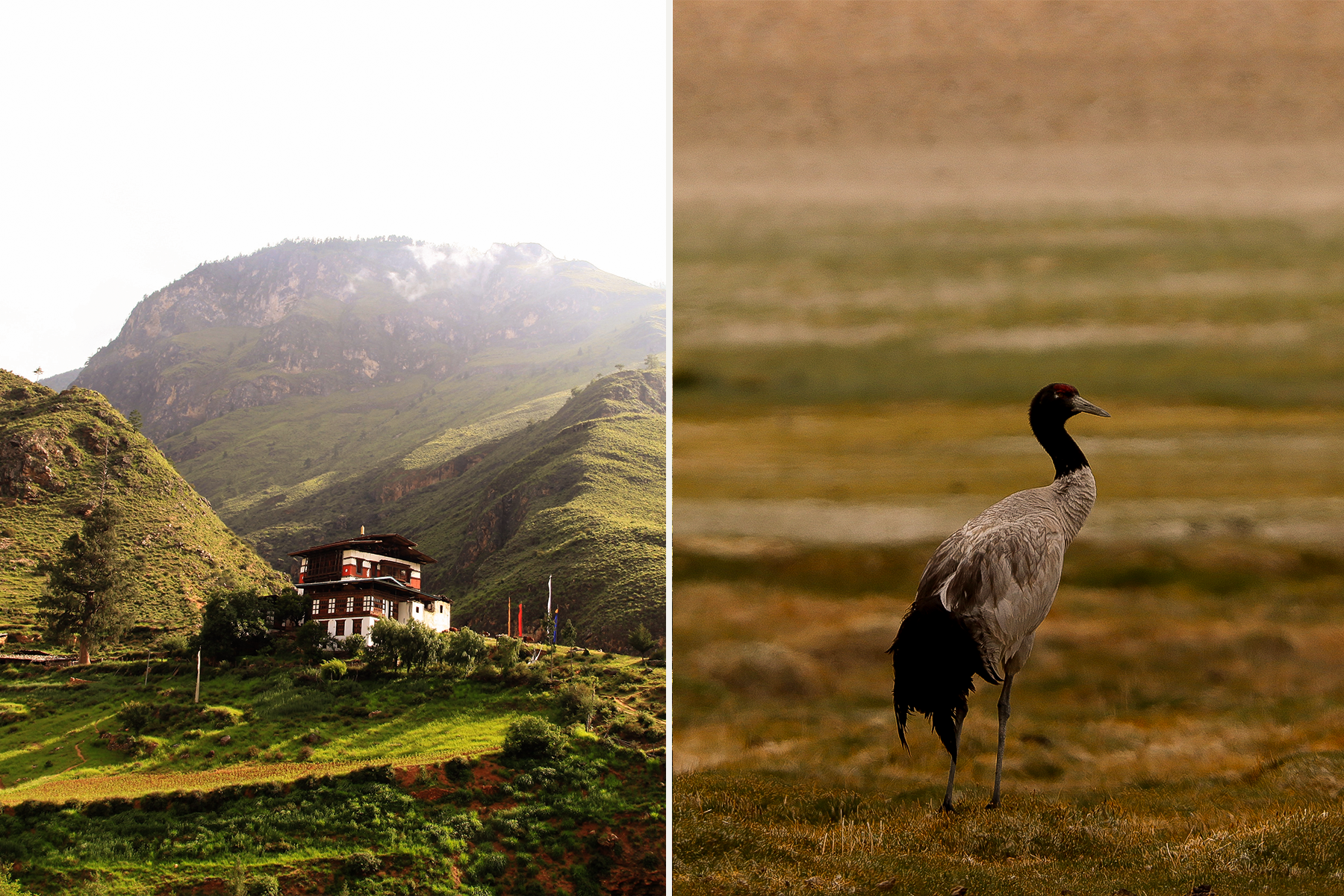
The Phobjikha Valley is one of Bhutan’s most atmospheric landscapes – a glacial expanse that, from November to February, becomes the seasonal home of black-necked cranes. Their arrival is met with a quiet sense of reverence, but there are plenty of natural wonders to witness beyond the winter months. Wooden walking trails thread through the valley’s wetlands and bamboo groves, passing grazing yaks and small villages where time-old agricultural traditions continue to be observed.

LEFT: Rural life unfolds in the serene Phobjikha Valley | RIGHT: The valley's iconic black-necked crane

Embark on a Dramatic Drive over the Chelela Pass

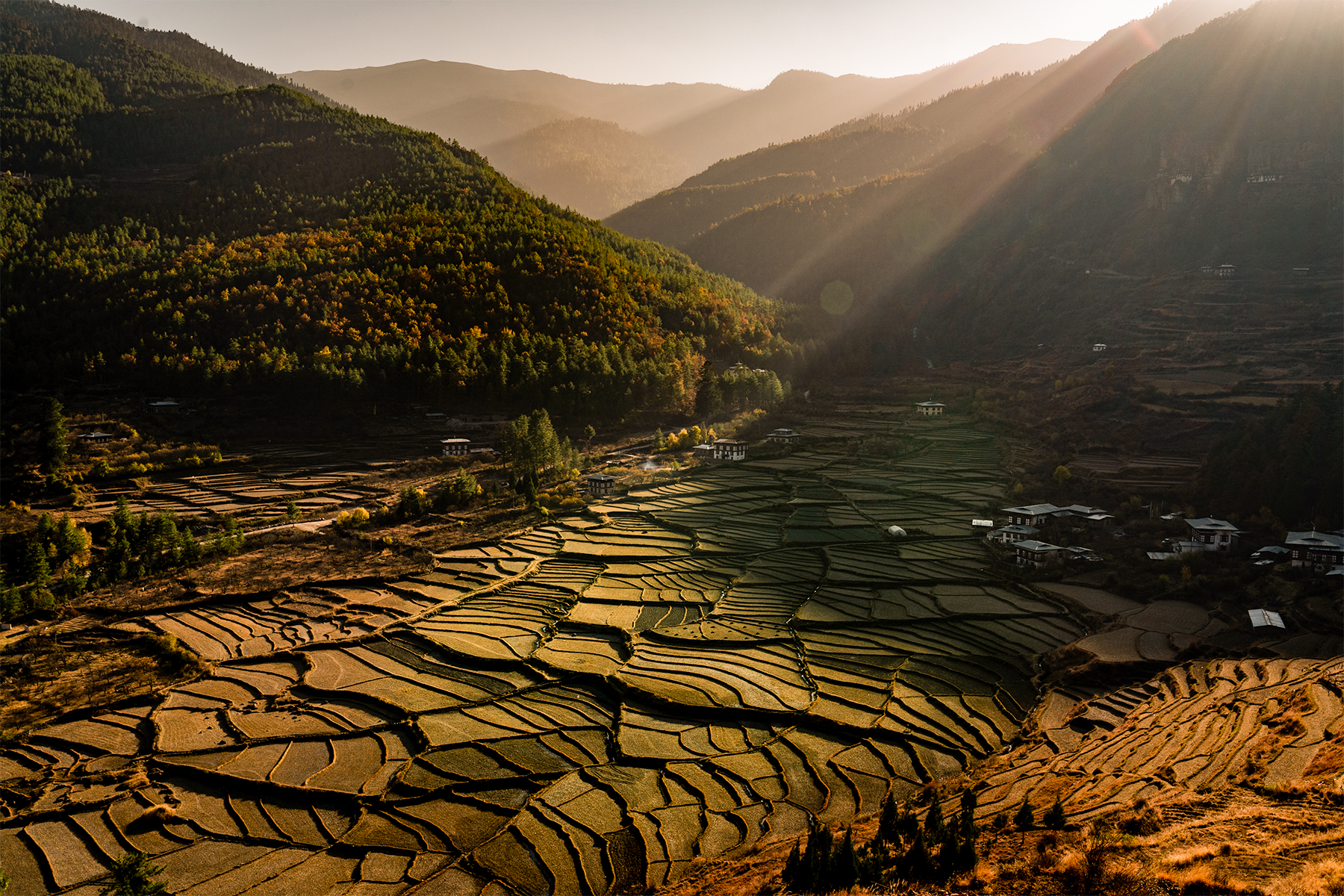
Few travellers venture into the Haa Valley, making it one of Bhutan’s most rewarding detours. The route begins with a dramatic ascent over the Chelela Pass – the highest drivable road in the country – from which, on a clear day, it’s possible to spot the Tibetan plateau on the horizon. Descending from the pass, the Haa Valley reveals itself – framed by peaks and dotted with villages and temples.

Rice terraces in Haa Valley

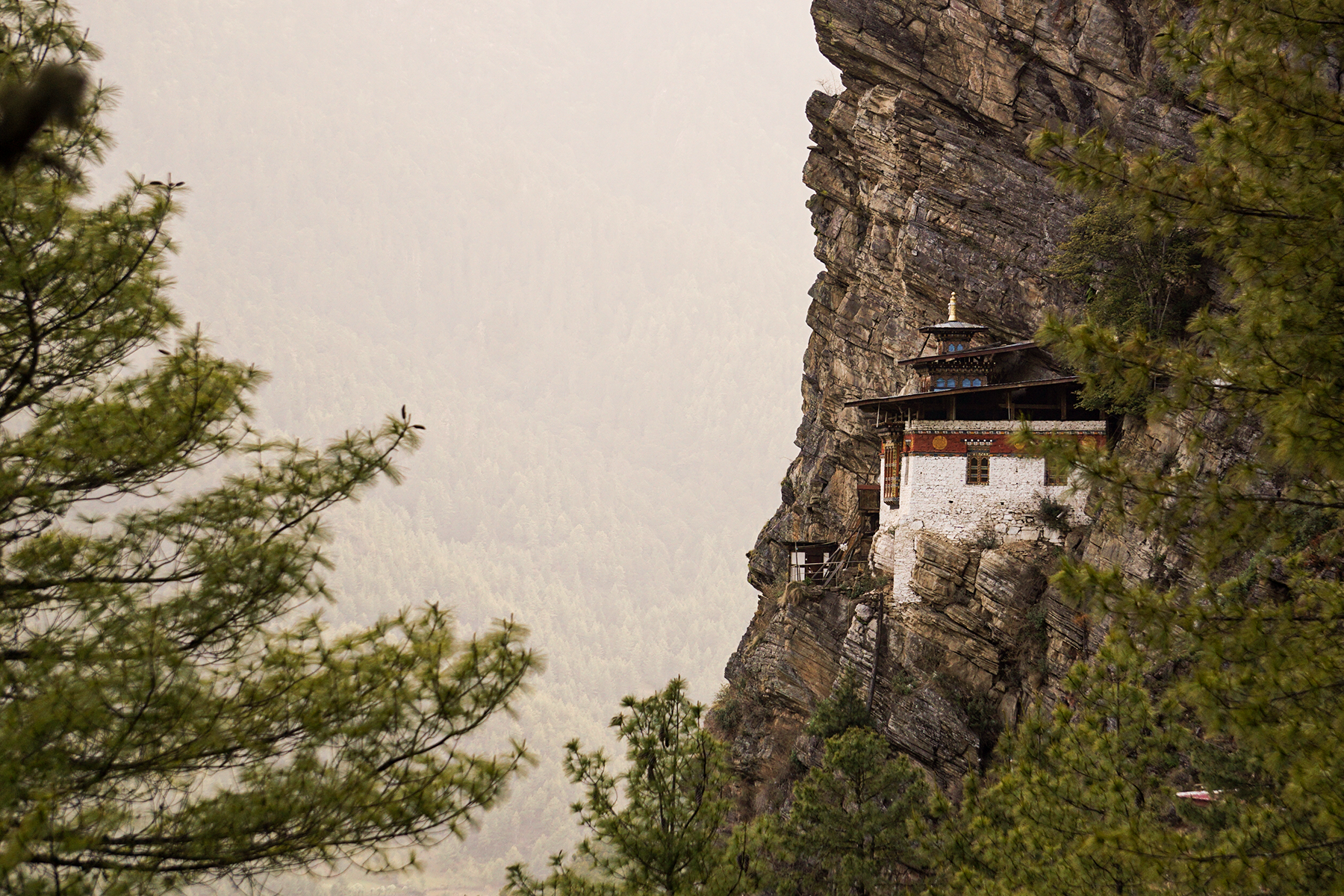
Among them is Lhakhang Karpo, a 7th-century monastery that offers a glimpse into Bhutan’s deeply rooted spiritual heritage. Venture further, and the journey continues to zigzag towards Jungney Drag, a gravity-defying monastery built into a sheer cliff face. Unlike the more-often visited Tiger’s Nest, there are no queues or crowded viewpoints here – just you and the sheer drama of your surroundings.

Jungney Drag in Haa Valley

Cook Over Fire in a Traditional Farmhouse

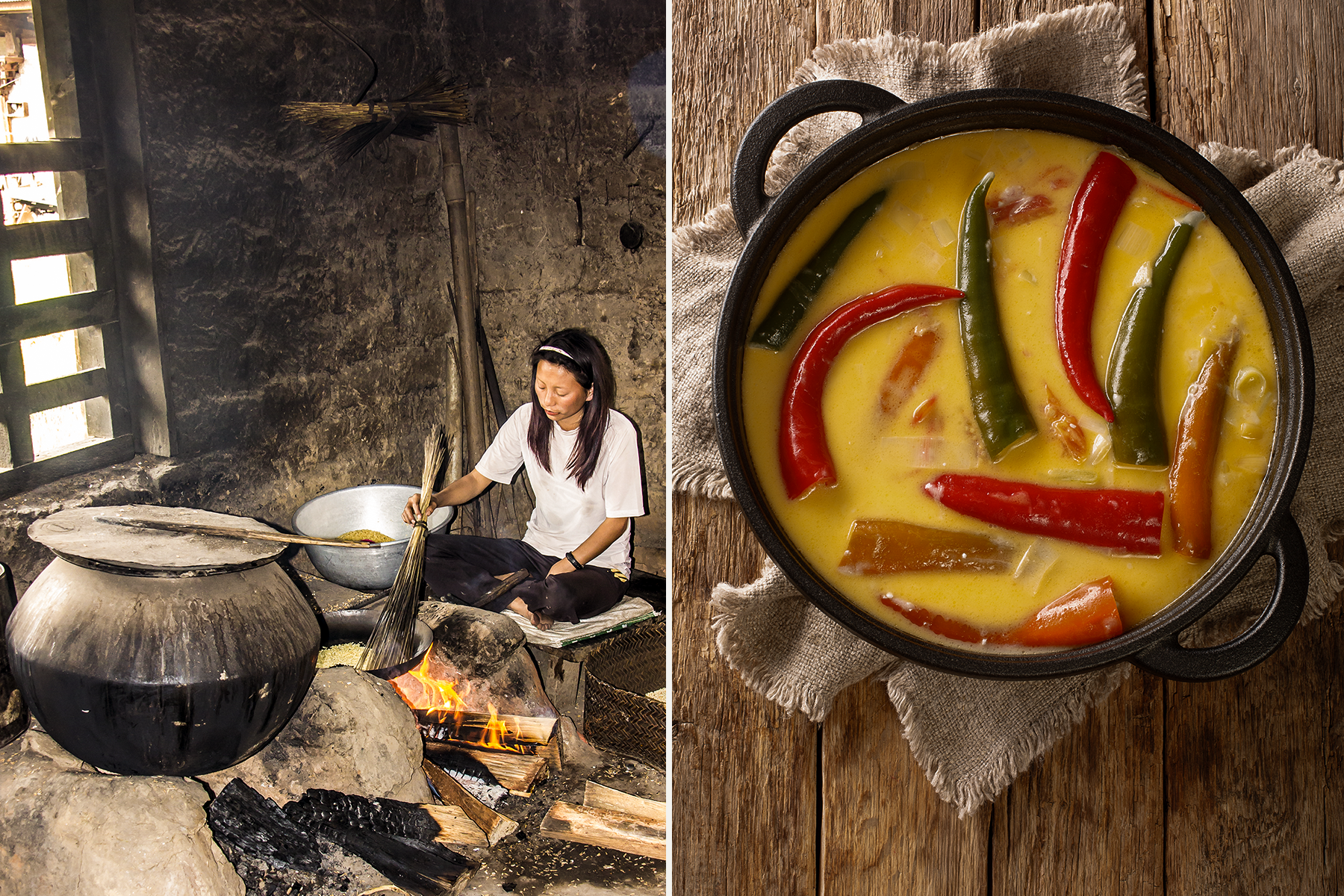
Get a delicious insight into Bhutan’s rich culinary tradition with a homestay or a visit to one of the many rural farmhouses that welcome guests from around the world. Seated beside a wood-burning stove, see ema datshi – the popular dish of chillies and cheese – being prepared using ingredients sourced just steps away. Far from its fiery reputation, Bhutanese food is nuanced and balanced, built on high-altitude crops, nutty grains and rich dairy traditions. Hands-on cookery sessions end with a shared meal – perhaps buckwheat pancakes or a freshly prepared stew.

LEFT: A traditional Bhutanese farmhouse kitchen | RIGHT: Freshly prepared ema datshi

Where to Stay

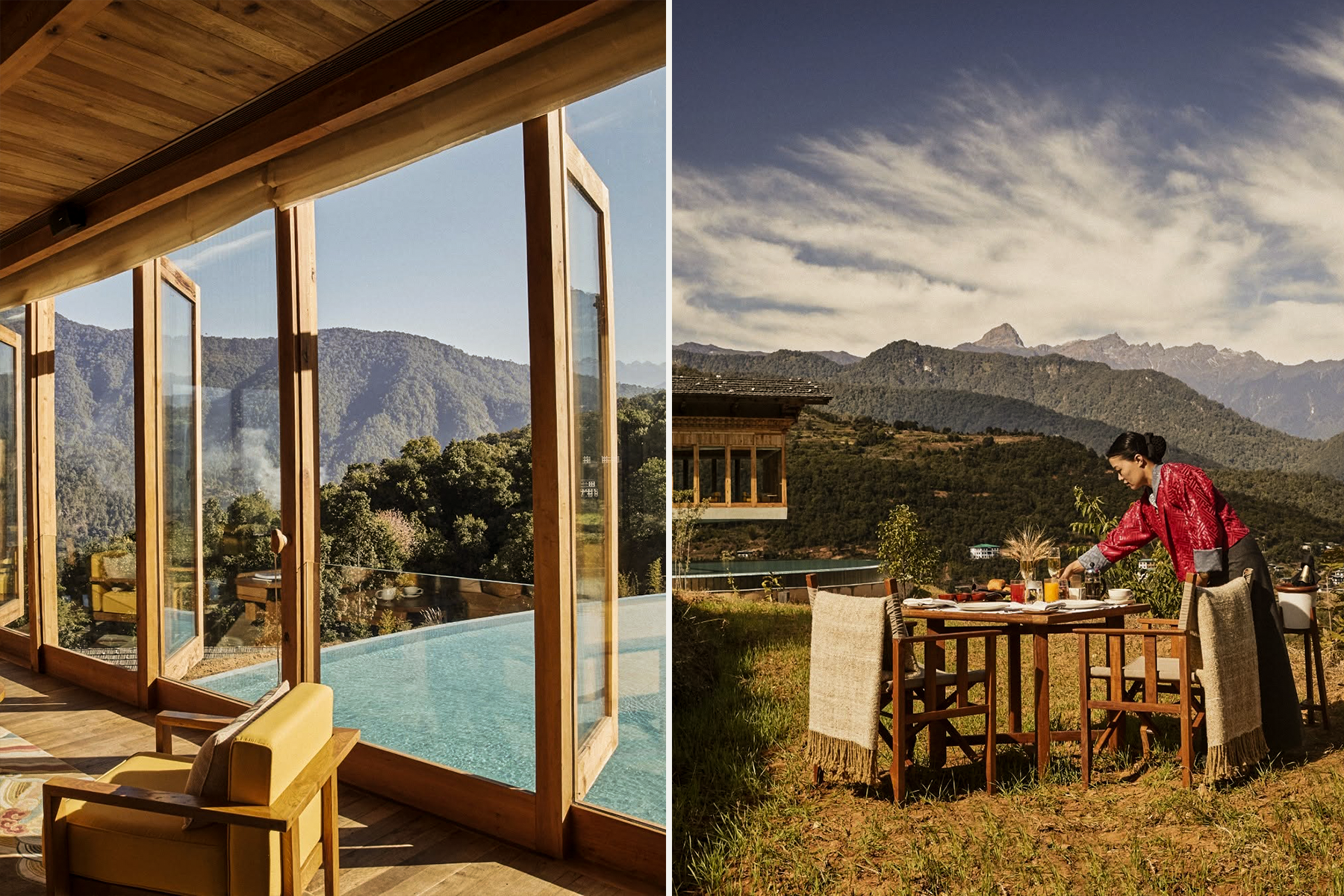
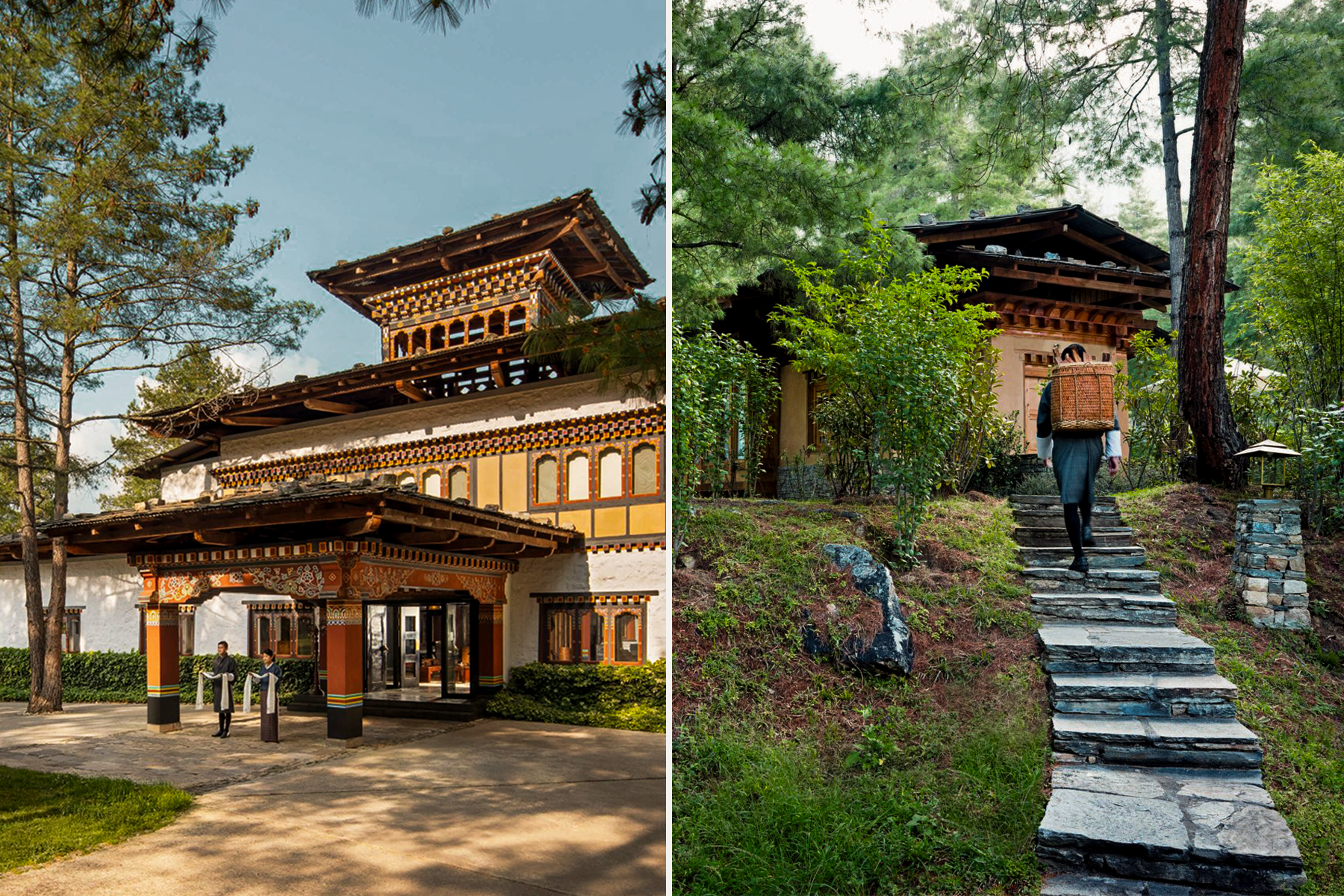
In Bhutan, where you stay is inseparable from how you experience its landscape and nowhere is this more true than at Six Senses Bhutan, which is a collection of five lodges, each designed to highlight a different aspect of the kingdom. In Thimphu, accommodation sits high above the valley but is close enough to take in the capital’s cultural attractions.

Image courtesy of Six Senses Bhutan, Thimphu Lodge

Punakha’s warmer climate lends itself to a slower pace that’s ideal for yoga, meditation and riverside exploration. Paro’s lodge blends heritage architecture with modern design and is within walking distance of ancient monasteries. Further afield, Gangtey offers a gateway to guided walks in the tranquil Phobjikha Valley, while Bumthang’s atmospheric lodge feels like a hidden world set within a forest.

Images courtesy of Six Senses Bhutan, Paro Lodge

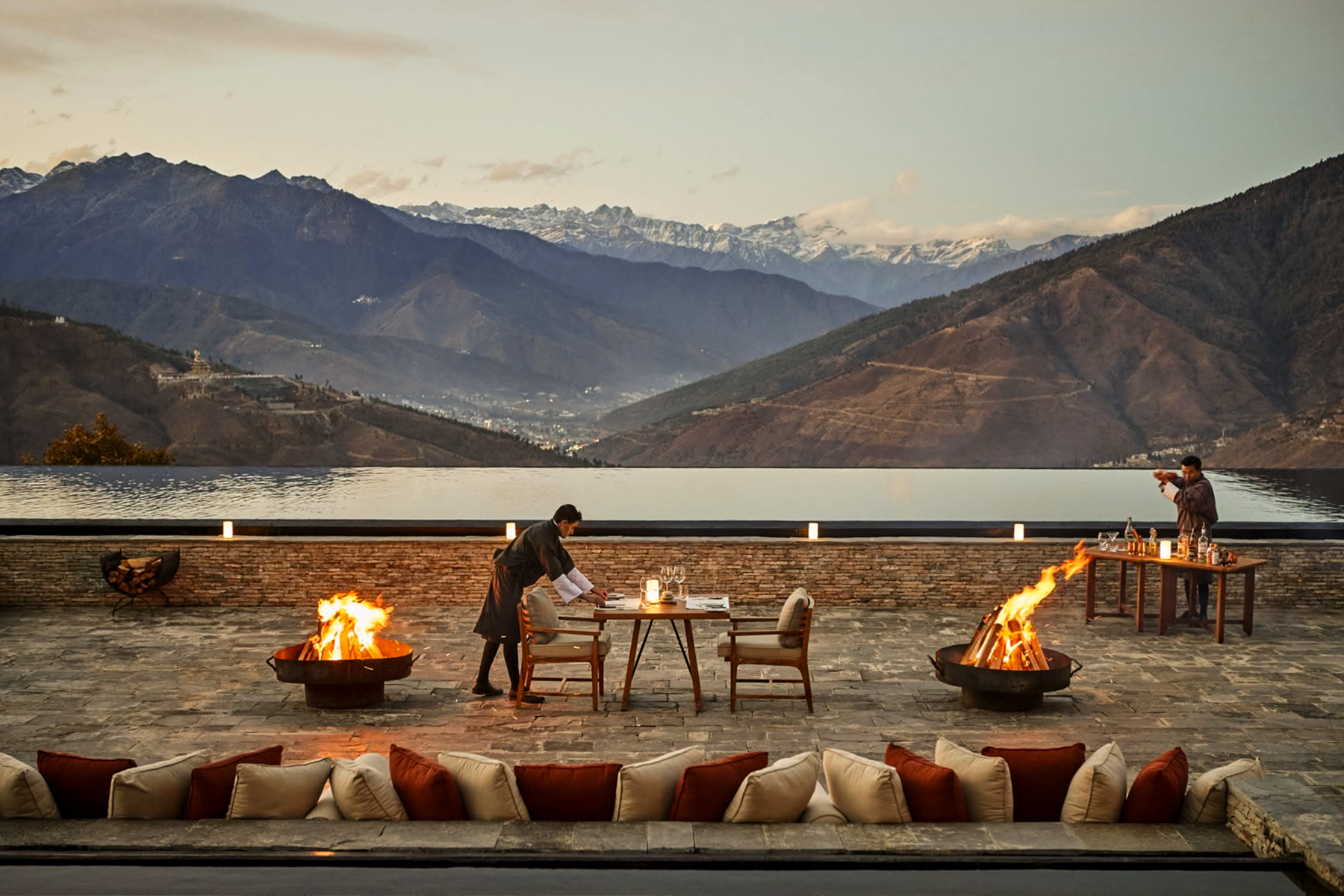
While at COMO Uma Paro, about an hour and a half west of Thimphu, local ingredients are elevated at Bukhari, the resort’s signature restaurant, where guests can feast on a multi-course Bhutanese-inspired menu. Set within a serene 37-acre estate, the resort’s gardens supply much of what appears on each plate, while collaborations with nearby farmers ensure every dish feels rooted in a sense of place.

Images courtesy of COMO Uma Paro

From hidden monasteries to intimate farmhouse experiences, ASMALLWORLD Bespoke Travel can curate a personalised Bhutan itinerary that goes far beyond the expected.

Become a member to join the conversation!

Become part of the world's leading travel & lifestyle community!

Related editorials

Where to Travel This Easter

Tradition in five remarkable settings

April’s Art: Spring Renewals

From Cartier to Constable, explore a month of art

ASMALLWORLD Monthly Happenings in June

Exclusive events to attend this summer