×

Root-to-ritual dining: Redefining how we eat

Root-to-ritual dining: Redefining how we eat

Some of today’s most compelling dining experiences prioritise ingredients and culinary tradition over prestige and presentation. This shift is reflected in the rise of the root-to-ritual movement – one of the trends reshaping luxury travel in 2026. As spring unfolds and nature reawakens, the philosophy feels especially timely, echoing a growing desire to slow down, eat seasonally and reconnect with food at its source.

Seasonal ingredients and a sense of place

With a focus on seasonality, ingredients are grown within a few miles, even a few metres, of the table.

De Kas, a pioneer of this hyper-local approach since 2001, cultivates hundreds of varieties of vegetables, herbs and fruits in its greenhouses and gardens, which diners can explore in Amsterdam. With the ethos ‘harvested in the morning, on your plate in the afternoon', each dish reflects what’s thriving at that exact moment, whether that’s white asparagus in April or stone fruits in September. 

Image courtesy of De Kas

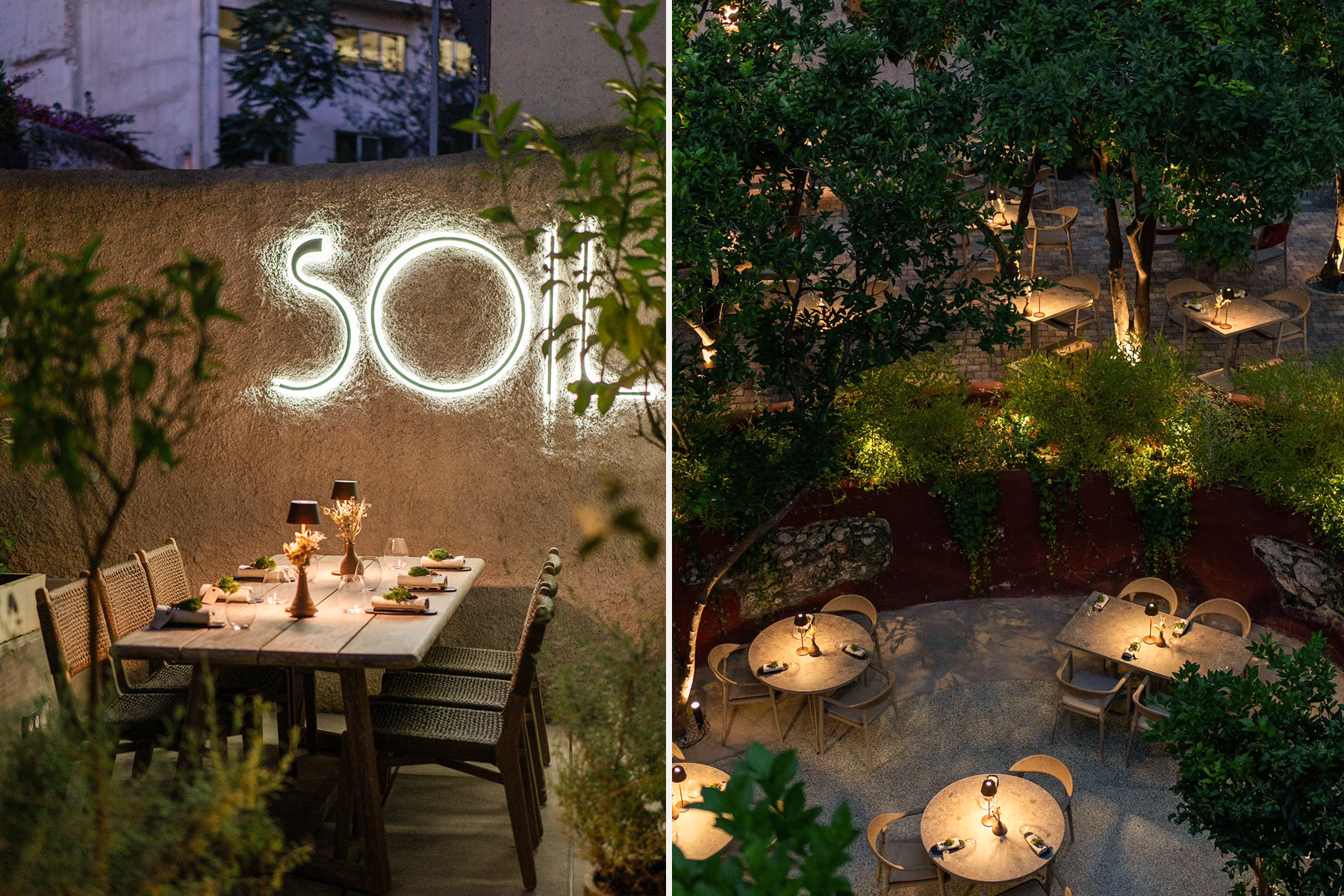
Similarly, over 300 vegetable varieties are grown on-site, alongside citrus groves and ethically raised livestock, at Villa Aida in Wakayama, Japan. Lunch begins in the fields as chef Kanji Kobayashi explains how he draws out the ‘infinite potential’ of each element. Also encouraging diners into the great outdoors, a meal at Soil in Athens includes a visit to chef Tasos Mantis’s garden in the village of Alepochori. 

Images courtesy of Soil

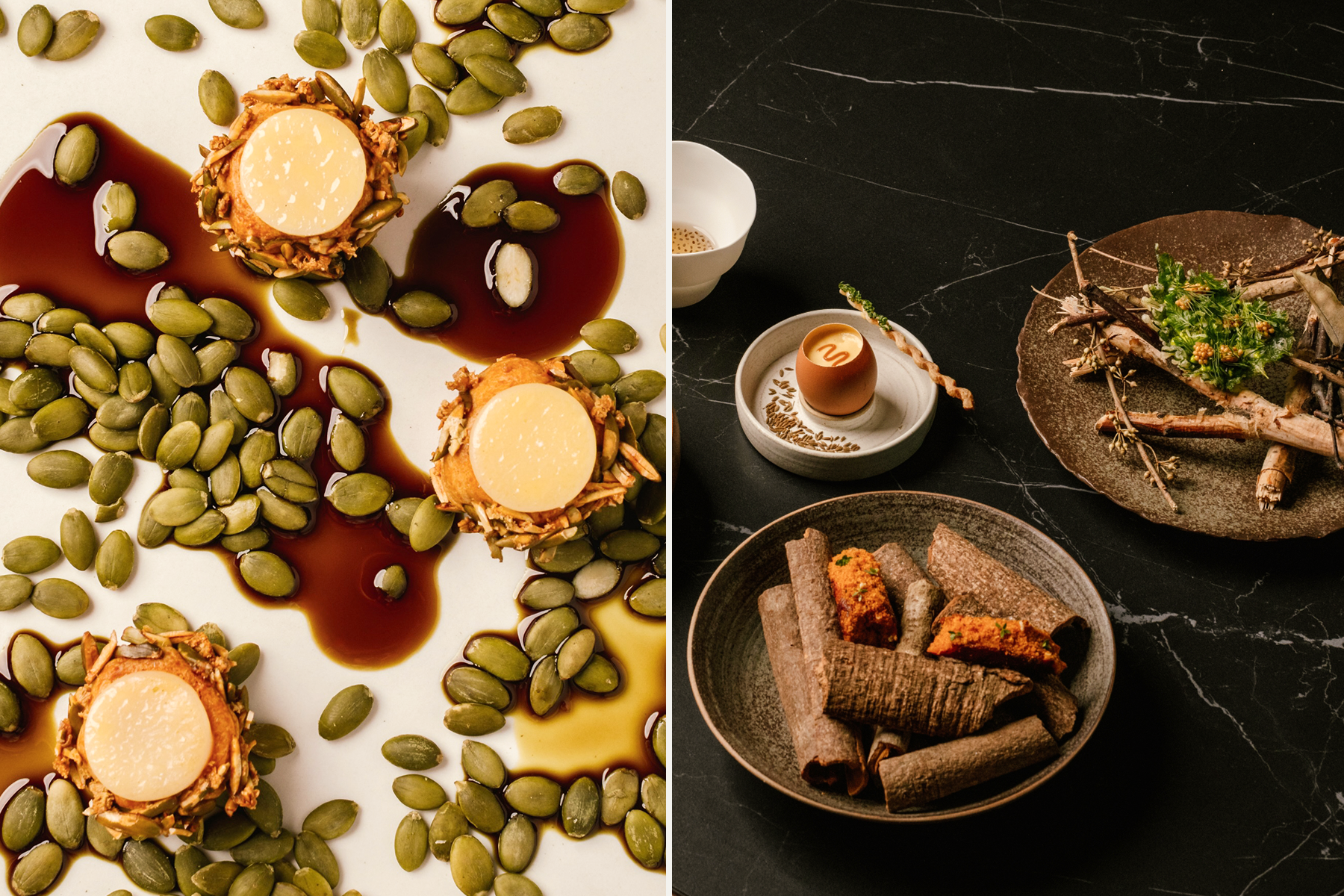
Elsewhere, Hong Kong’s Feuille reimagines tasting menus through a botanical lens, structuring dishes around ‘grains and seeds’ or ‘roots, stems and leaves’, while in Norway’s Lofoten archipelago, Vind Brasserie at the Henningsvær Bryggehotel brings a distinctly Arctic perspective. Here, menus shift with the rugged landscape, featuring reindeer, cloudberries and foraged mushrooms depending on the time of year, while signature dishes like seaweed salad carry the unmistakable imprint of place.

Images courtesy of Feuille

Farms as destinations

Root-to-ritual dining places provenance front and centre, transforming farms from behind-the-scenes suppliers into destinations where travellers are encouraged to linger and learn.

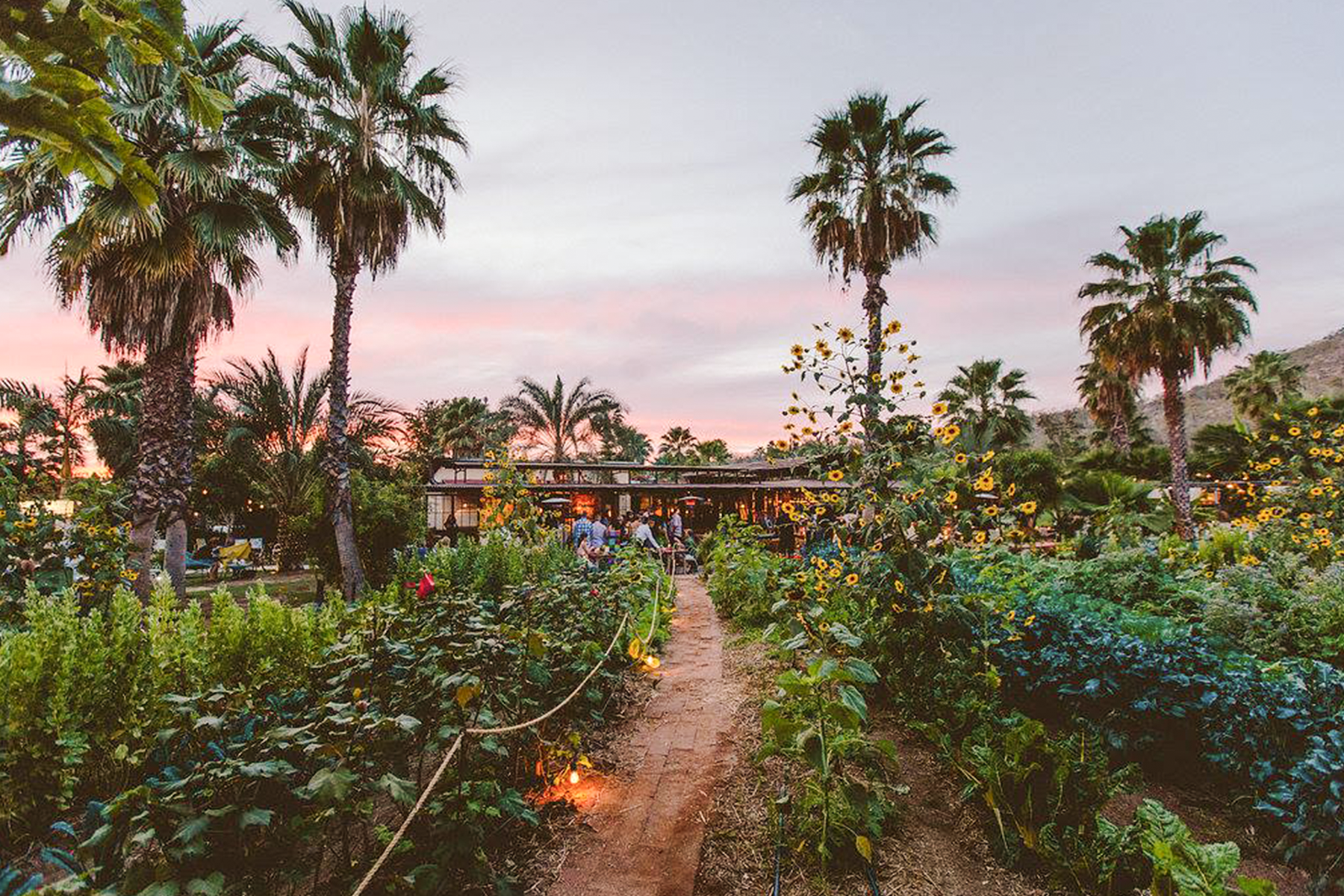
At the tip of the Baja California peninsula, Flora Farms unfolds across 25 acres of organic farmland. Here, guests can dine at an alfresco field kitchen, join hands-on classes to master making tamales and tortillas or simply take in the landscape – from mango and papaya groves to herb gardens – while unwinding in open-air spa tubs. Everything served is grown or raised on-site, with meat sourced from a nearby ranch and prepared in the property’s own butchery. 

Image courtesy of Flora Farms

Set within a 37-acre farm, Farmlore – on the outskirts of Bengaluru – is an 18-cover, chef’s table-style restaurant that uses wood fires fuelled by mango trees and Halikar cow dung. The set menu unfolds as a succession of small dishes, which might include Malabar oysters, foraged fire ants or Bannur mutton – an indigenous sheep breed.

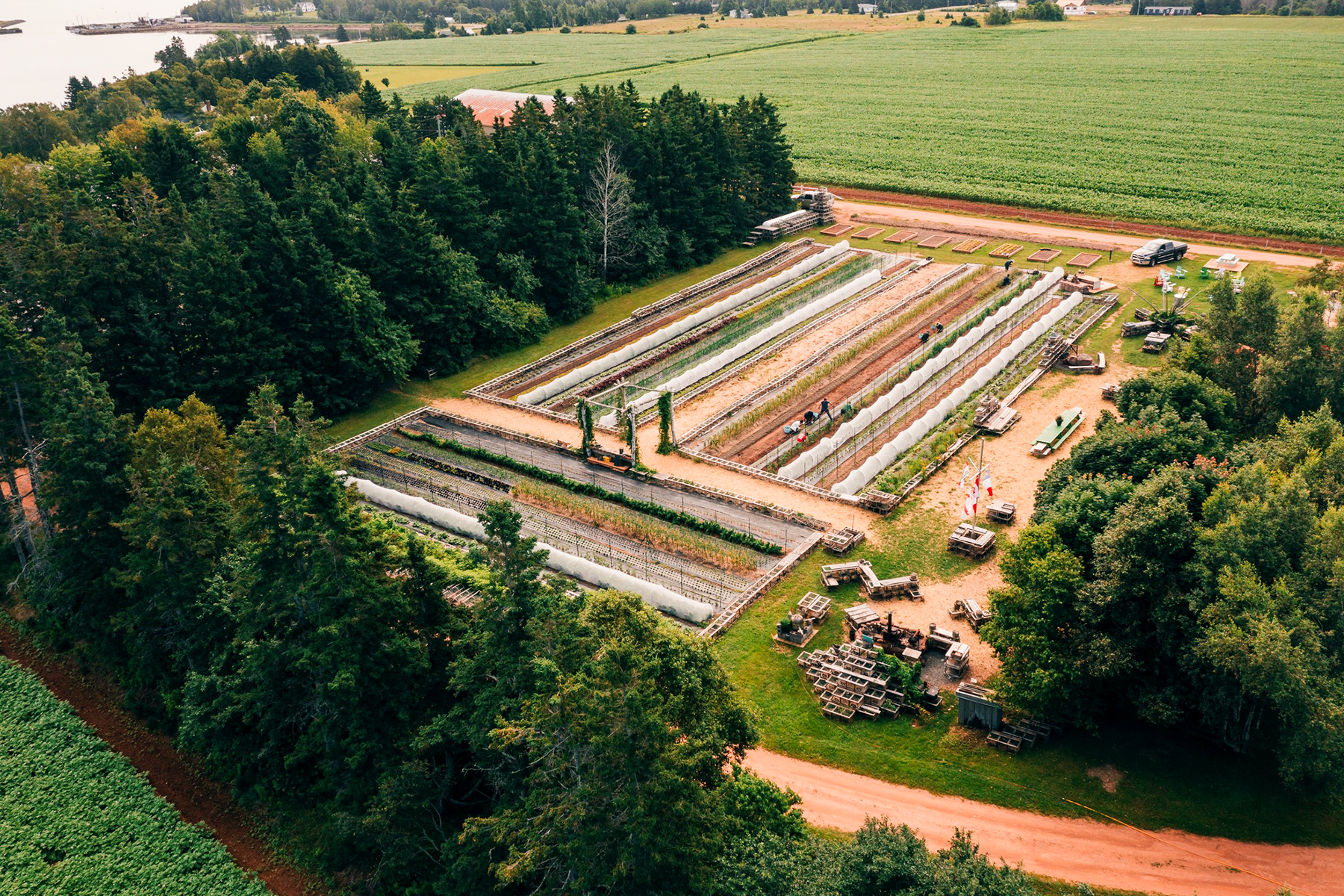
While on Canada’s Prince Edward Island, Inn at Bay Fortune blurs the line between farm, kitchen and classroom. Guests are invited to explore the grounds and engage with regenerative farming practices thanks to farmer Kevin Petrie’s informal sessions, before tucking into deceptively simple dishes – like a house salad composed of dozens of greens, herbs and edible flowers that are harvested each day.

Image courtesy of Inn at Bay Fortune

Reviving culinary rituals

Knowledge is key to this movement, with restaurants offering an opportunity to learn traditional skills and reconnect with practices that have been passed down through generations.

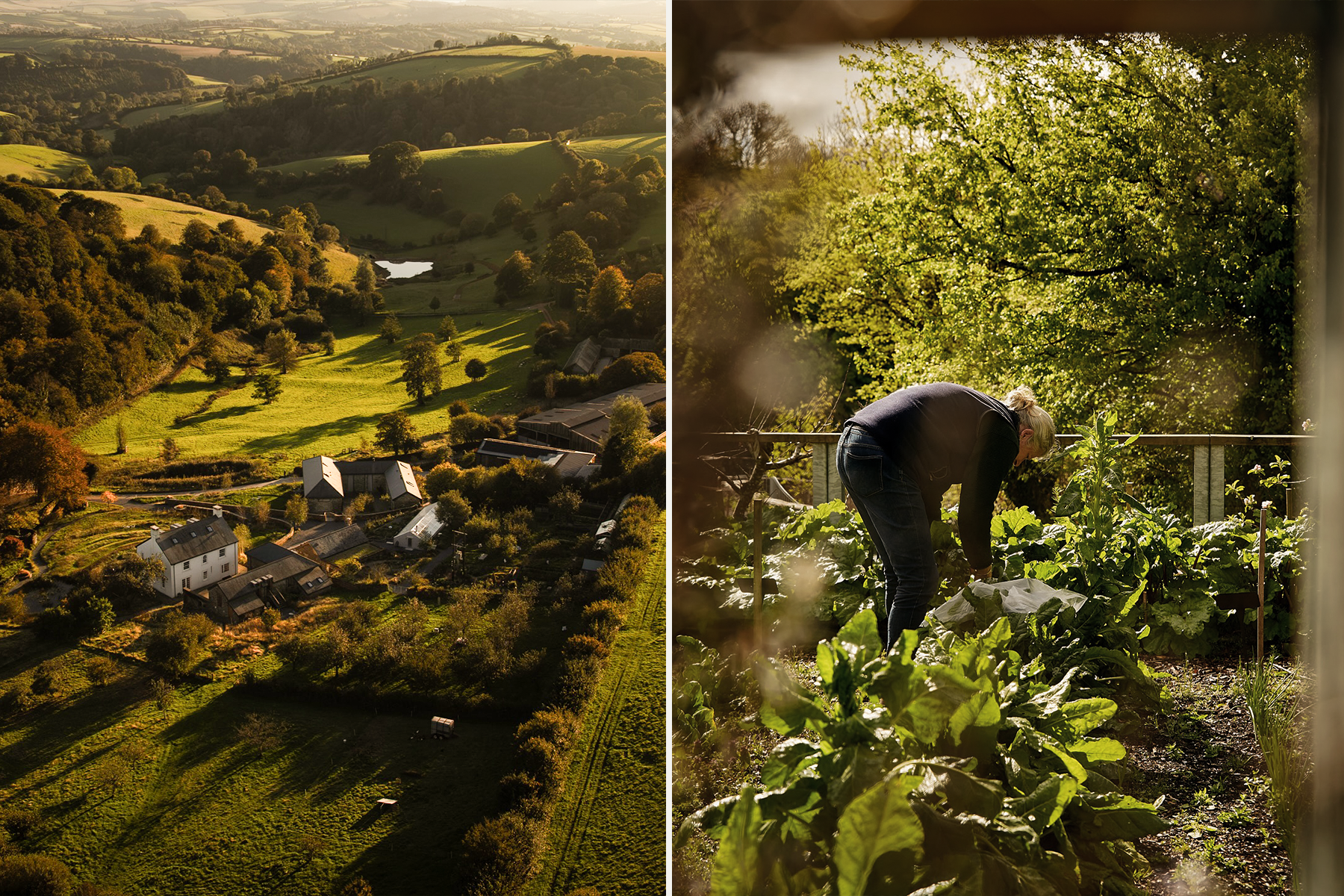
Like at Fowlescombe Farm in Devon, England, where days revolve around foraging for wild herbs and preserving seasonal produce. While in the Netherlands, Over-Amstel Boerderij also offers a hands-on approach. Arriving by boat, visitors step into a rural setting where workshops in fermenting, baking and cheesemaking becomes a practice rather than a finished product – something to engage with, not just consume. 

Images courtesy of Fowlescombe Farm

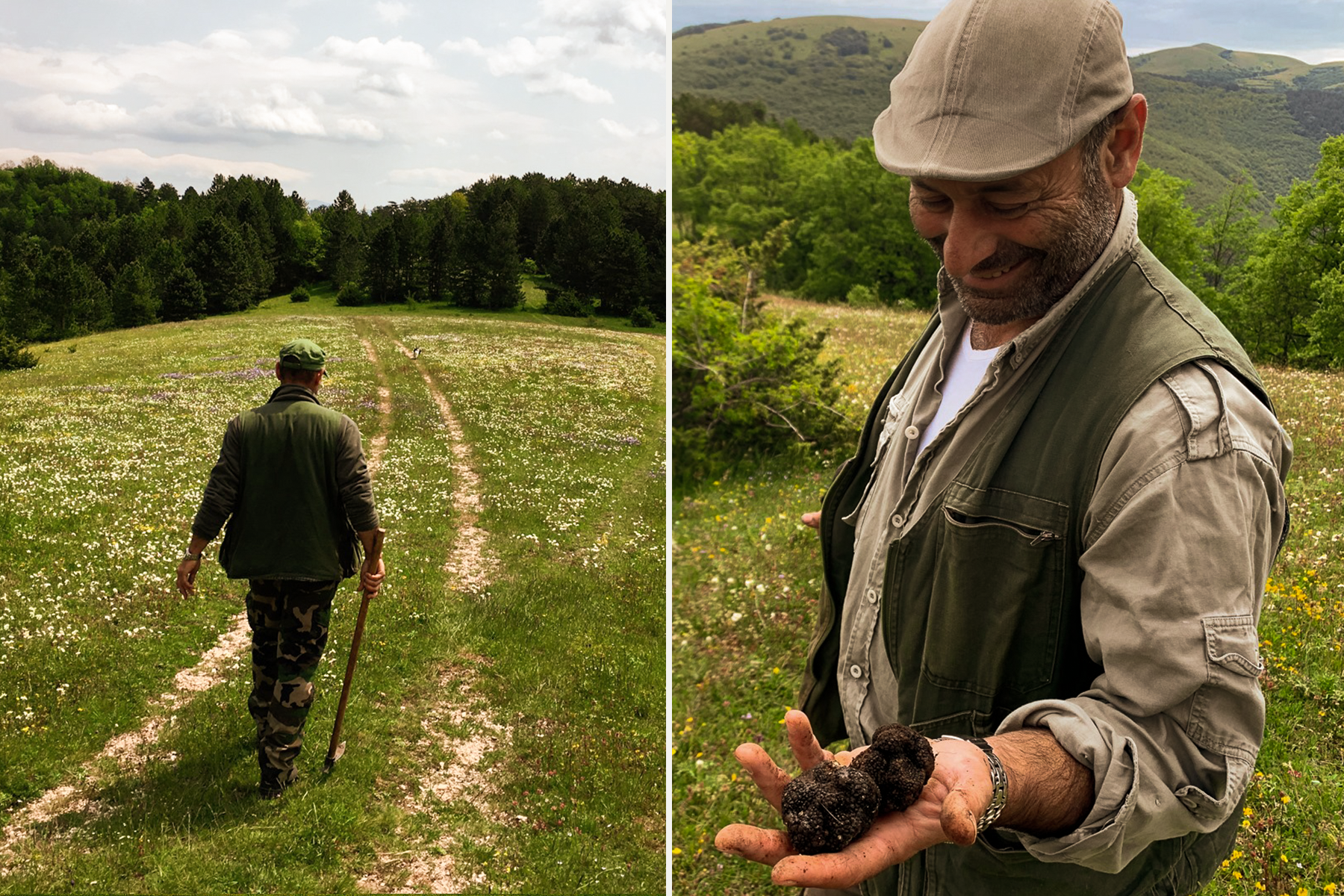
Elsewhere, curated experiences such as those offered by Wild Foods Italy invite travellers to explore the Umbrian countryside through truffle hunting and shepherding sheep, before perfecting their pasta- and sausage-making skills in the kitchen. 

Images courtesy of Wild Foods Italy

Supporting sustainability

Many root-to-ritual destinations are redefining responsible luxury, such as Locavore NXT in Bali, which exemplifies this forward-thinking approach with an on-site fermentation lab and circular waste system to ensure every element of its plant-forward, locally sourced menu minimises environmental impact while maximising creativity.

Similarly, Restaurant Nolla in Helsinki strives to eliminate waste, from sourcing ingredients in reusable containers to composting kitchen scraps, while Bangkok’s Haoma takes a self-sufficient closed-loop approach with 200 metres of vertical gardens and an urban farm that’s home to hundreds of chickens, as well as goats and cattle.

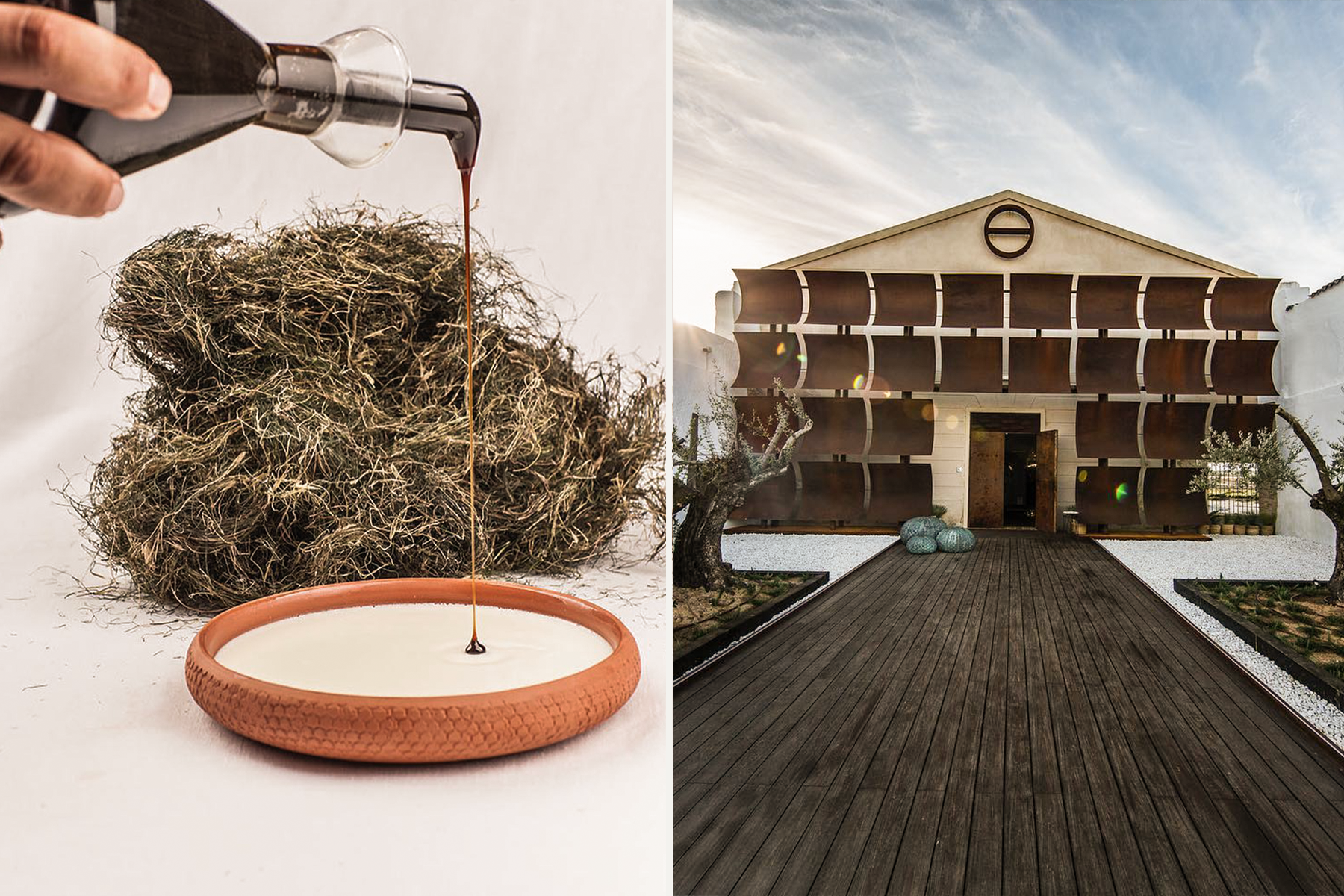
The focus is on marine sustainability in Cádiz, where Aponiente champions overlooked species and develops innovative culinary techniques to reduce pressure on overfished stocks while expanding the boundaries of what’s possible to plate up. Since opening, it’s introduced dozens of new marine ingredients and reimagined dishes through an ecological lens – from moray eel skin turned into crispy pork skin to hake collagen prepared and plankton tarte tatin.

Images courtesy of Aponiente

Root-to-ritual dining invites us to rethink luxury, moving beyond extravagance to engage with meals that are rooted in a sense of place, shaped by tradition and enriched by genuine human connection.

Let ASMALLWORLD Bespoke Travel craft a culinary journey rooted in sustainability and a true sense of place, tailored entirely to how you want to experience the world.

Become a member to join the conversation!

Become part of the world's leading travel & lifestyle community!

Related editorials

Tango Tales of South America

Discover the rich history of this distinguished dance

Uncovering the Bahamas Contemporary Art Scene

Get to know Bahamian culture through the Caribbean nation's stunning artworks.

London’s most storied streets

Myths, tales and where to eat on London’s infamous streets.