×

Globe-Trotting Through Festive Cultures

Globe-Trotting Through Festive Cultures

Christmas may share a common origin, but each culture has woven its own stories, flavours, and rituals into the season, creating celebrations as diverse as the destinations themselves. From solemn processions to playful folklore, here's how different corners of the world mark this special time of year.

Mexico

A Search for Shelter

Mexico's Christmas season comes alive with Las Posadas, a nine-night celebration running from 16 to 24 December that reenacts Mary and Joseph's journey to Bethlehem. Each evening, families and neighbours gather for candlelit processions through the streets, with children dressed as angels and shepherds carrying images of the holy couple. The procession visits selected homes, singing traditional carols and asking for lodging, only to be refused, just as in the biblical story. Finally, at the designated house, the pilgrims are welcomed inside for prayers, festive food, and the highlight: breaking open colourful star-shaped piñatas that represent the seven deadly sins. On Christmas Eve, known as Nochebuena, families attend midnight Mass before gathering for lavish feasts featuring regional specialities like tamales, bacalao, and warm ponche navideño.
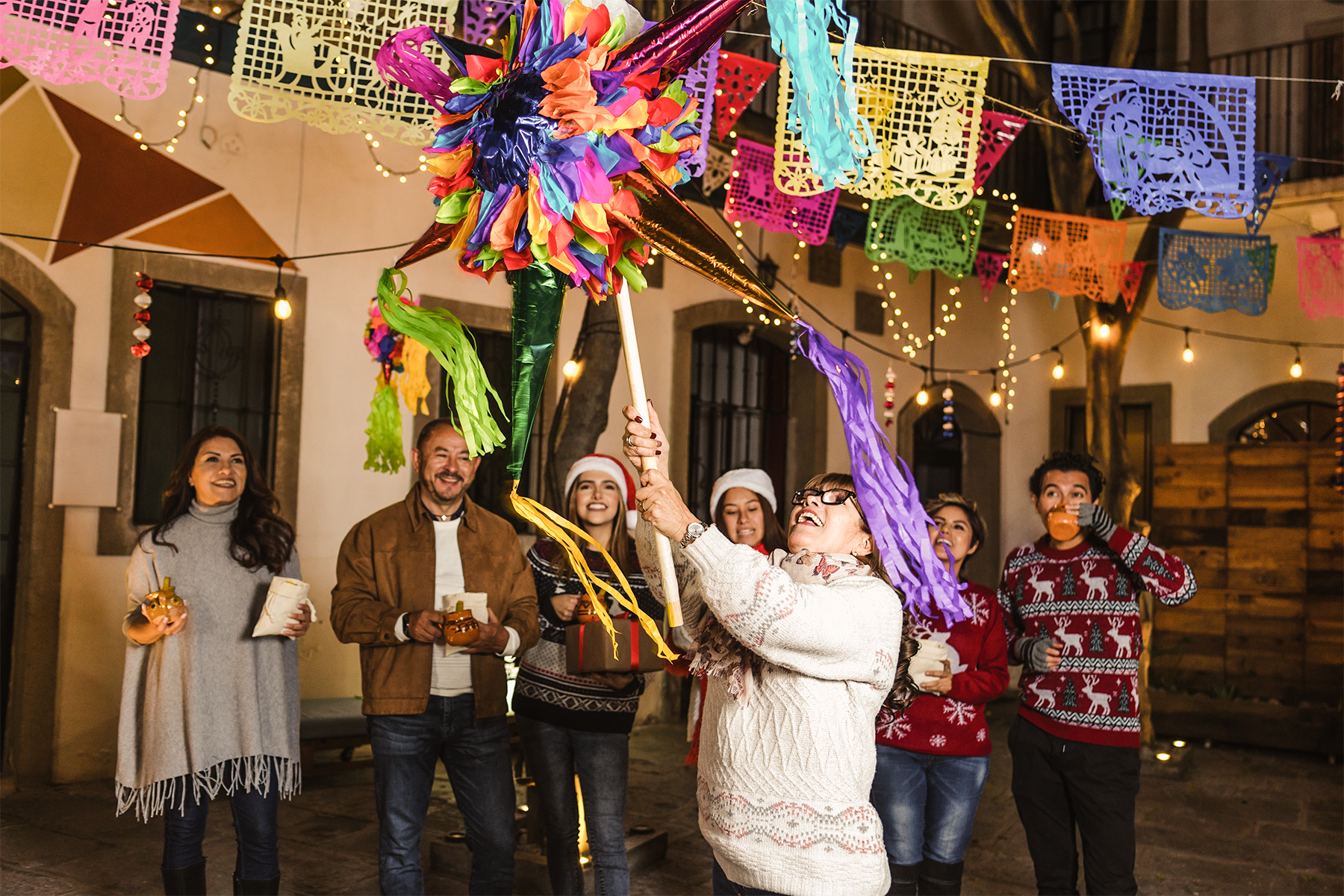
A traditional piñata at a Christmas posada

Sweden

Candle Crowns and Straw Goats

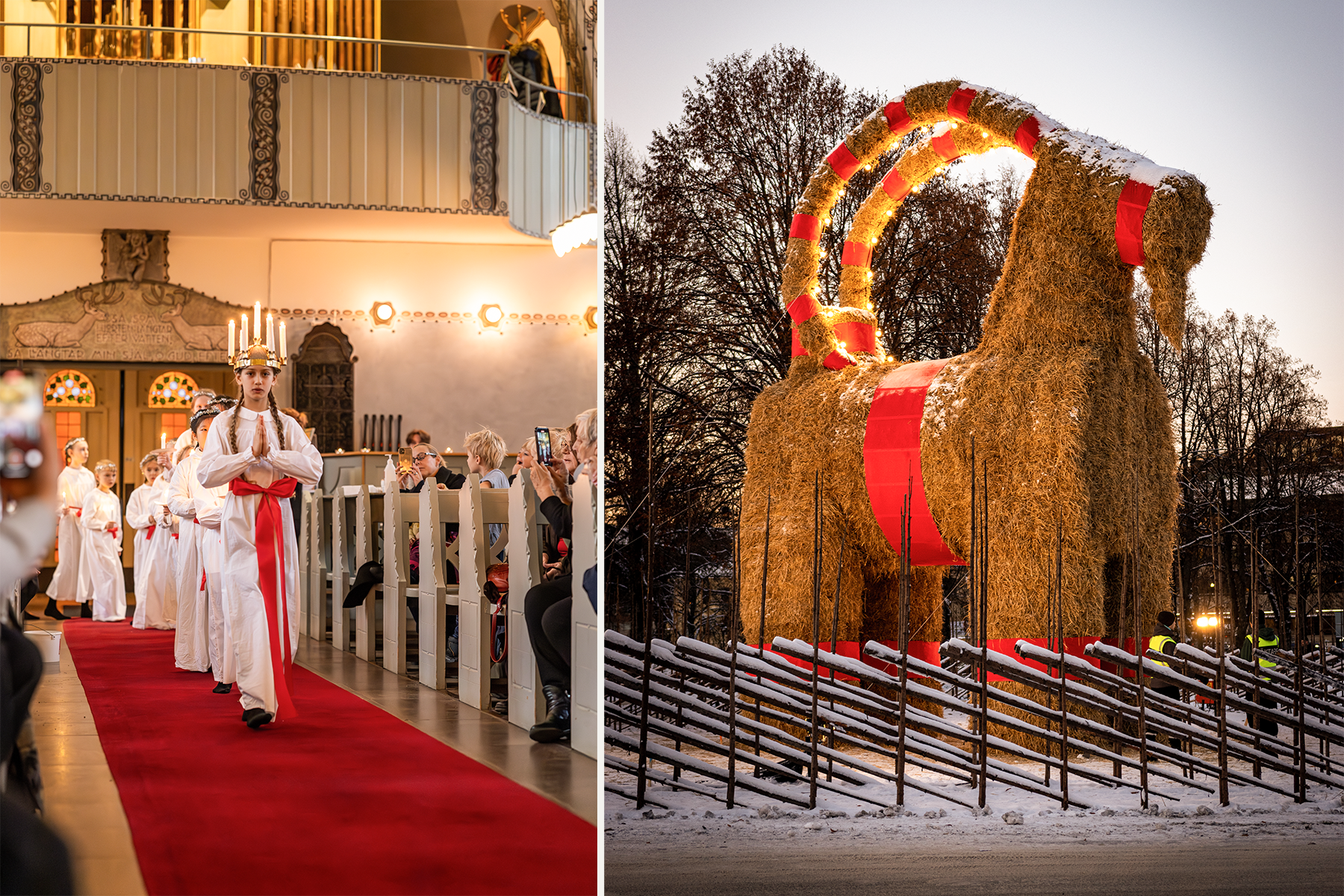
Swedish Christmas traditions centre on bringing light into the darkest time of year. On 13 December, Saint Lucia Day features young girls dressed in white robes with red sashes, wearing crowns of candles, leading processions through churches, schools, and homes while singing traditional songs. Another beloved symbol is the straw Yule Goat, displayed in homes and town squares — most famously the giant Gävle Goat, erected each year despite its notorious history of arson attempts. These traditions transform the long Scandinavian winter into a season of warmth, community, and celebration.

LEFT: Children participating in the Lucia celebration | RIGHT: Giant Gävle Goat on display in Gävle, Sweden

Portugal

A Place Set for the Absent

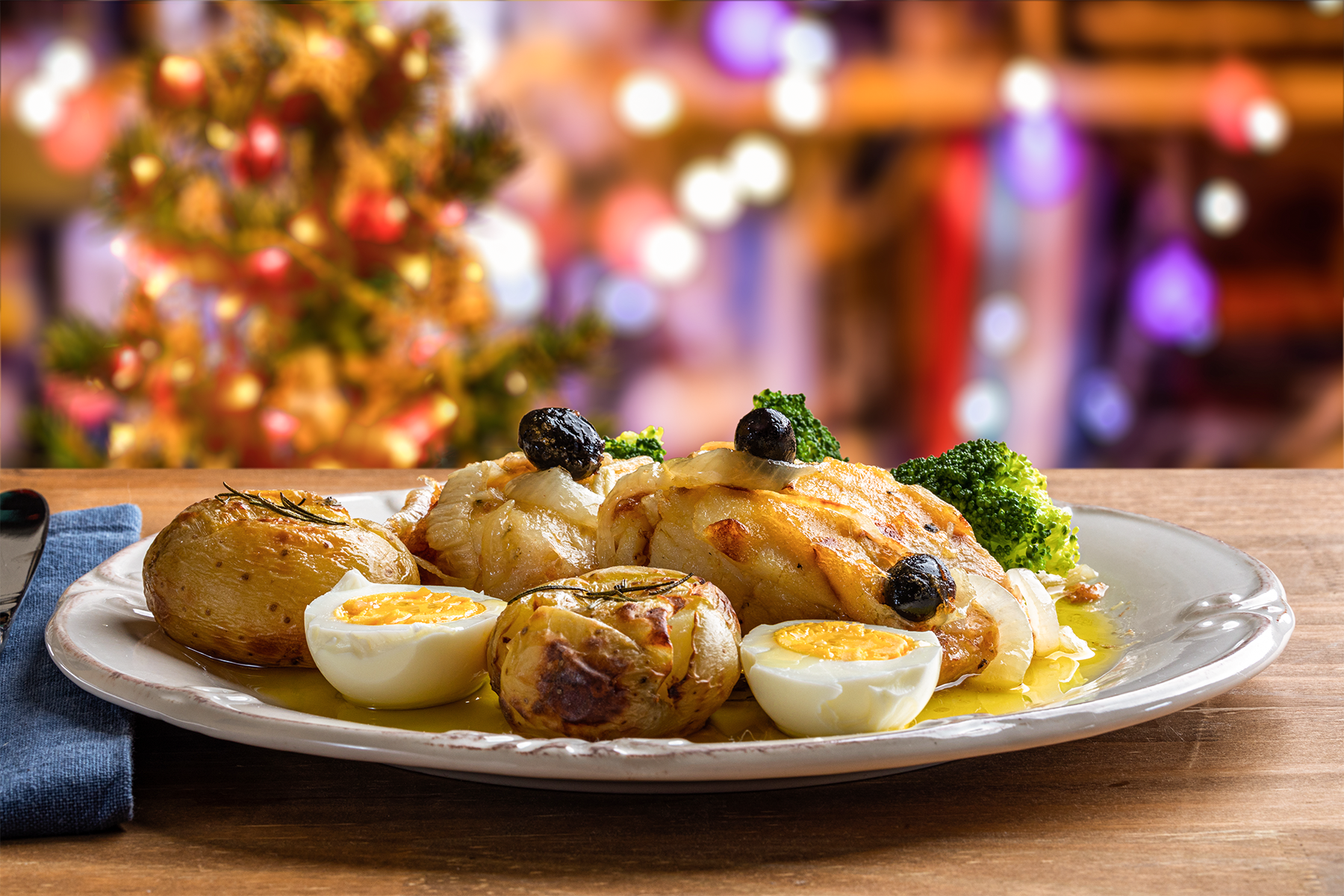
Portuguese families observe Christmas Eve with Consoada, a traditional codfish supper that brings together extended family. What makes this meal particularly poignant is the custom of setting an extra place at the table or leaving the table laid overnight as a way to honour deceased loved ones, inviting their spirits to join the celebration. This beautiful gesture reflects the deep connection between memory, family, and festivity that defines the Portuguese Christmas season.

A traditional Portuguese cod dish prepared for Christmas

Austria and Bavaria

The Creature That Handles the Naughty List

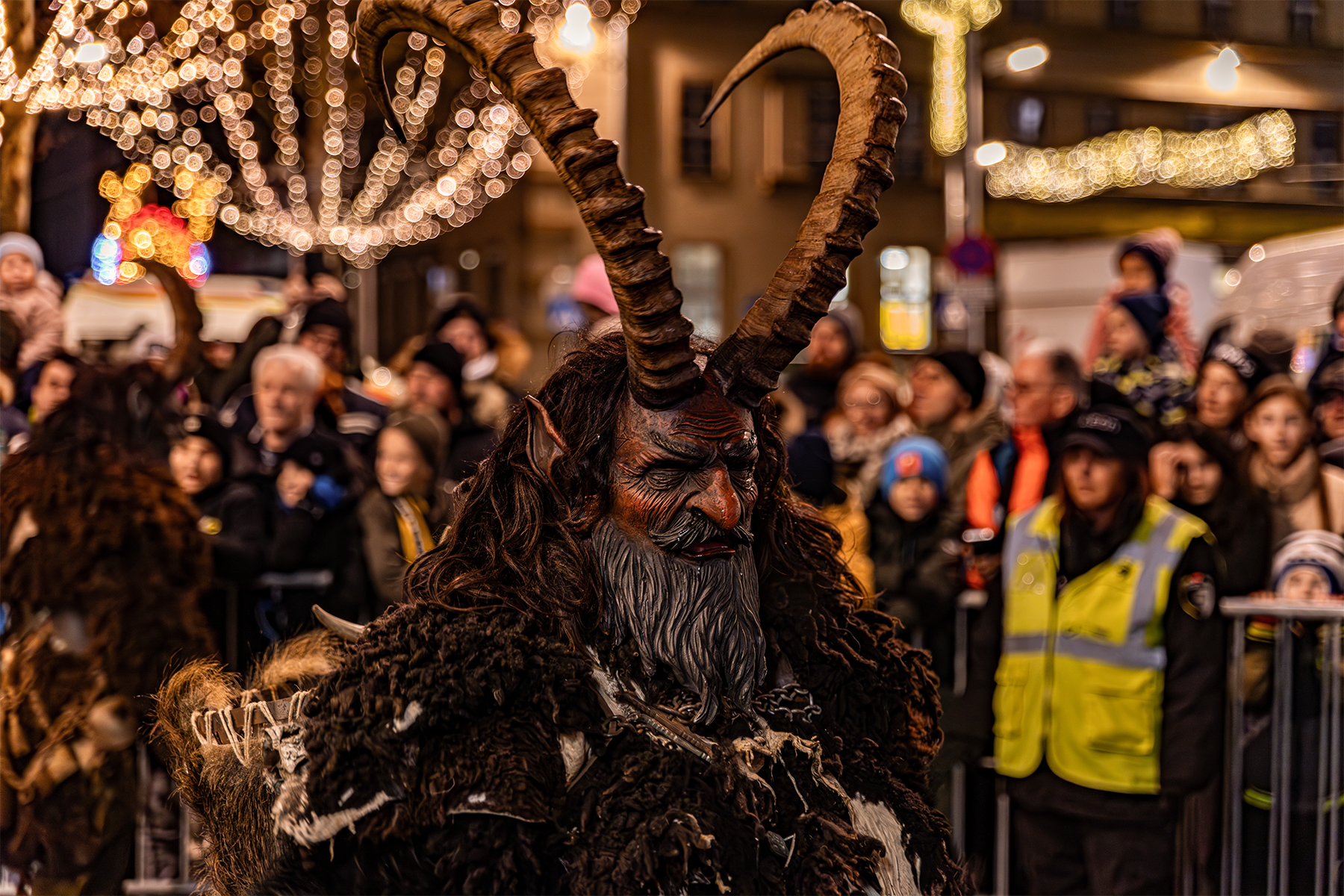
While Saint Nicholas rewards good children, the Alpine regions of Austria and Bavaria introduce a decidedly darker figure: Krampus, a horned, demonic creature who accompanies the saint to discipline naughty children. During Krampuslauf parades in early December, costumed performers wearing elaborate masks and fur costumes roam the streets, rattling chains and playfully "chasing" spectators. This folkloric tradition adds a thrilling, slightly spooky edge to the festive season and has become a major tourist attraction in Alpine towns.

Krampus parade in Villach, Austria

Japan

Christmas Dinner Courtesy of Colonel Sanders

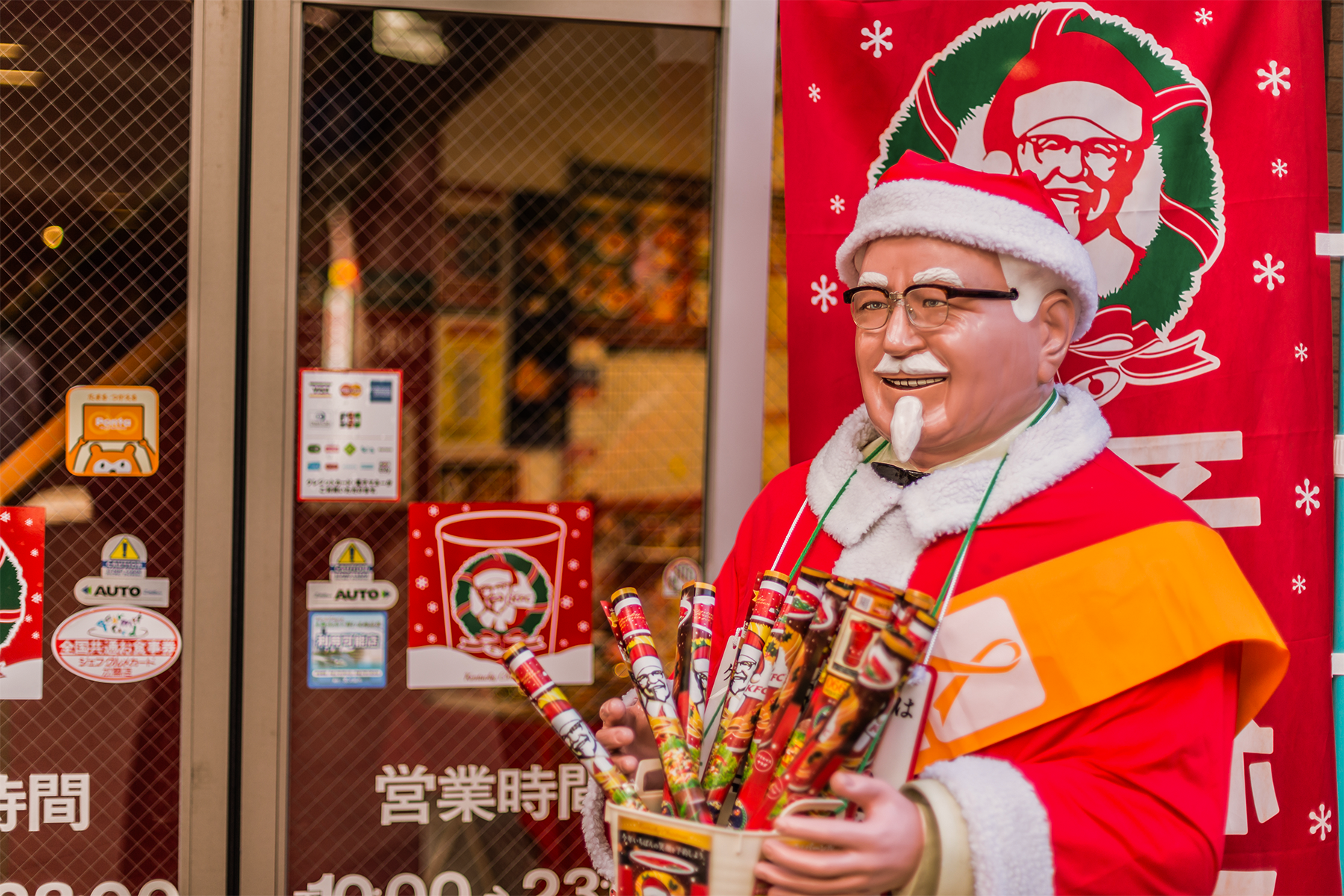
Japan's most famous Christmas tradition was born not from ancient folklore but from brilliant 1970s marketing: ordering Kentucky Fried Chicken for Christmas dinner. This custom has become so ingrained that families pre-order their Christmas chicken weeks or even months in advance, with KFC experiencing one of its busiest periods of the year on 24 and 25 December. While Christmas isn't a religious holiday in Japan, it has evolved into a romantic and commercial celebration featuring spectacular illuminations, gift-giving, and those iconic red-and-white KFC buckets.

Colonel Sanders Christmas display outside a KFC in Japan

The Netherlands

Sinterklaas Arrives by Steamboat

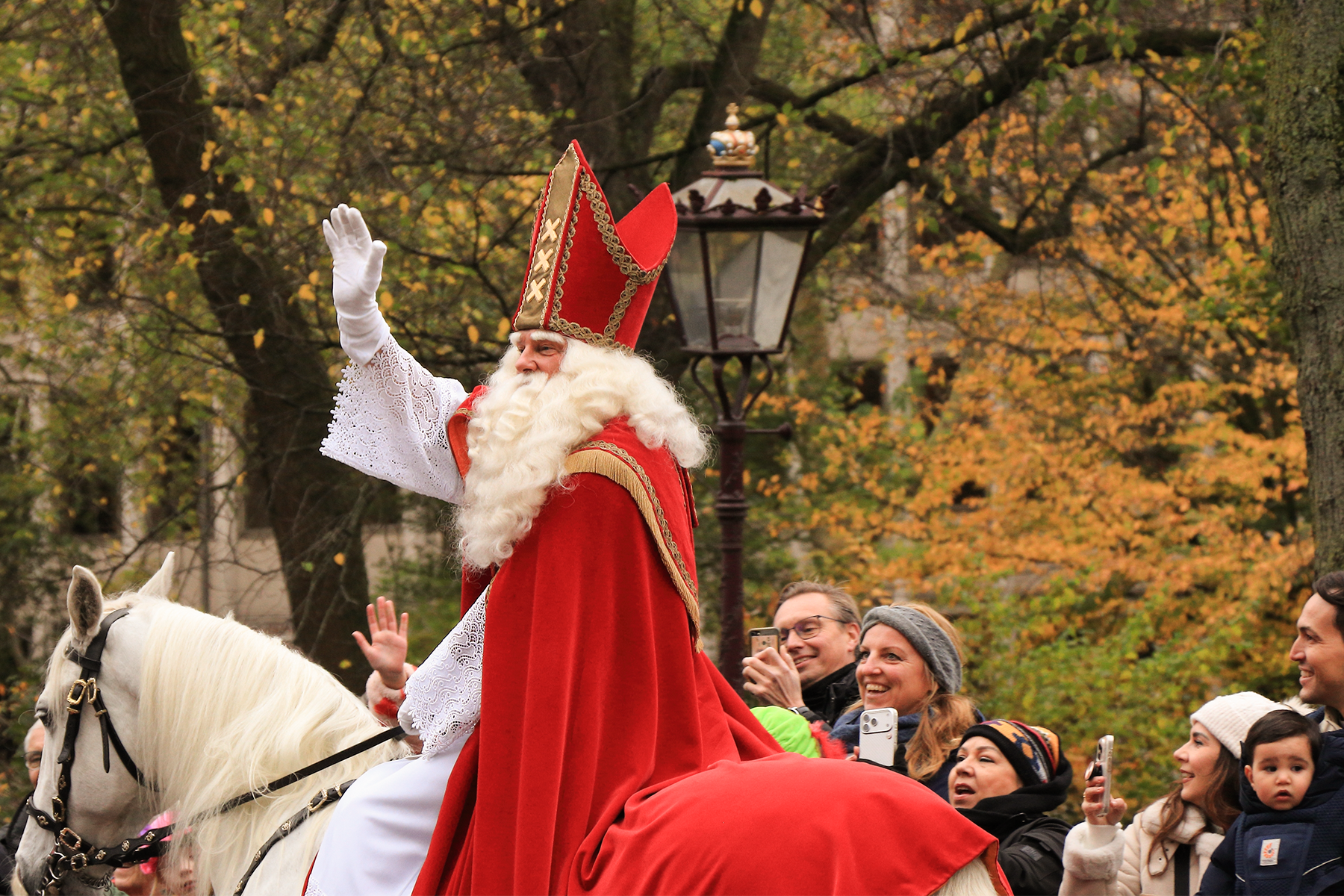
Dutch Christmas celebrations are split between two occasions, with the earlier Sinterklaas tradition taking centre stage. On 5 December, known as Pakjesavond or “presents evening,” Saint Nicholas is said to arrive from Spain by steamboat, accompanied by his helpers and a white horse. In the weeks leading up to this night, children leave shoes by the fireplace or window filled with hay or carrots for the horse, waking to find small gifts, chocolate letters shaped like their initials, and spiced biscuits called pepernoten. Because gifts are exchanged during Sinterklaas, Christmas Day itself on 25 December is typically a quieter, family-focused affair with meals and games rather than elaborate gift-giving.

Sinterklaas on his white horse at the Sinterklaasintocht parade in Amsterdam

Ireland

An Invitation for Mary and Joseph

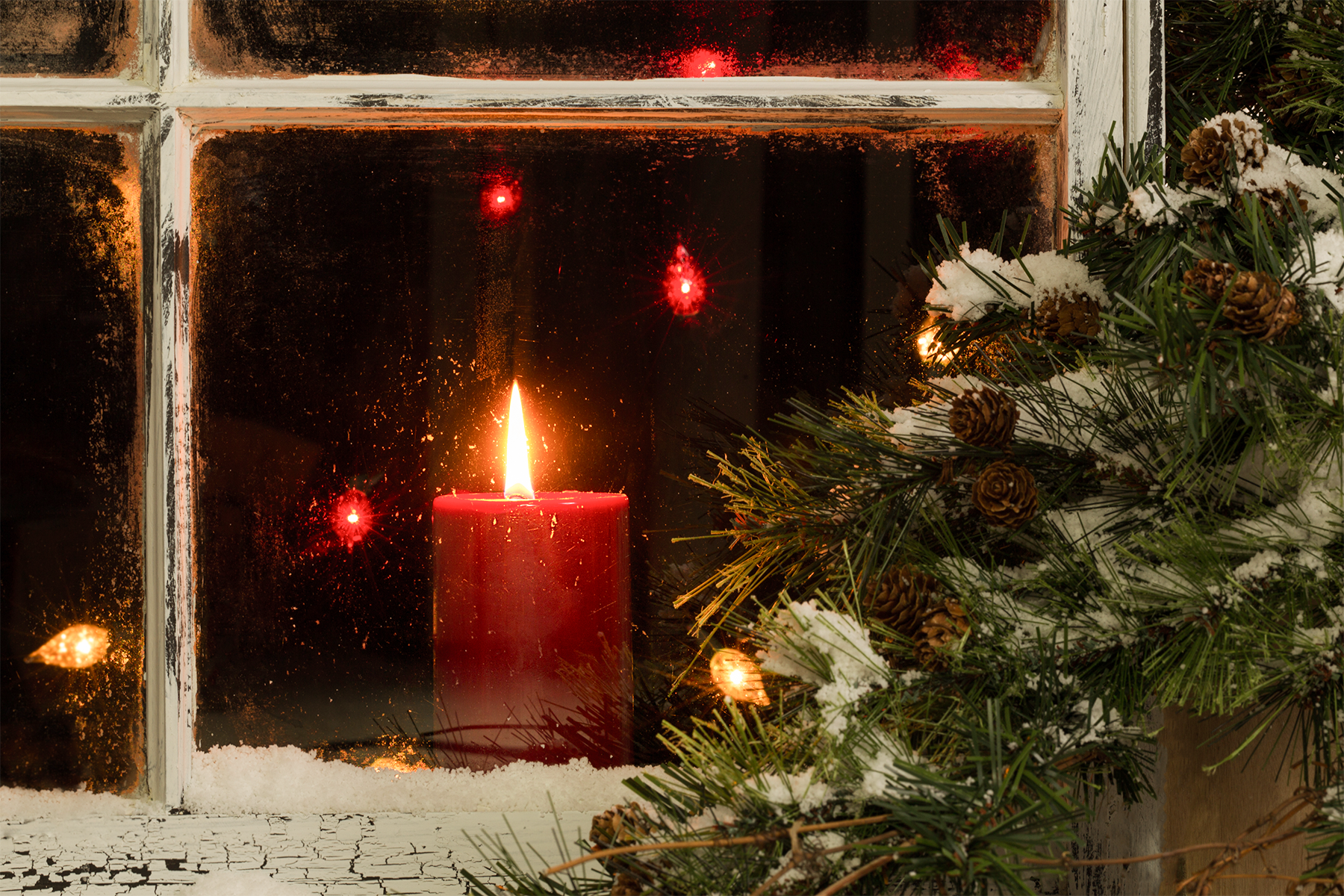
Irish homes maintain a simple yet meaningful tradition: placing a lit candle in the front window on Christmas Eve. This welcoming light symbolically invites Mary and Joseph to find shelter, echoing the Nativity story, while historically it also served as a beacon for priests during times of religious persecution. The warm glow in windows across the country creates a visual reminder of hospitality and faith during the darkest nights of winter.

A window candle lit to honour Mary and Joseph’s journey

Italy

The Gift-Bearing Witch

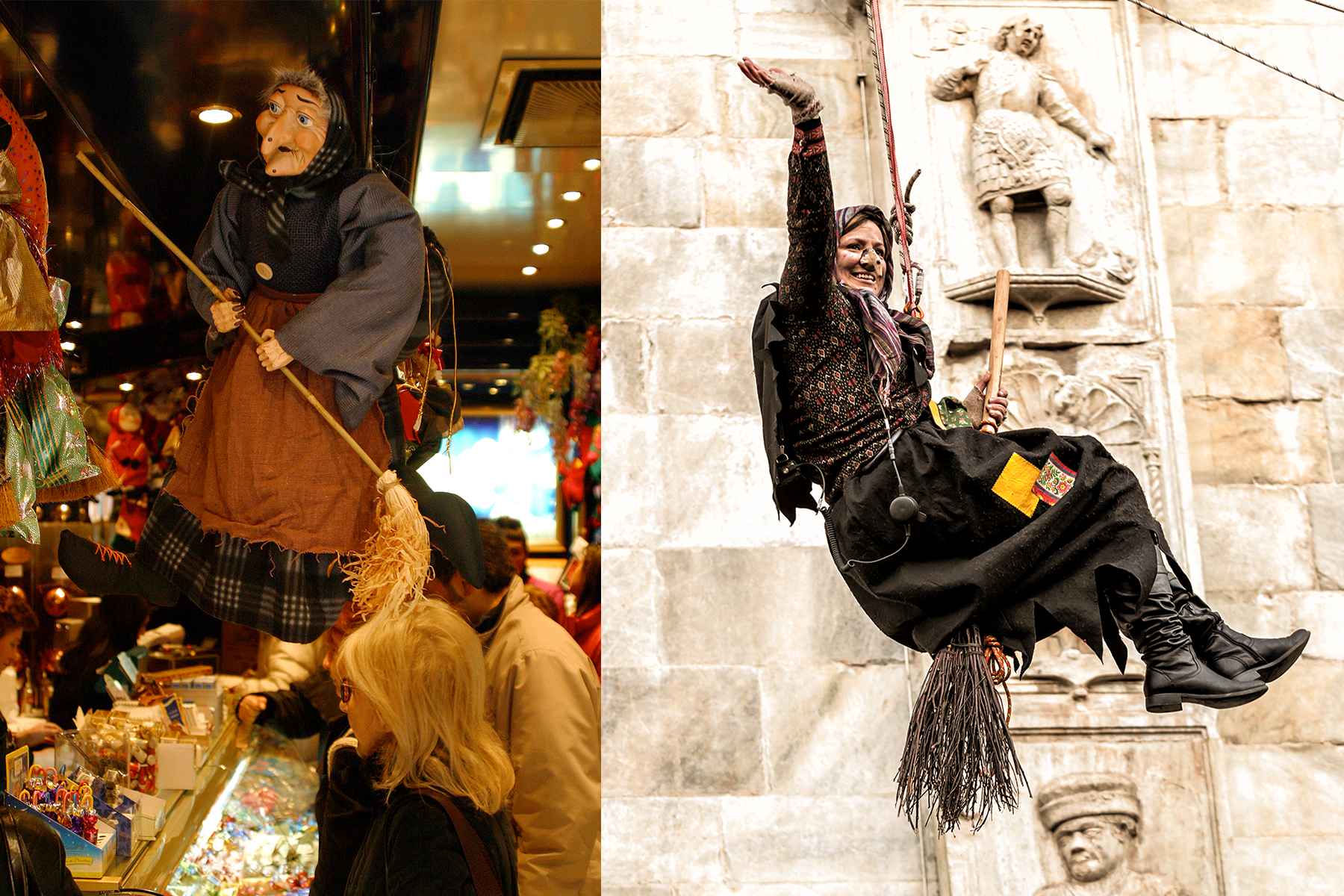
Italian children experience a unique twist on Christmas gift-giving: while some presents may arrive on Christmas Day, the main event comes on 6 January when La Befana, a kindly witch figure, delivers gifts. According to legend, this old woman missed the chance to visit baby Jesus and now spends Epiphany searching for him, leaving sweets and small gifts for good children (and coal or dark candy for the naughty ones) as she flies from house to house on her broomstick.

LEFT: A Befana puppet on display in an Italian shop | RIGHT: A performer dressed as Befana bringing sweets to children

Colombia

Tiny Candles Lit for Mary

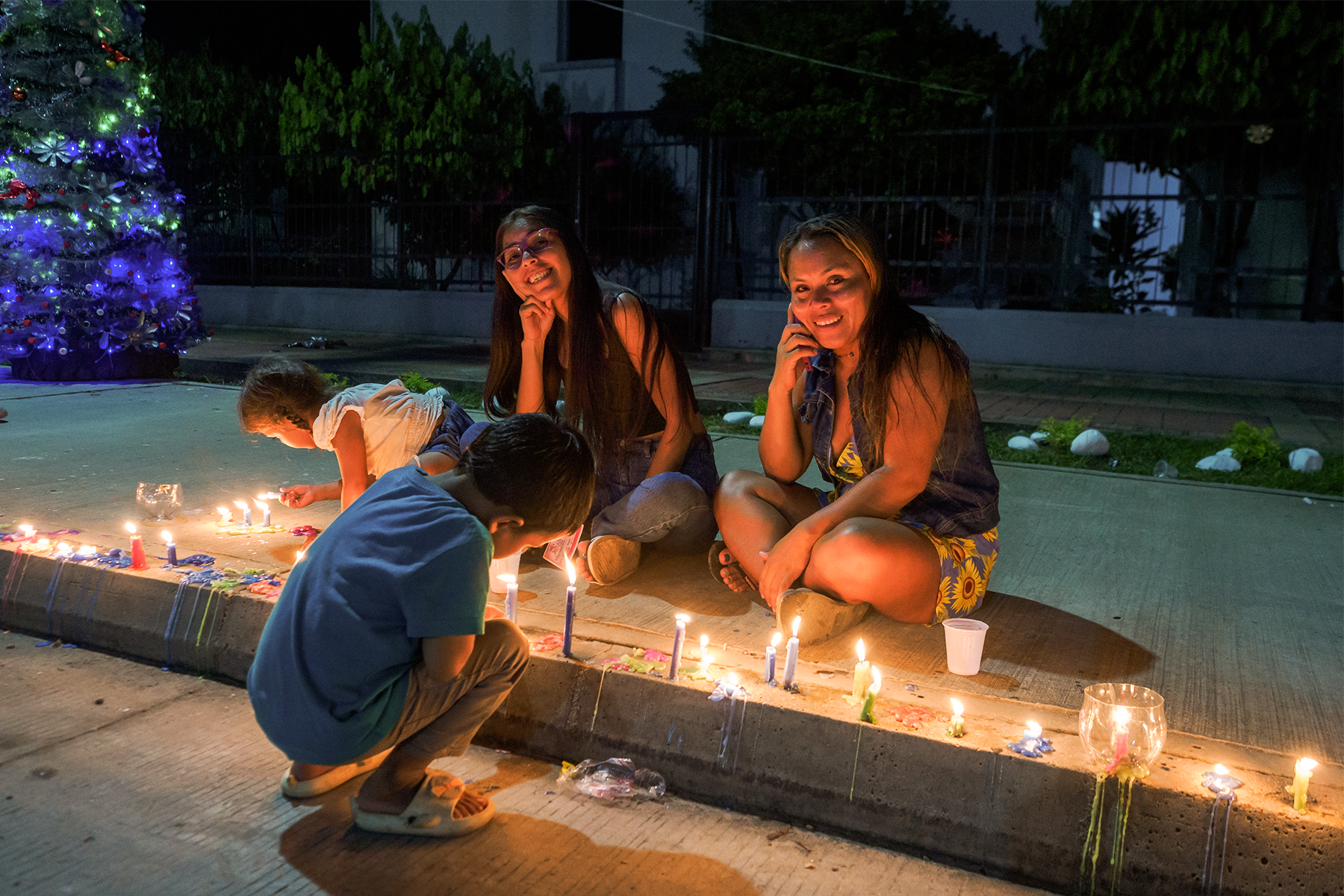
Colombia kicks off its Christmas season early with Día de las Velitas (Day of the Little Candles) on 7 December. Families and communities fill streets, plazas, windowsills, and doorways with thousands of candles and lanterns, creating a magical sea of flickering lights that honour the Virgin Mary and mark the official start of festive celebrations. This luminous tradition transforms entire neighbourhoods into glowing displays of collective joy.

Residents celebrating Day of the Little Candles in Colombia

Ukraine

The Spider That Brings Christmas Fortune

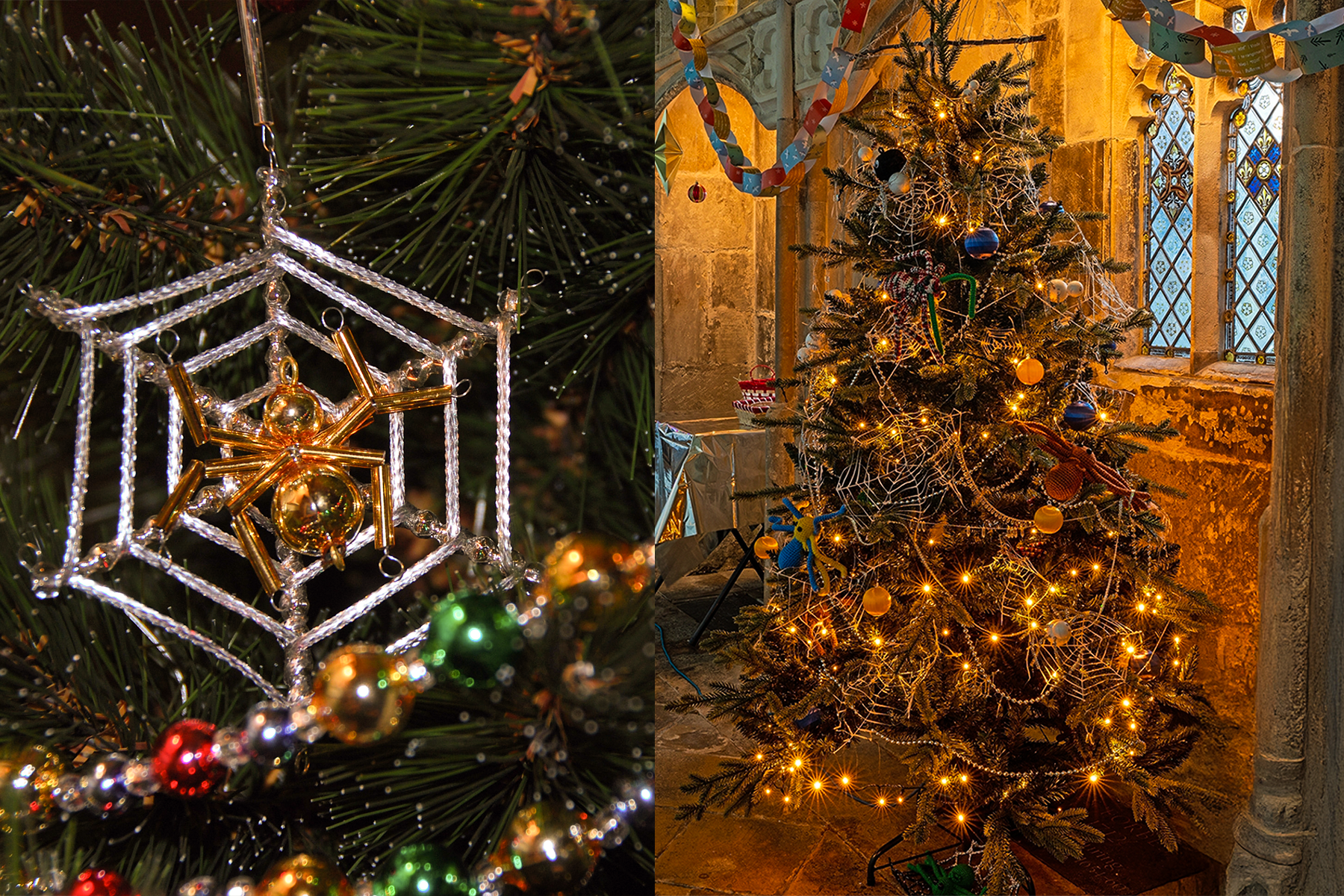
Ukrainian Christmas trees receive an unusual decoration: artificial spider webs and small spider ornaments. This charming tradition stems from a folk tale about a poor family whose tree was magically decorated by spiders overnight, their webs turning to silver and gold in the morning light, bringing the family good fortune. The custom now serves as a symbol of prosperity and luck for the coming year.

Spiderweb Christmas decorations rooted in a Ukrainian folk tradition

The Philippines

Christmas Begins in the “Ber” Months

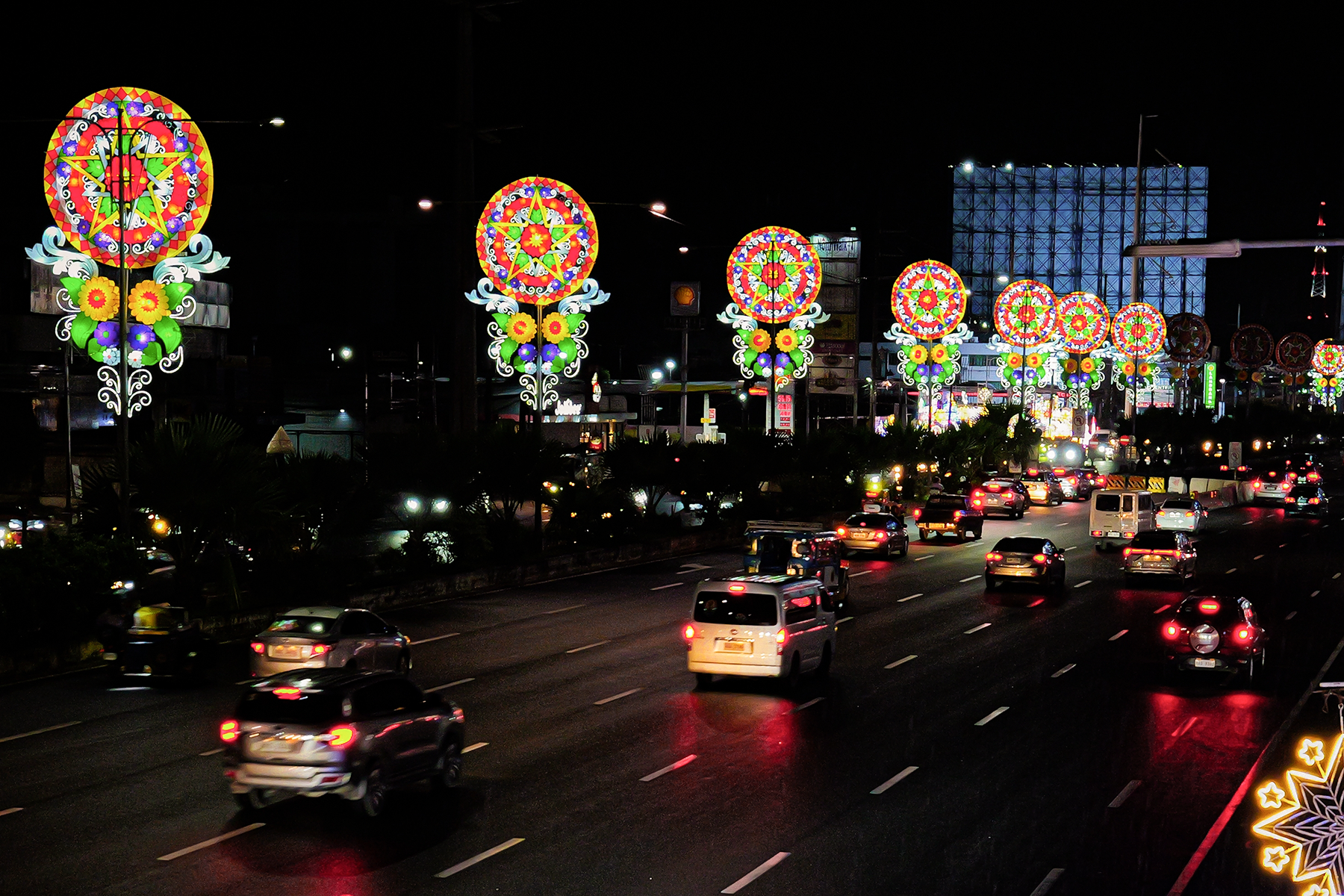
The Philippines celebrates one of the world's longest Christmas seasons, often beginning in September and featuring the spectacular Giant Lantern Festival (Ligligan Parul Sampernandu) in San Fernando, Pampanga. These enormous paról, star-shaped lanterns traditionally made from bamboo and paper, light up the night with elaborate designs and synchronised LED displays, transforming a simple symbol into a dazzling competitive art form that draws thousands of visitors each December.

Giant illuminated Christmas lanterns lining a busy highway in San Fernando, Pampanga

These traditions may look worlds apart, but they each capture something essential about the season: the comfort of togetherness, the joy of shared moments, and the simple act of showing care. Christmas is universal, even when the celebrations are wonderfully different.

Become a member to join the conversation!

Become part of the world's leading travel & lifestyle community!

Related editorials

Cultural Day Trips from London

A list of the best places to visit from the UK capital.

Monthly Happenings in September

Discover Europe’s best end-of-summer events

Bite-Sized Berlin: 5 Cultural Hotspots

Five of Berlin’s most loved cultural hotspots.