Today, historic buildings are being restored as design-led hotels, regional ingredients are fuelling an inventive culinary scene and cities once defined by hardship are now celebrated for their creative approach to urban regeneration. The result is a destination that feels both newly discovered and deeply rooted, where centuries-old traditions sit alongside a sophisticated modern perspective.
Colombia’s reputation has undergone one of the most remarkable transformations in modern travel. Once associated with turbulence, it’s increasingly making international headlines with its world-class restaurant scene, award-winning coffee fincas, visionary architectural projects and breathtaking national parks. This spirit of reinvention is driven by what the locals have always known: that Colombia’s astonishing produce, culture and biodiversity are impossible to ignore.
Heritage Meets High Style
Emerging as a rising star in luxury hospitality in our 2026 travel predictions, design-led hotels are breathing new life into Colombia’s landmark buildings. Take the newly unveiled Four Seasons Cartagena in the city’s arty Getsemaní neighbourhood. Meticulously restored cloistered courtyards, arched windows and timber balconies speak to the city’s colonial past, while Colombian designer Pol Mallarino draws on regional craft traditions to fill the interiors with eye-catching furniture and textiles.
Beyond the hotel’s soothing palette, the coral-stone ramparts of the Walled City reveal a riot of colour. Flower-filled plazas, brightly painted façades and stalls pouring freshly squeezed fruit juices all capture the city’s unmistakable Caribbean vibrancy.
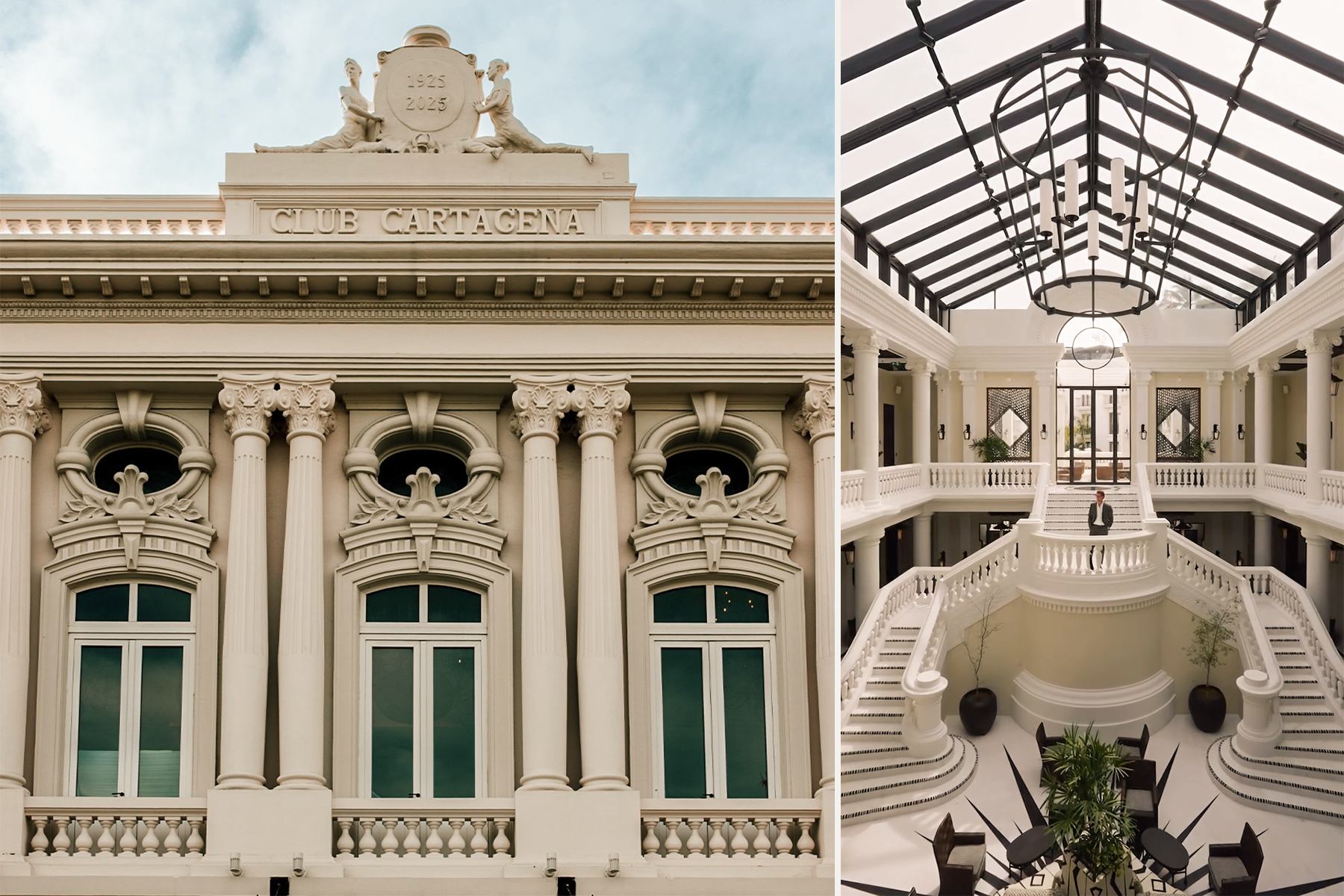
A restored icon in Cartagena
Images courtesy of Four Seasons Cartagena
Enter an Urban Jungle
Few cities embody Colombia’s reinvention more vividly than Medellín. Urban regeneration projects have connected once-isolated neighbourhoods to an ambitious cable car network and reduced air pollution through the introduction of green corridors. In fact, nature plays an essential role in shaping the city’s new identity, especially in fashionable El Poblado, where high-end hotels have invited the outside in.
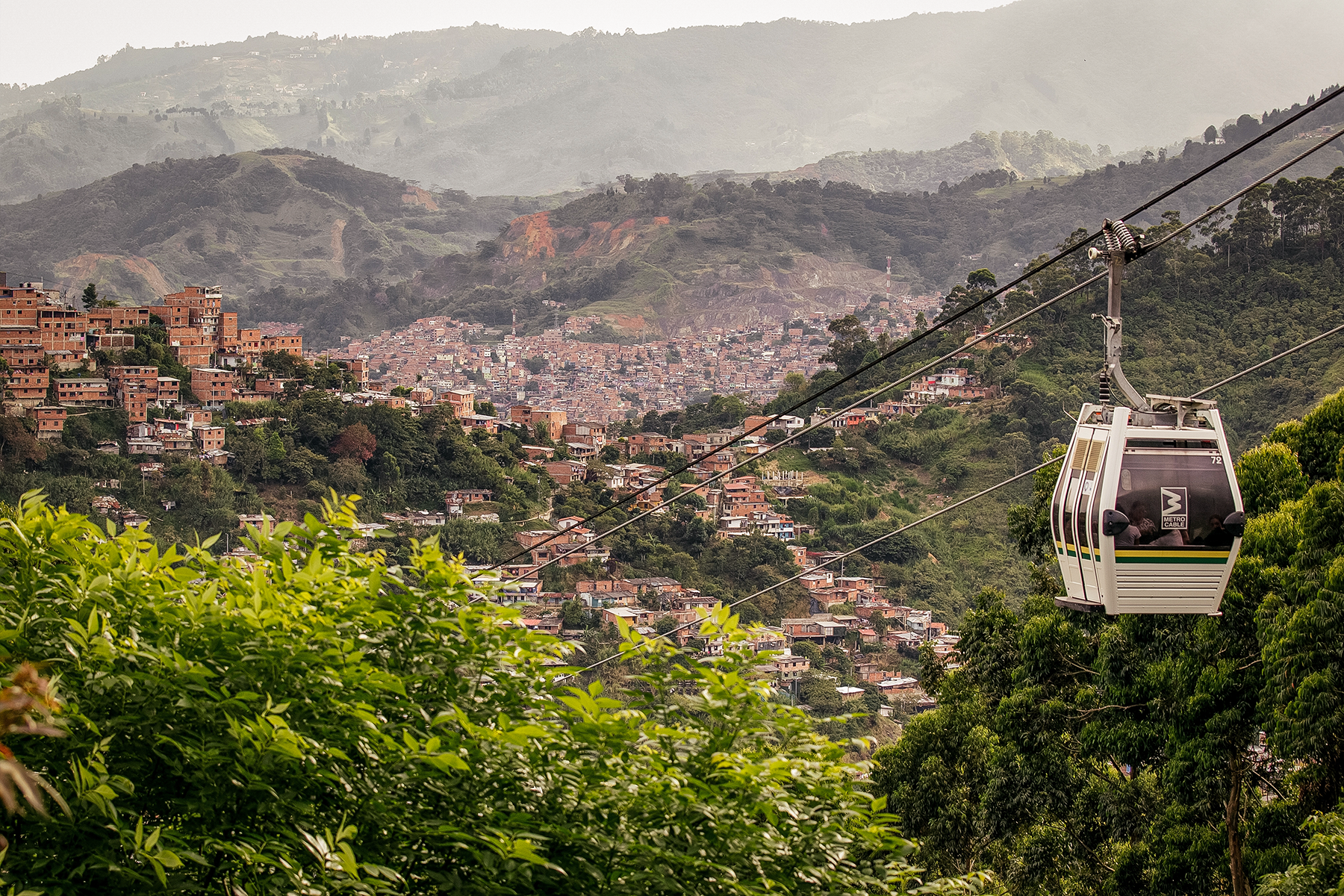
Aerial cable car over the green hills of Medellín
Elcielo, honoured with One MICHELIN Key in 2025, features a living plant wall that flows into calm, contemporary interiors, while its rooftop pool is shaded by creeping vines. Greenery frames Somos’ external steel staircase and Click Clack employs native plants as both ornament and natural cooling system.
Even the city’s burgeoning brunch scene has embraced the urban jungle aesthetic. At the Laureles outpost of Pergamino, a leafy, indoors-meets-outdoors space channels the atmosphere of a rural finca, creating an oasis where locals gather for slow mornings and smooth brews.
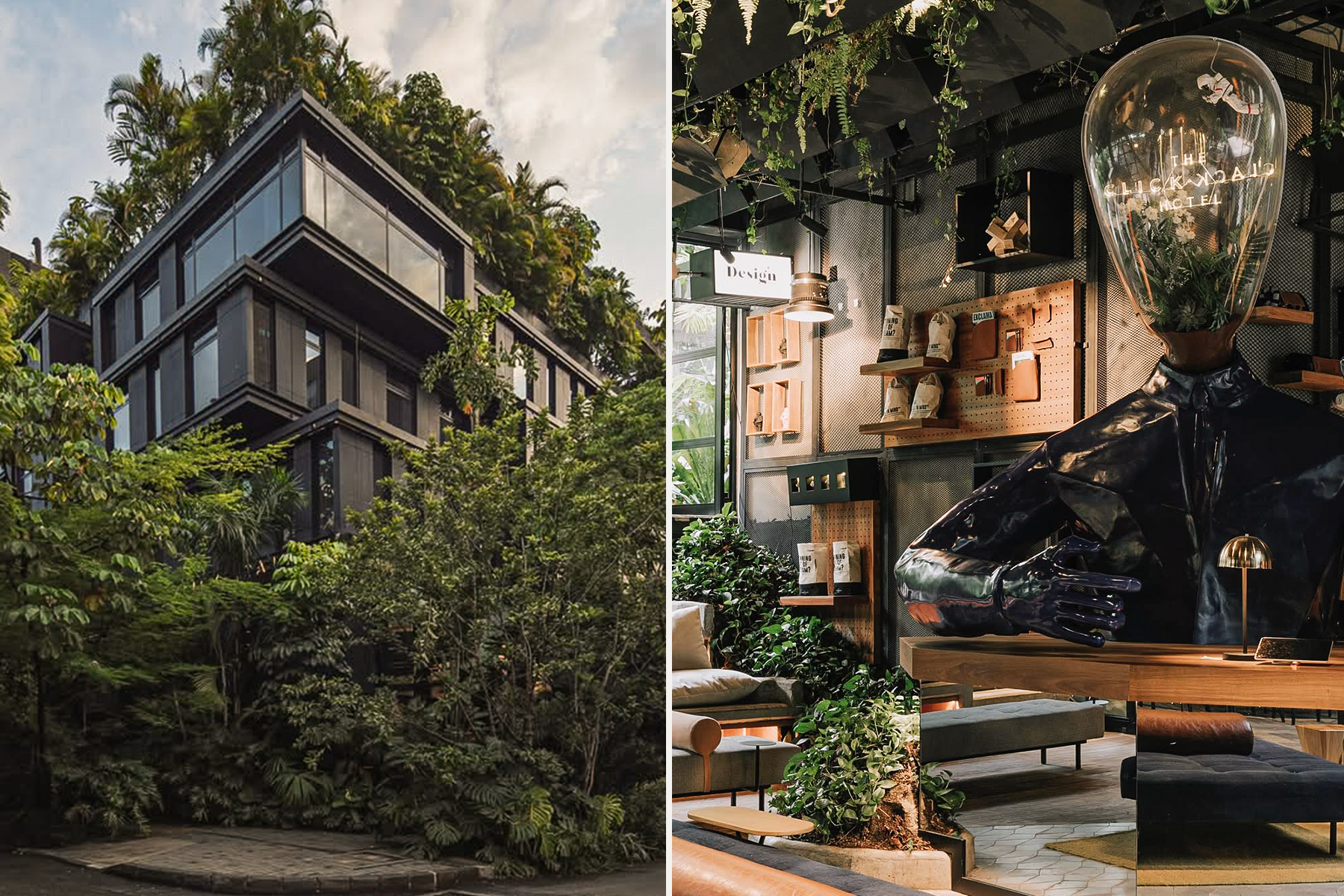
A design hotel immersed in greenery
Images courtesy of Click Clack
Coffee Time
Sourcing meticulously harvested and roasted beans, Colombia’s cafés have embraced the ‘fourth wave’ of coffee culture, a movement defined by scientific brewing, sustainability and direct relationships with growers. Bogotá’s Tropicalia, ranked number nine on the World’s Best Coffee Shops list, exemplifies this approach.
To understand the crop-to-cup process more fully, venture into the mountainous Zona Cafetera. Vintage open-top jeeps navigate the region’s rocky roads with ease, transporting travellers to welcoming haciendas like Hacienda Bambusa, which offers hikes through the surrounding plantations, horseback and hot-air balloon rides, and birdwatching excursions.
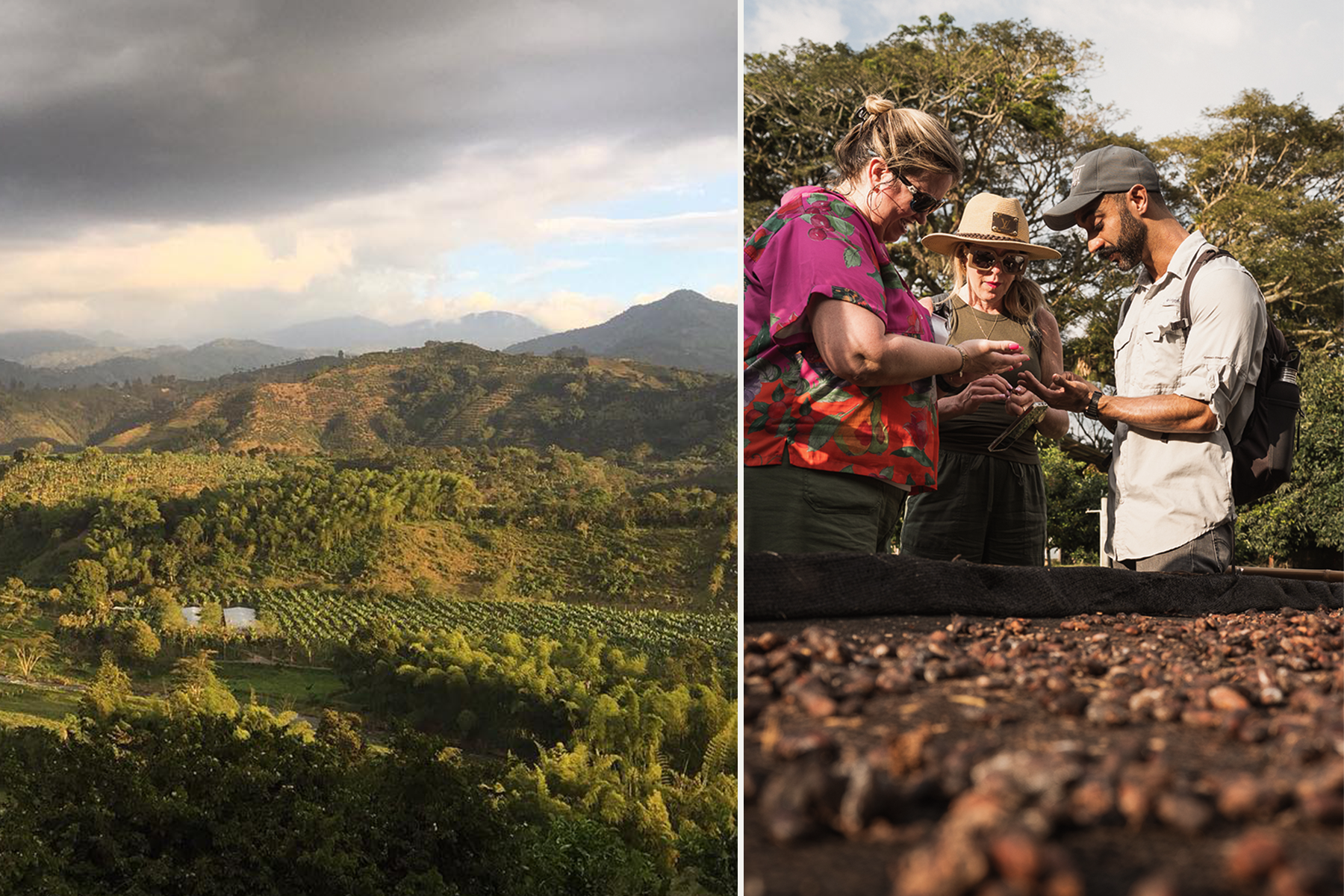
Colombia’s coffee heartland
Images courtesy of Hacienda Bambusa
Sense of Place, on a Plate
With coastlines on both the Pacific and Atlantic Oceans, the Andes slicing through its centre and the Amazon stretching across the south, the country’s diverse ecosystems grow an extraordinary range of ingredients that are celebrated in its restaurants.
Cartagena’s Celele, winner of the Sustainable Restaurant Award 2025, is leading the way for a new generation of chefs who are exploring regional produce with curiosity and care. Dishes such as its Caribbean flower salad with pickled cashews highlight its commitment to sourcing indigenous ingredients from small-scale producers.
In Bogotá’s historic La Candelaria, Luz Dary Cogollo – affectionately known as Mama Luz – serves rustic home-cooked classics at Restaurante Doña Luz, where many local chefs insist the city’s finest ajiaco, a traditional chicken and potato soup, can be found.
Meanwhile, in Medellín’s Sambombi Bistró Local, chef Jhon Zárate supports Colombia’s ingredient-led culinary movement with a weekly changing menu that’s shaped by seasonality and what’s growing in the restaurant’s garden.
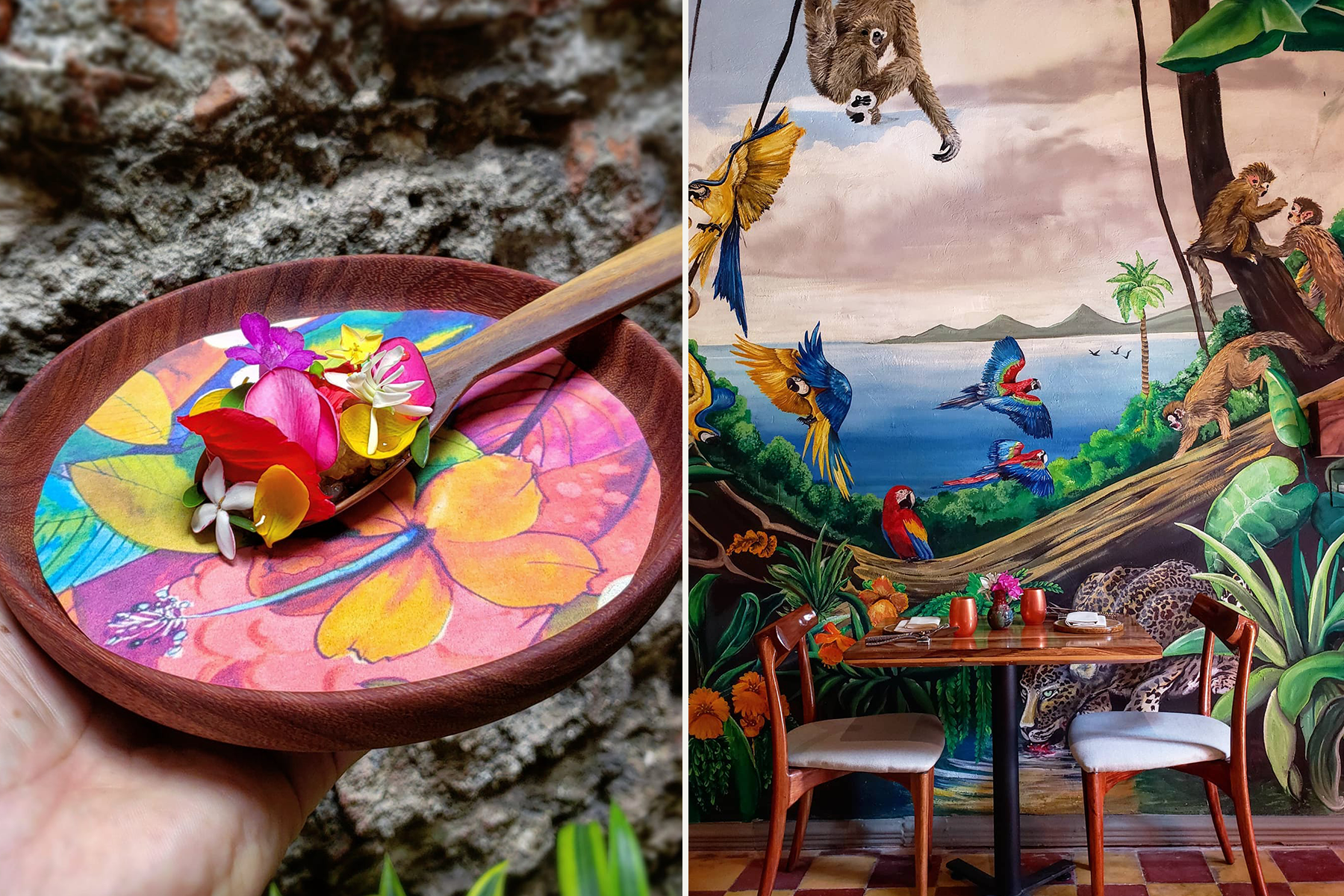
A vibrant take on Colombian cuisine
Images courtesy of Celele
The Countryside Calls
From tropical rainforest trails to rugged highlands, Colombia’s pristine national parks offer a striking contrast to its bustling cities, and many offer luxury accommodation that’s designed to immerse guests in the surrounding landscape. On the Caribbean coast, One Santuario Natural, situated near the white-sand beaches of Tayrona National Natural Park, connects guests to the sprawling forest through open-air bathrooms and terraces hung with hammocks.
To the north of Bogotá, nestled in the Andes and close to Barichara – regularly referred to as Colombia’s prettiest village – Casa Yahri’s sun-drenched decks overlook Chicamocha National Park, with its cactus-dotted slopes and historic Camino Real walking trail.
While a couple of hours south of Medellín, in the Cocora Valley – part of Los Nevados National Natural Park – hiking trails wind through cloud forest, across waterfalls and past towering wax palms. Eco-lodges, glamping experiences and boutique hotels in the colourful towns of Filandia and Salento offer a stylish base from which to explore Colombia’s extraordinary natural landscapes.
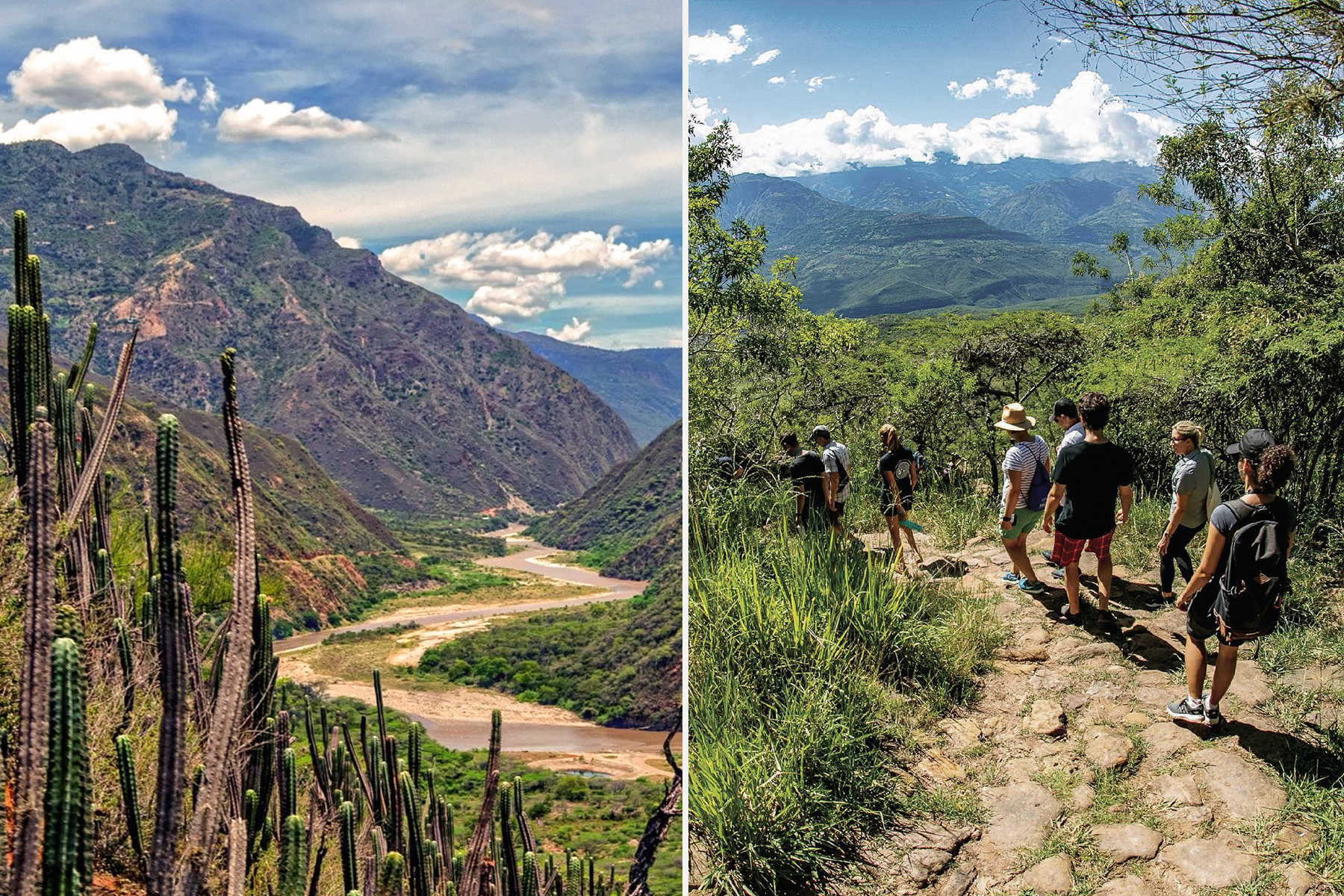
Exploring Colombia’s rugged landscapes
Images courtesy of Casa Yahri
A More Private Perspective
Just 50 minutes from Cartagena, within the protected Rosario Islands Natural Park, Mambo Island offers complete privacy in its purest form. Booked in its entirety, the island becomes a secluded retreat, with seven individually appointed bedrooms and a collection of open-air living and dining areas designed to capture the Caribbean breeze.
Designed for effortless living, the property flows between shaded interiors and breezy outdoor settings. A sandy pathway connects the main house to the bedrooms and the sea beyond, where days are shaped by swimming, quiet moments under parasols and dining that is fully personalised by a private chef.
The island itself offers a range of experiences, from kayaking and paddle boarding to more high-energy pursuits such as wakeboarding and jet skiing. Beyond it, the Rosario and San Bernardo archipelagos open up through boat excursions, while diving and snorkelling reveal a vivid underwater world.
From there, the experience can stretch even further. Helicopter expeditions offer access to remote regions of the country, from the Sierra Nevada to Tayrona National Park, alongside opportunities to visit coffee and cacao haciendas or connect with indigenous communities. It is a stay that moves effortlessly between stillness and discovery.
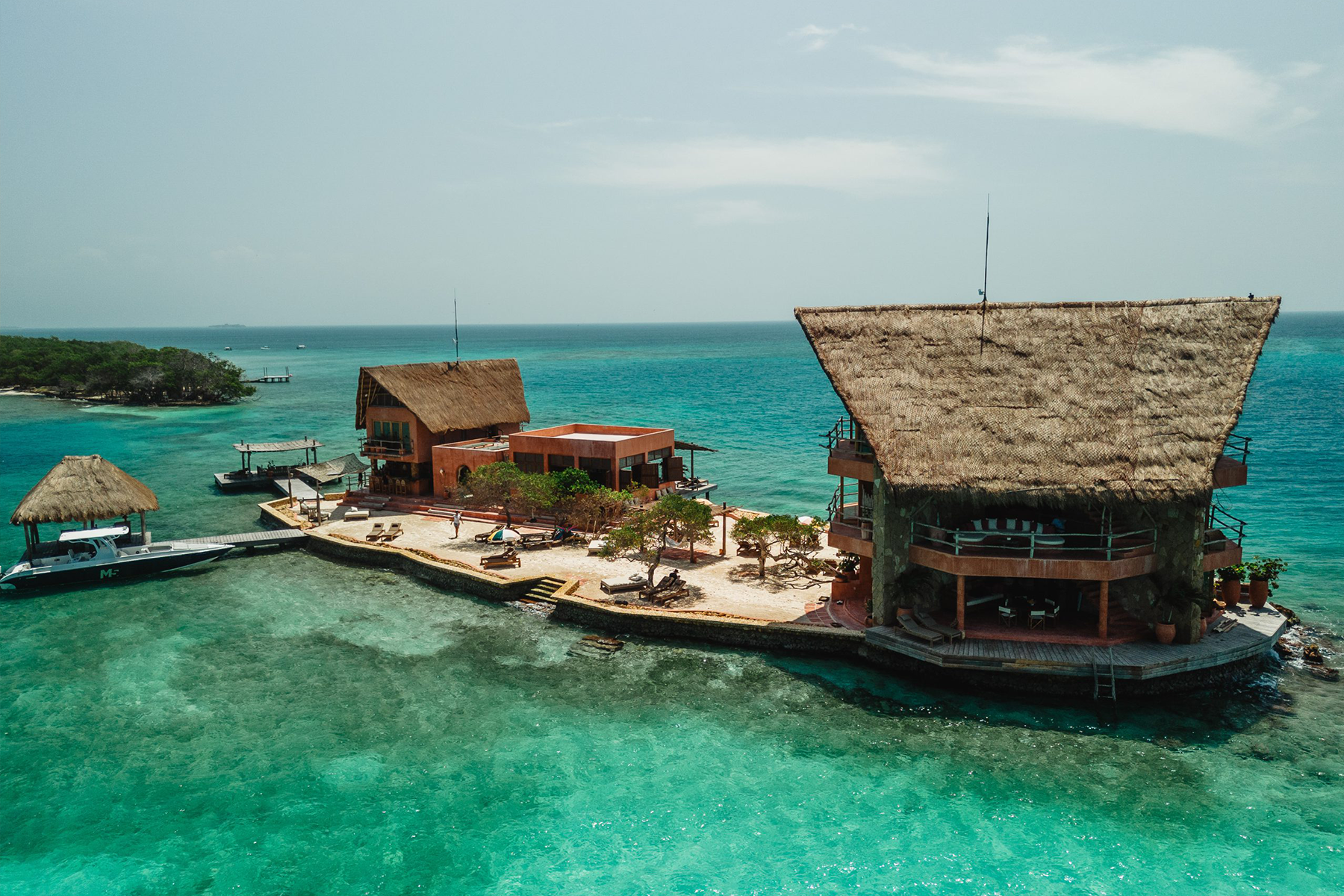
A private island escape
Image courtesy of Mambo Island, Galavanta Collection
A New Way Through the Country
For a different perspective on Colombia’s landscapes, river travel is beginning to open up new routes through the country. AmaWaterways is among the first luxury operators to navigate the Magdalena River, which flows from the Andes to the Caribbean. Along its banks, colonial towns, vibrant riverside communities and dense, wildlife-rich landscapes unfold in slow succession.
The launch of AmaMagdalena in 2025 has added a new dimension to these journeys. With just 60 guests on board, the experience is deliberately intimate, combining contemporary design with regionally inspired cuisine and a strong focus on cultural immersion.
Itineraries such as ‘Wonders of Colombia’ and ‘Magic of Colombia’ trace the river’s path through a series of culturally rich destinations, alive with music and tradition. In places like Mompox, a UNESCO-listed town, visitors are offered a glimpse into the past, while further along the river, music, craft and Afro-Caribbean heritage remain deeply embedded in daily life. It becomes a journey that feels layered and enriching, revealing Colombia through its terrain, its people and its stories.
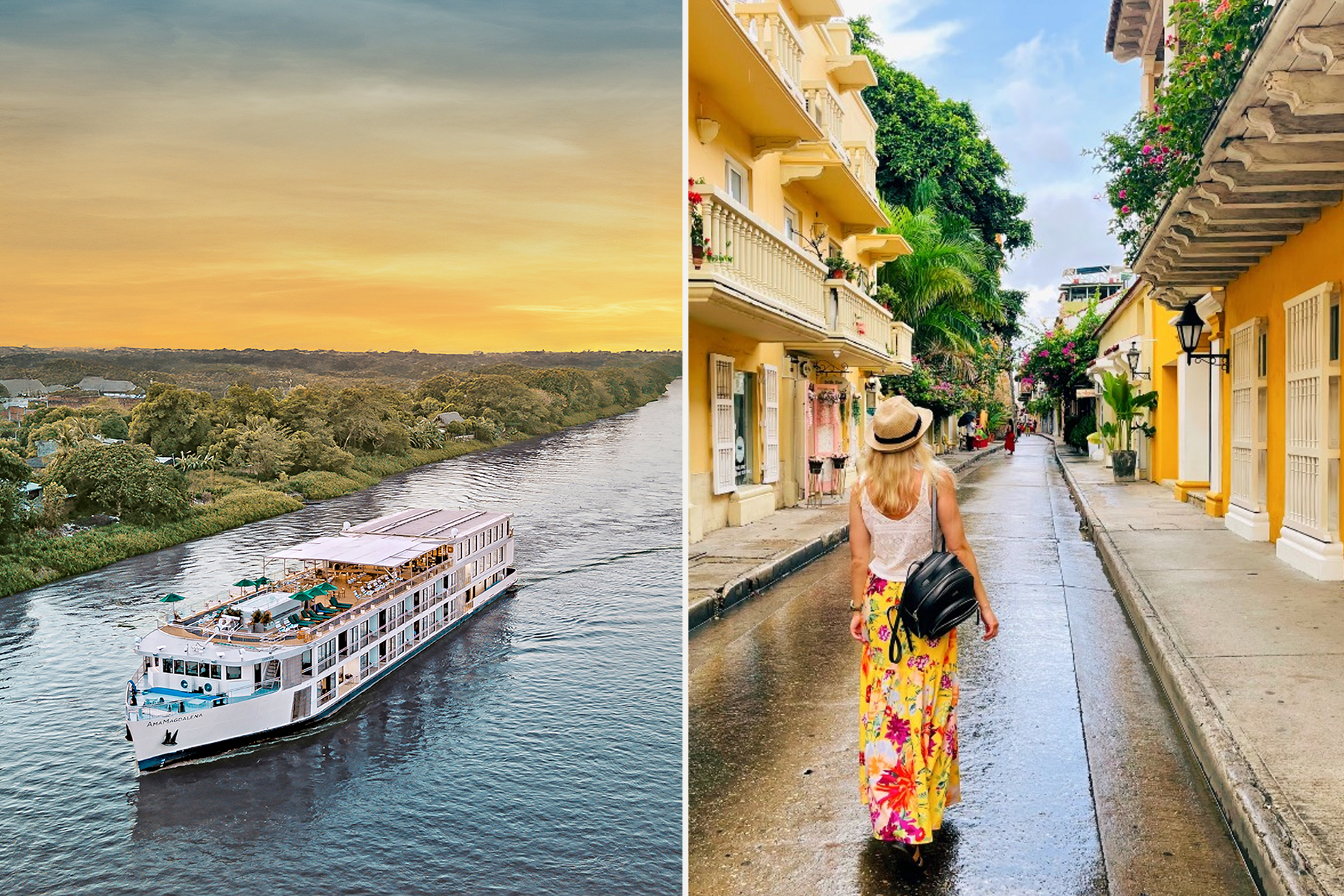
Along the Magdalena River with AmaMagdalena
Images courtesy of AmaWaterways
For those looking to experience Colombia beyond the expected, the ASMALLWORLD Bespoke Travel team is ready to shape a personalised journey as layered and considered as the country itself.
Become a member to join the conversation!
Become part of the world's leading travel & lifestyle community!








Comments