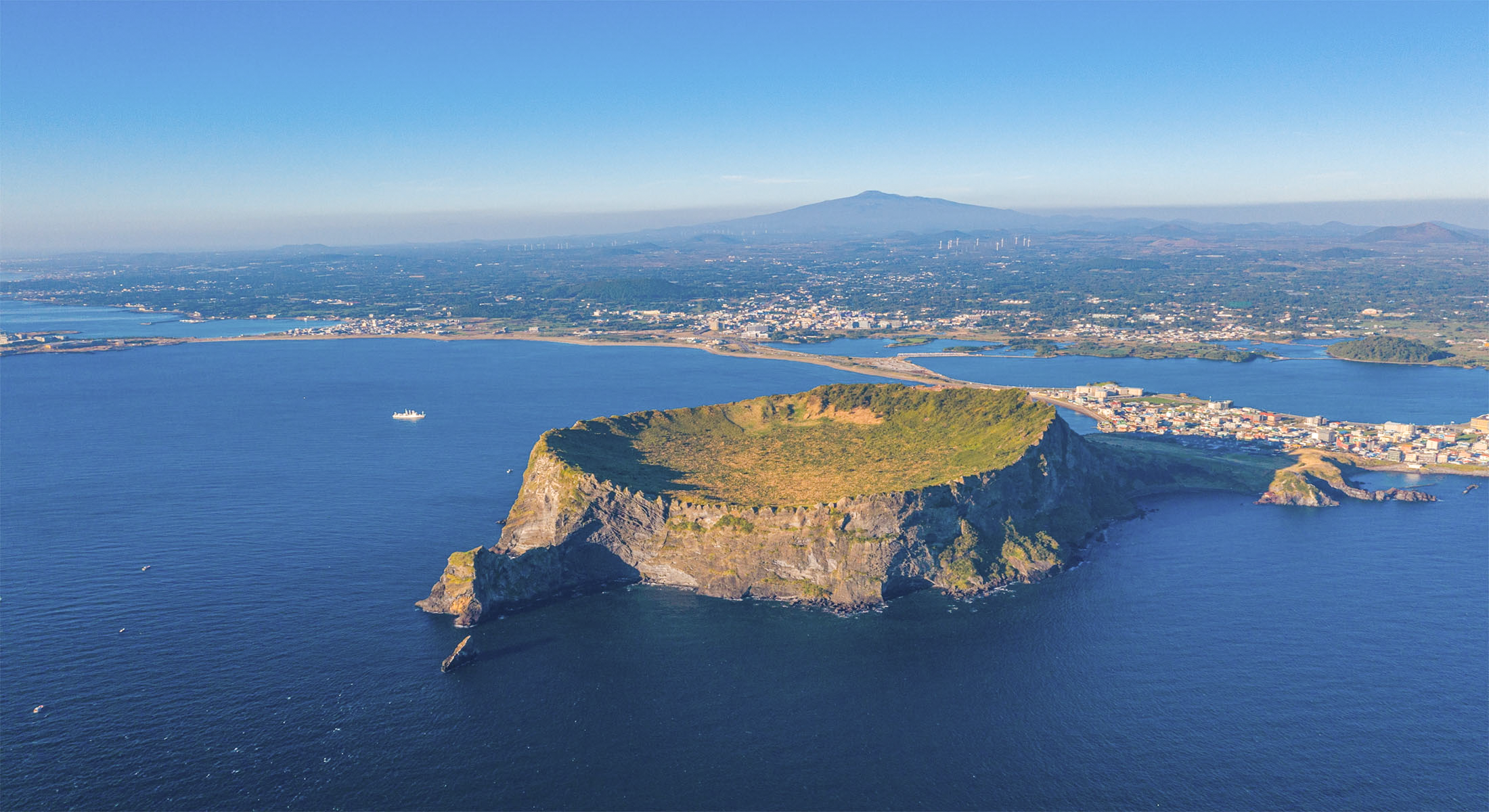
About the landscape
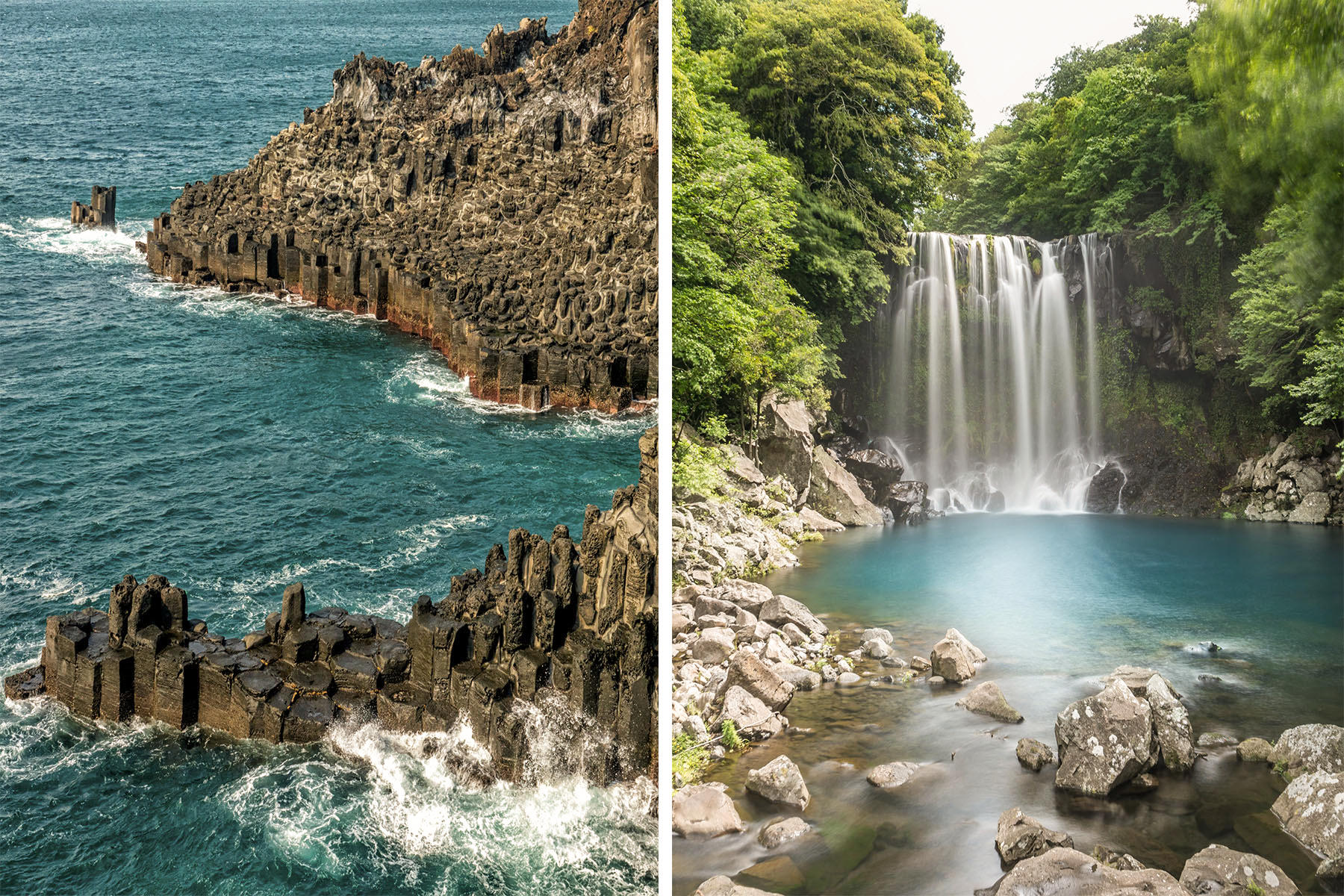
Jeju Island was formed from an underwater volcanic eruption some two million years ago. Raw geological history is visible in every part of its landscape, from crescent black-sand beaches and basalt cliffs to the dramatic Daepo Jusangieolli cliff face where cooled lava rises in hexagonal columns. At the heart of the island is Hallasan, an extinct volcano and South Korea’s tallest peak. The island’s thunderous waterfalls, Jeongbang and Cheonjiyeon, contrast with the eerie quiet of the Manjanggul Lava Tube – a vast network of caves reopening this August following restorations.






Comments