Whether in the cerulean coves of the Amalfi Coast or the tide-washed shores of the Seychelles, rock pooling is an invitation to explore the world’s seas and oceans, not from above or afar, but within. For travellers who’ve done it all, this is the next adventure to have on your list.
Along the edge of rocky coastlines, a different kind of wilderness is revealed. In a world increasingly obsessed with speed, the rock pool safari is a meditative experience that values slowness and attention to detail.
What is a rock pool safari?
Unlike reef diving or open-water swimming, rock pool safaris take place in the narrowest margins of land and sea. As the tide recedes, it leaves behind pockets of water trapped in rocky hollows with a self-contained micro universe. Here, tiny hermit crabs scuttle between seaweed gardens, anemones flutter with the tides and starfish cling to the undersides of stones. No two rock pools are the same. For a few hours each day, you get a front-row view of a part of nature that remains hidden for the rest of the day.
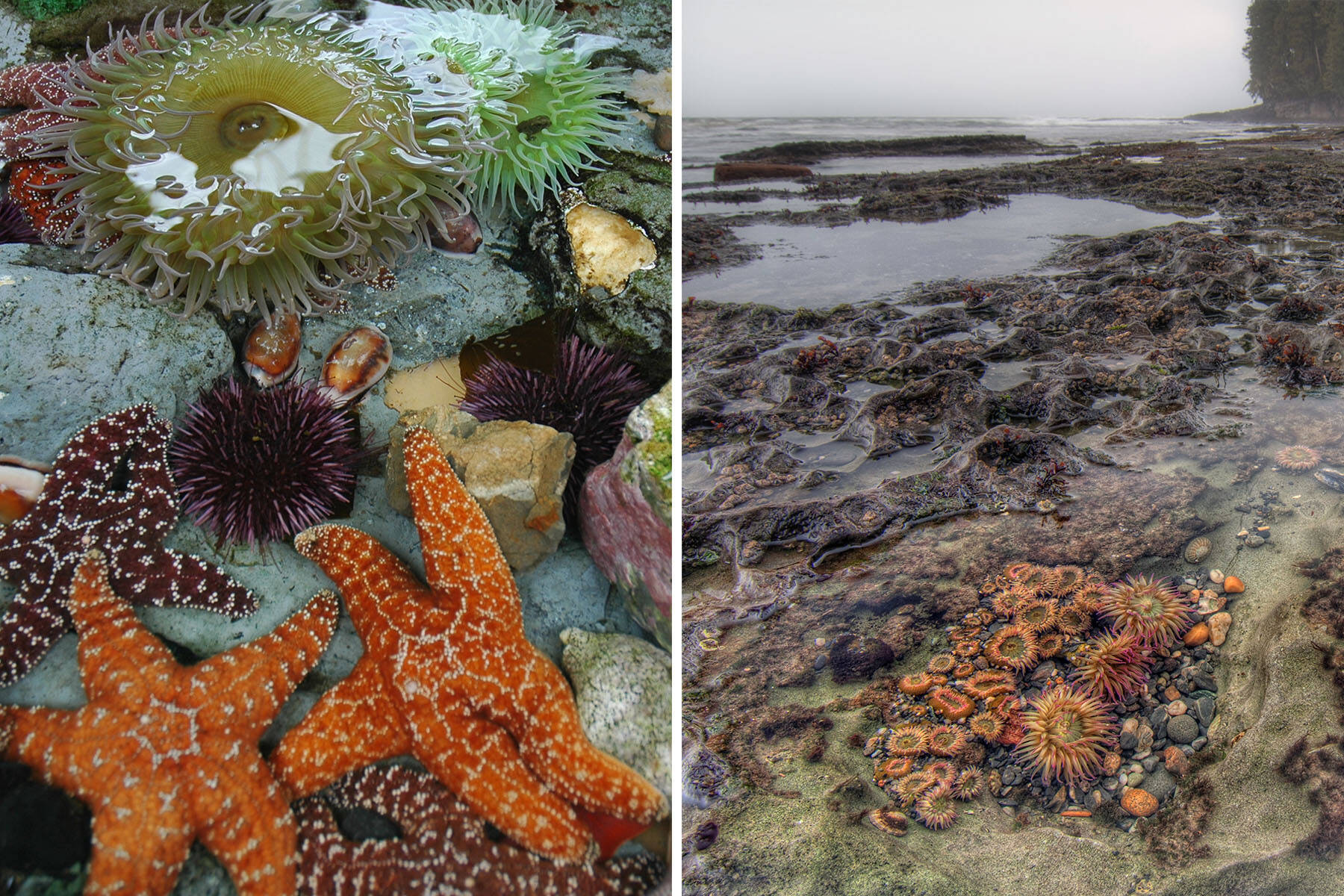
OBSERVE THE CREATURES OF THE SEA UP CLOSE
Where to Go
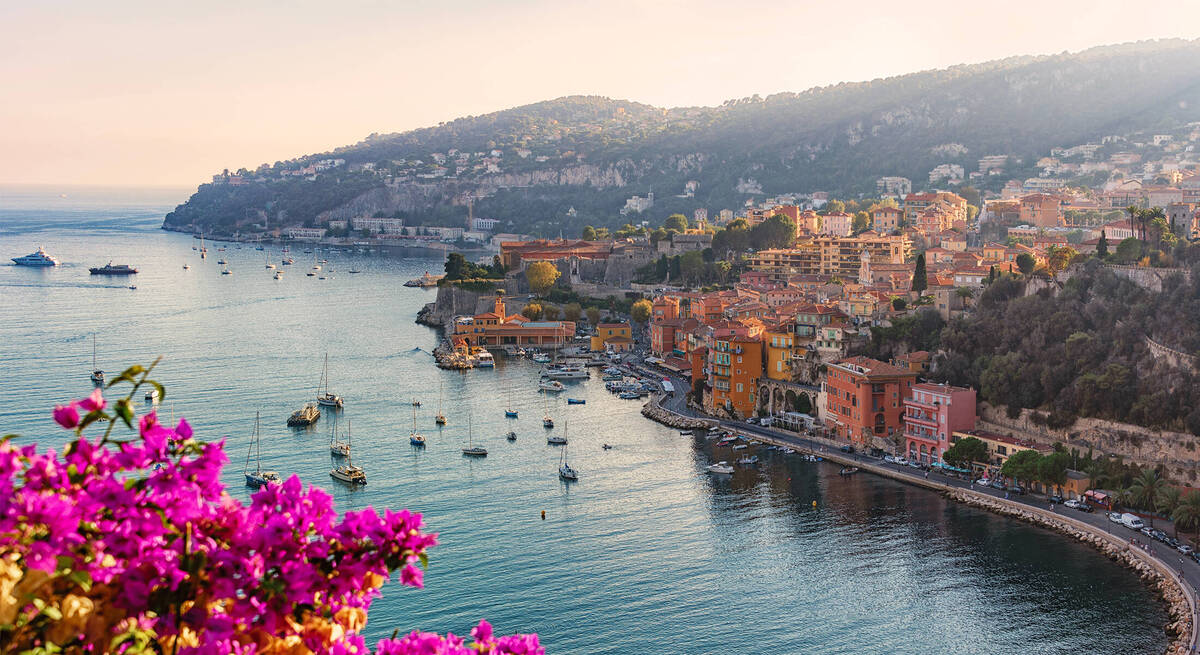
Some of the best locations for rock pooling are found in places where dramatic coastlines meet strong tidal movements. Along England’s Jurassic Coast, framed by ancient cliffs and quaint seaside villages, fossil-strewn beaches give way to pools teeming with starfish, limpets and sea anemones. In Cornwall, spots such as Fistral Beach and the rocky fringes of St Ives are ideal for discovering the quiet wonders of intertidal life. On the French Riviera, the shores near Èze and Cap Ferrat offer an elegant Mediterranean take on the experience. Here, between sunbathers and superyachts, the shallow, clear waters reveal crabs and sea urchins nestled among sun-warmed stones. Further south, Portugal’s Algarve coast is a favourite for its blend of dramatic limestone formations and protected rock pools. Around Lagos and Sagres, the golden cliffs shelter natural basins perfect for a midday wander, especially in the quieter shoulder seasons. Australia’s Bondi Beach is best known for its surf, but head to the Bondi-to-Coogee coastal walk and you’ll discover a series of tidal rock shelves where marine life flourishes.
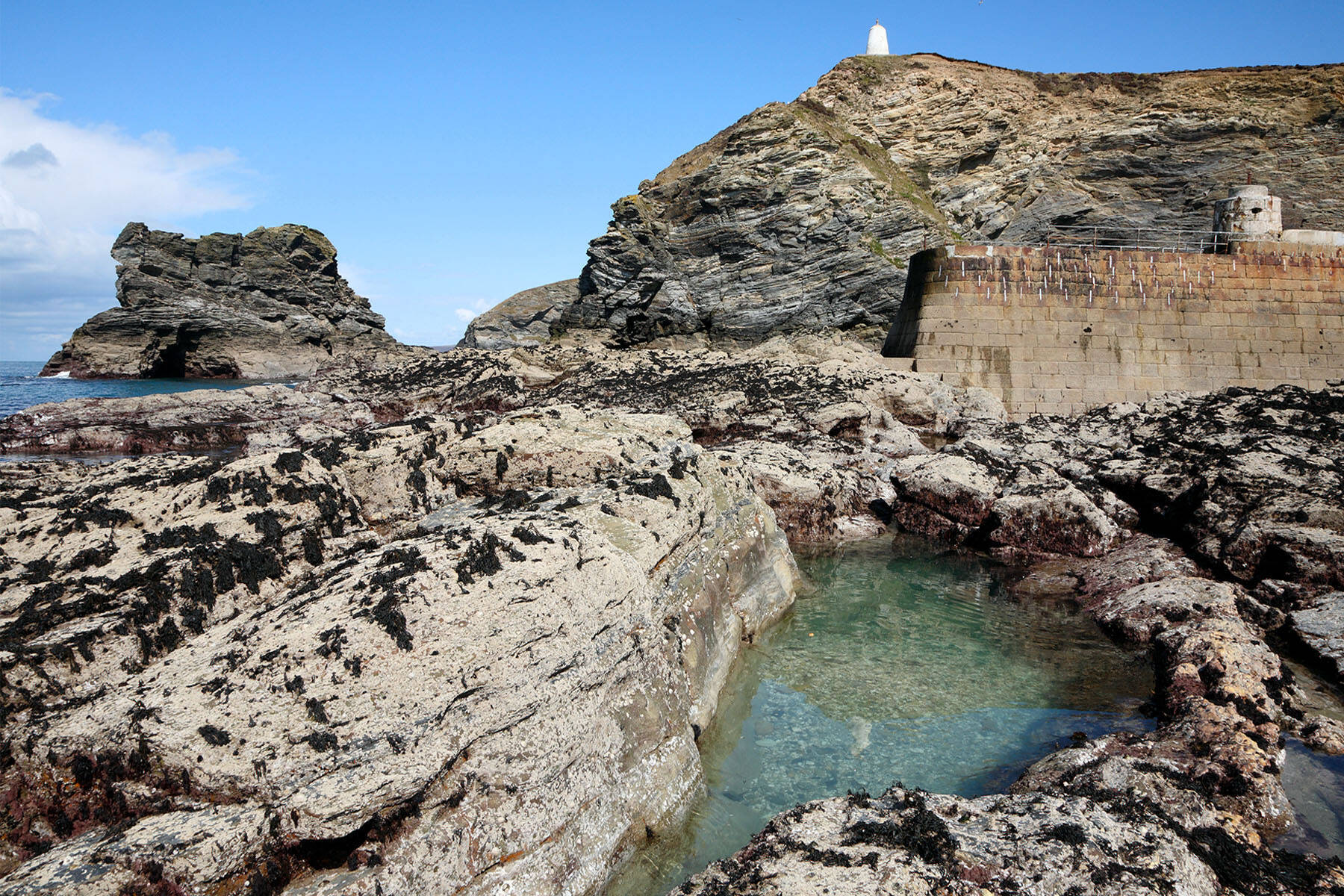
ROCKY ALCOVES ARE PRIMED FOR EXPLORING
What to Bring (and What to Leave Behind)
Waterproof sandals or light reef shoes are essential, as are light linen layers and hats for sun protection. A pair of polarised sunglasses will help you see past the surface glare into the depth of each pool.
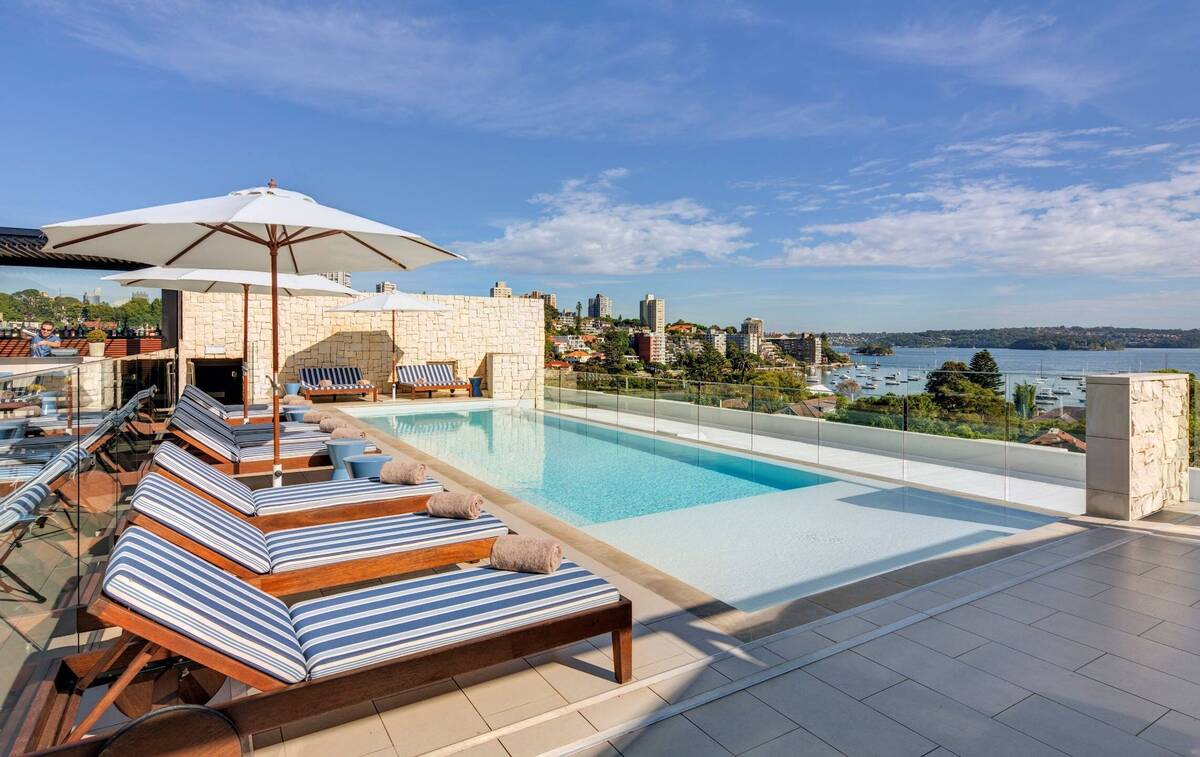
If you're staying at a boutique coastal resort, we suggest asking the concierge for low-tide times and local spots, as many hotels now include guided rock pool safaris as part of their experience offering. We recommend booking a stay at the InterContinental Sydney Double Bay between Bondi Beach and Watsons Bay, a secluded coastal region of Sydney, Australia. If you’d prefer the French Riviera, Hôtel Martinez is an Art Deco palace with a private beach club and a two-Michelin-starred restaurant. Explore our full offering of pristine seaside properties, including exclusive VIP rates and extraordinary benefits, on ASMALLWORLD Collection.

Become a member to join the conversation!
Become part of the world's leading travel & lifestyle community!







Comments