×

48 Hours in San Sebastian

48 Hours in San Sebastian

With more Michelin stars per square mile than almost anywhere else on earth, San Sebastian (Donostia in Basque) has long been a pilgrimage for serious food lovers—but that is only half the story. Crescent‑shaped La Concha Bay curves around the city like a smile, Belle Époque façades frame the promenade, and forested hills rise behind terracotta rooftops, giving this small seaside city a cinematic sense of drama. Over two days, there is just enough time to taste both sides of Donostia: the polished, white‑tablecloth temples and the noisy, txakoli‑splashed bars favoured by locals.

Storied Streets and Serious Pintxos

La Parte Vieja, San Sebastian’s old town, is where the city’s pulse beats loudest and the best place to begin an immersion in Basque life. Wedged between Monte Urgull and the harbour, its tight grid of streets was once hemmed in by walls; today, it is a maze of pintxo bars, tiny groceries, and balconied apartments draped with washing and Basque flags.

Start mid‑afternoon, when the neighbourhood is quieter and the counters are easier to take in. Skip anything piled too high; locals tend to order freshly prepared hot pintxos from the blackboard instead of pre‑plated towers. Classic addresses like La Cepa, known for silky jamón, draw diners back again and again, but those in the know also slip into Casa Urola for refined bar‑side plates or head around the corner to Gandarias for its legendary txuleta and old‑school atmosphere.

For a more contemporary take, pull up at the zinc counter of La Cuchara de San Telmo, tucked almost anonymously beside the San Telmo Museum. Here, modern pintxos - melt-in-the-mouth veal cheeks or perfectly seared foie - emerge from a tiny open kitchen at a relentless pace, attracting a mix of in-the-know travellers and local regulars.

Between bites, duck into San Telmo Museum. Housed in a former 16th-century convent at the foot of Monte Urgull, it offers a beautifully curated primer on Basque identity, from ancient artefacts to cutting-edge installations.
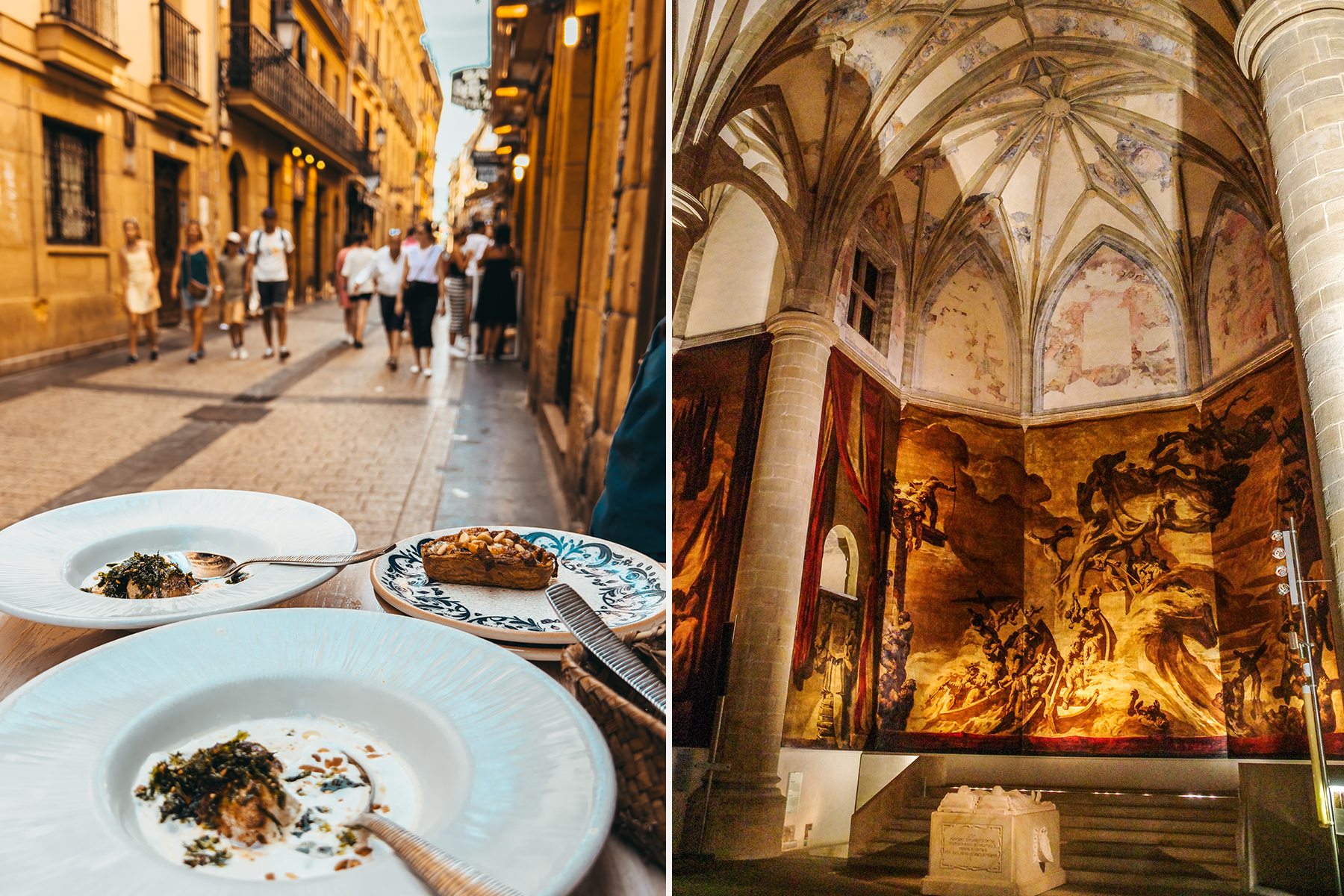
Delicious pintxos, followed by a visit to San Telmo Museum

Hilltop Fortresses and Destination Dining

Monte Urgull rises directly behind the old town, and the climb begins almost as soon as you turn a corner off the pintxo circuit. Shaded paths snake past moss-covered battlements and viewpoints, framing La Concha and the river mouth from ever-shifting angles. At the summit, the Sagrado Corazón statue stands alongside the remains of Motako Gaztelua, the old fortress. It is a favourite morning ritual for locals: a brisk hike up, a few minutes of sea air at the top, then a slow wander back down in time for a late coffee.

As the day slides towards evening, the city’s dual personality emerges. On one hand, there are cult bar stools to bag; Bar Nestor, where just a handful of golden tortillas are made each day, is almost a sport in itself, with devotees queuing to have their names scrawled on the list. Nearby, La Viña’s burnt‑edged, impossibly creamy cheesecake has become something of a rite of passage; go later in the evening, when the crowd is mostly Spanish and the lights are low.​

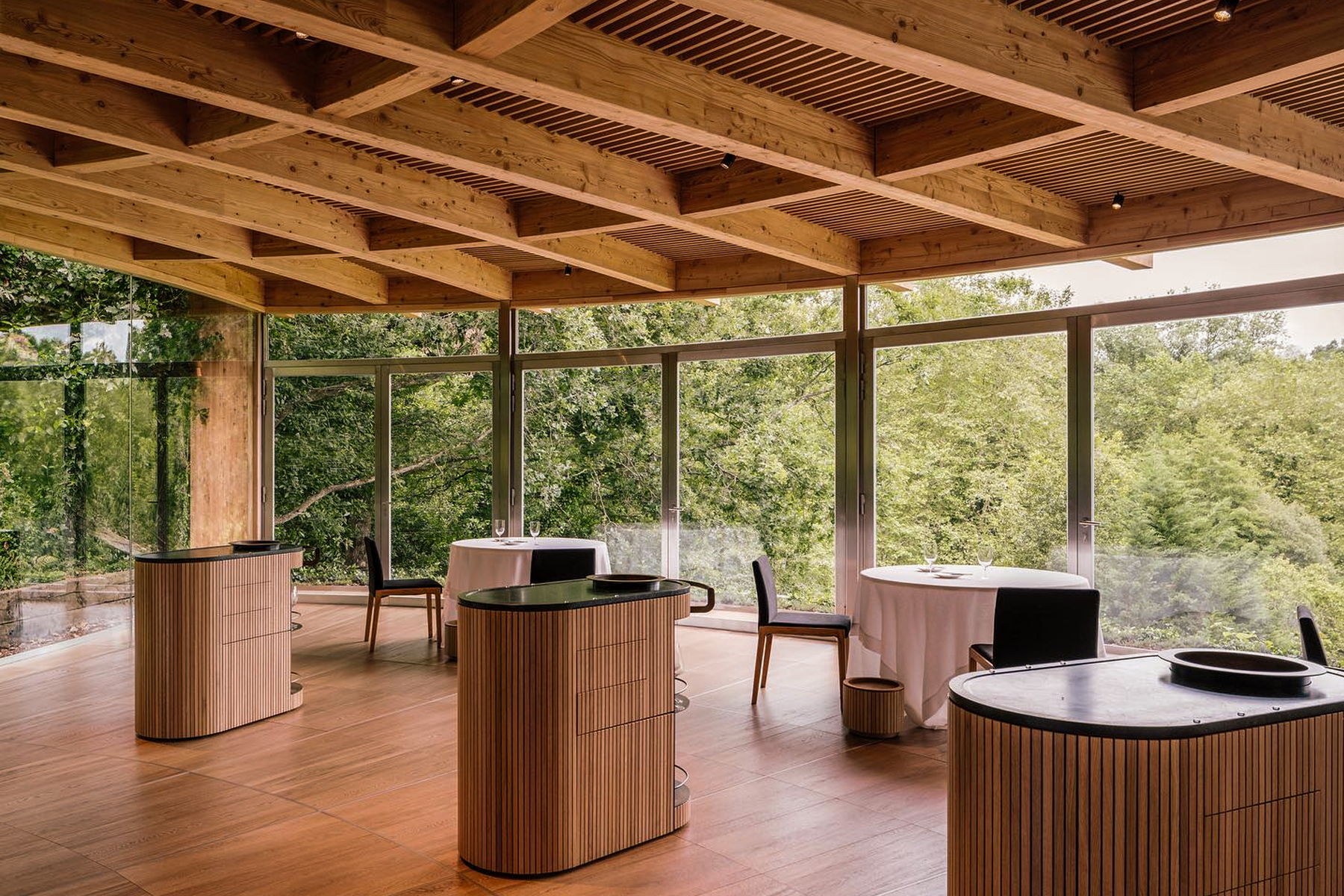
On the other hand, San Sebastian is also home to some of Europe’s most decorated dining rooms, and it is entirely plausible to go from pintxo crawl to three‑star tasting menu in a single night. Arzak, still a reference point since the 1980s, fuses avant‑garde technique with deeply rooted Basque flavours. Nearby, Martín Berasategui delivers its own expressions of New Basque cuisine from the green hills above town. For something more boundary‑pushing and cerebral, Mugaritz, set in the countryside beyond the city limits, offers a multi‑course journey that feels as much like performance as dinner.

Do note that many of these star‑studded rooms close on Mondays and Tuesdays and almost all require a credit card to secure reservations, making advance planning essential.

A Michelin-starred moment set against the green hills

Image courtesy of Restaurante Martín Berasategui

A Nightcap Above the Bay

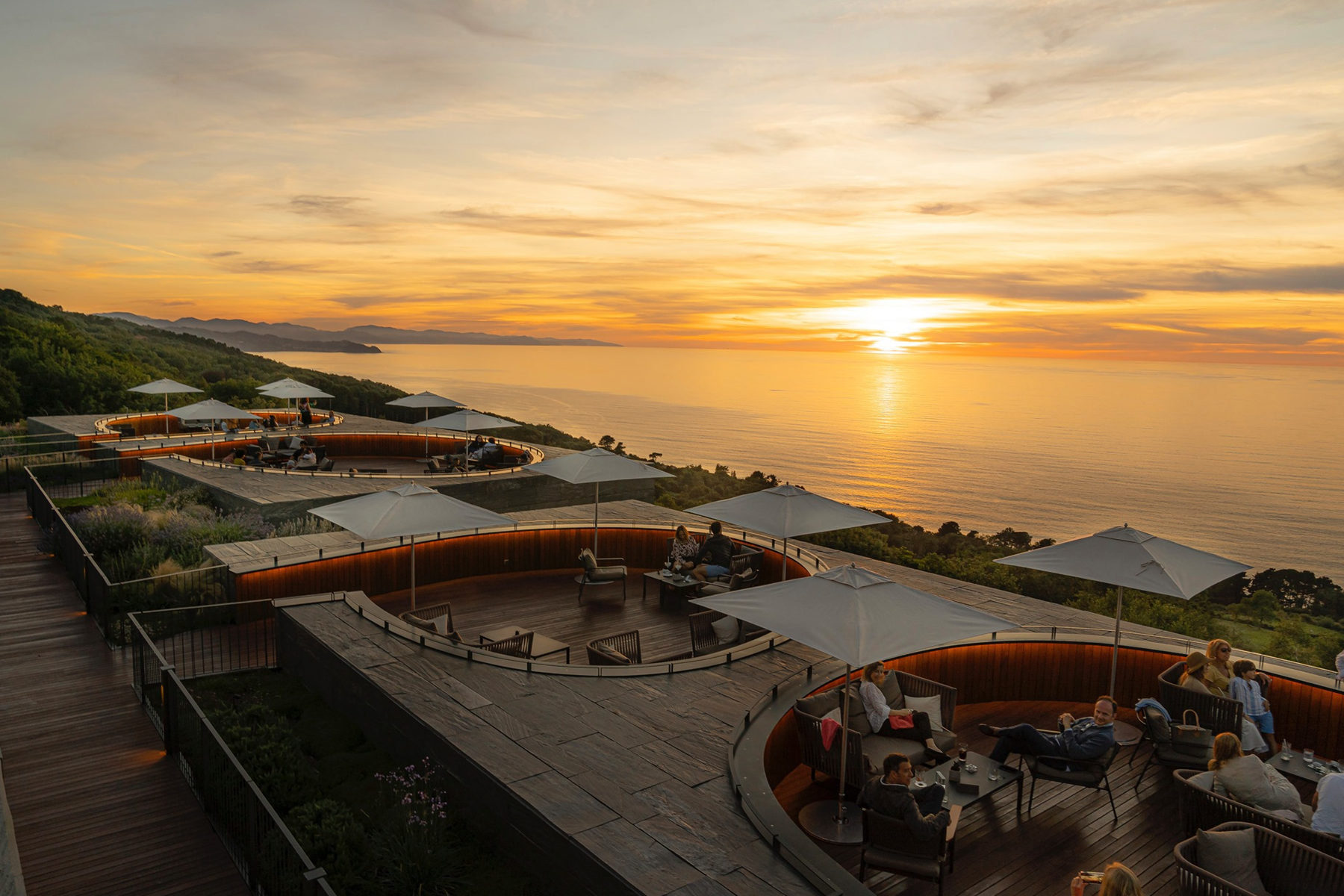
If the tasting menu is the crescendo, end the night with a quieter, more intimate ritual: a nightcap with the Bay of Biscay spread below. Perched at the luxury hotel Akelarre, Patxi Troitiño Terraza Cocktail Bar sits just outside the city proper. The short drive is rewarded with polished drinks and horizon-wide views that make a second Sazerac feel inevitable.

A taxi will glide you back to town in minutes, ideally to a grand old landmark like Hotel Maria Cristina, whose Belle Époque bones have witnessed the city’s transformation from 19th‑century seaside resort to contemporary gourmet capital.

Golden hour above the Bay of Biscay

Image courtesy of Akelarre Restaurant

La Concha Mornings

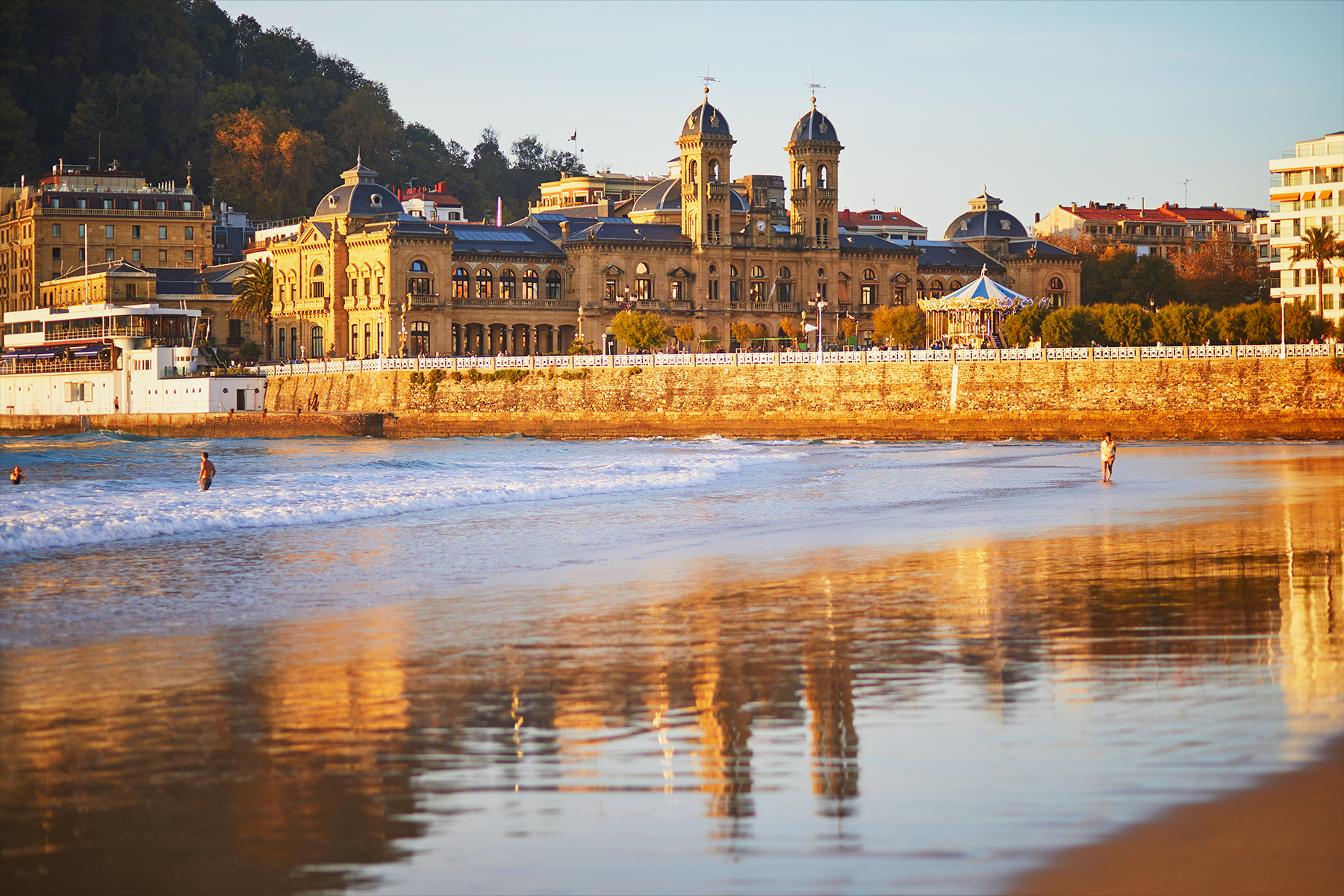
Mornings in San Sebastian belong to La Concha. Locals treat the promenade as their informal living room: joggers trace the curve of the bay, swimmers plunge into the still water, and families stroll between ornate lampposts and white balustrades. Join them with a coffee and pastry picked up in the old town, then walk the length of the beach to Ondarreta and out towards the western headland.

Here, where the city meets the rocks, you will find Eduardo Chillida’s Peine del Viento (“Comb of the Wind”), a trio of rusted iron sculptures embedded in the cliff, framing the Atlantic in different moods. On stormy days the waves smash against the stone and send plumes of spray through blowholes in the promenade; on calm days, the installation feels almost meditative, a quiet conversation between art and sea.

Turquoise waters of La Concha Beach

From Market Stalls to Cider Houses

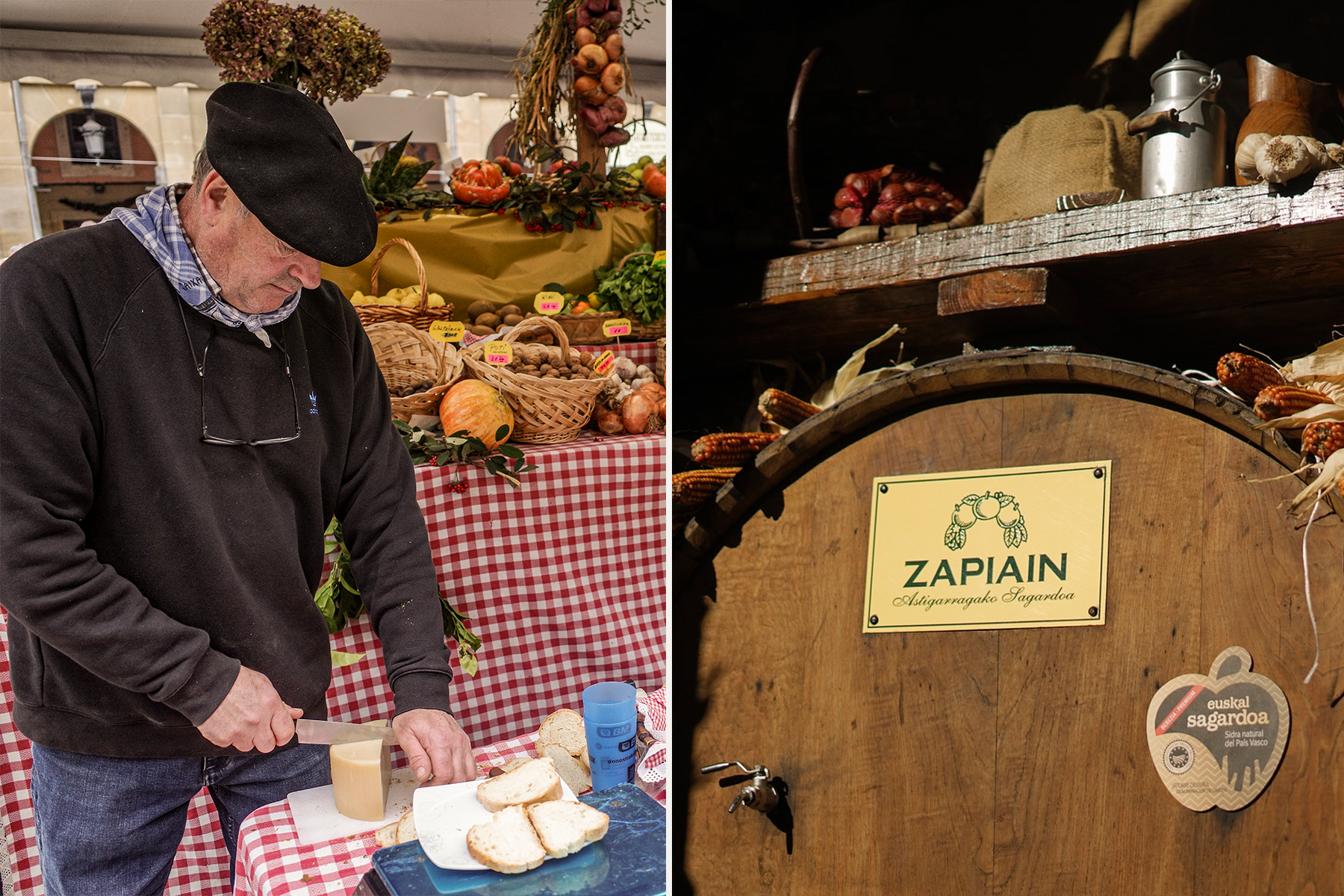
By late morning, attention returns to food, viewed through a more grounded, local lens. San Sebastian’s markets are where chefs and home cooks still shop, offering a vivid snapshot of Basque produce: thick ropes of peppers, glistening fish landed that morning and wheels of cheese from inland farmsteads. Mercado de la Bretxa, on the edge of the old town, is particularly atmospheric, its stalls piled high with ingredients that will later reappear on pintxo counters across the city.​

For lunch, follow the locals back towards La Concha and slip into Narru, a sleek, contemporary restaurant beloved for clean, produce‑led cooking and some of the city’s best seafood. If you have more time, or a car, Rekondo, with its legendary wine cellar, is another insider favourite, feeling half like a restaurant and half like a temple to oenology. Out in Gros, Zelai Txiki pairs traditional ambience with excellent fish and shellfish, while more rustic spots like Portuetxe specialise in grilled seafood and hefty txuleta steaks, ideal for long, convivial lunches.

In the afternoon, swap wine for sagardoa, the region’s naturally fermented cider. A short trip out of town brings you to Zapiain, one of the Basque Country’s most revered cider houses and a place to learn why locals are so serious about this cloudy, tangy drink. Cider is poured from height to aerate it and traditionally drunk standing at long wooden tables, often alongside hearty dishes built for sharing. This ritual forms an essential part of the Basque gastronomic psyche.

Local produce and cider house traditions

Culture, Festivals and the Wider Basque Picture

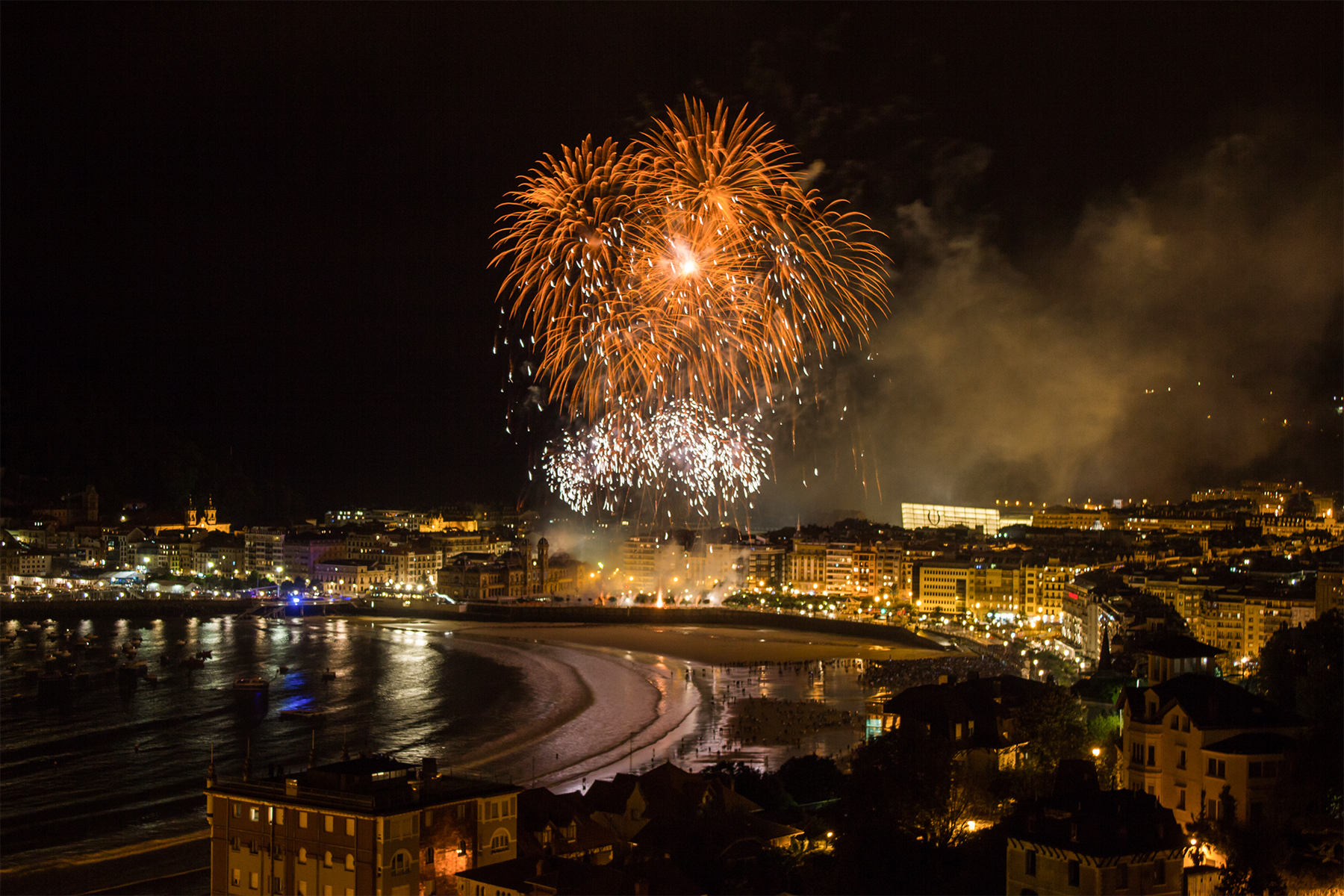
For all its restaurant buzz, San Sebastian remains deeply rooted in culture and community. Timing a 48-hour stay to coincide with one of its major events adds another dimension to the experience. In late September, the San Sebastian International Film Festival brings cinema royalty to town and turns the Kursaal and Hotel Maria Cristina into glamorous focal points. In August, Semana Grande sees fireworks crackle over the bay and the streets brim with concerts and festivities.​

For a gentler pace, the surrounding coastline offers a series of easy, rewarding day trips. Small fishing towns like Getaria and Hondarribia, both rich in maritime history and culinary talent, are within comfortable reach and make a compelling final chapter to a San Sebastian stay. Wander their cobbled streets, taste more grilled fish, and, in Getaria’s case, discover where the local txakoli wines are born on sea‑breezed slopes.​

Forty‑eight hours in Donostia is ultimately a lesson in balance: between sea and city, high gastronomy and humble bars, polished façades and gritty harbour corners. Leave room for serendipity—an unplanned bar stool, a sudden decision to climb a hill at golden hour—and the city will quickly feel less like a checklist and more like a place you could imagine returning to again and again.

Semana Grande, lighting up the bay

For journeys that move between pintxo bars and Michelin-starred dining with ease, the ASMALLWORLD Bespoke Travel team can create a San Sebastian experience shaped by both discovery and detail.

Become a member to join the conversation!

Become part of the world's leading travel & lifestyle community!

Related editorials

Hidden Escapes and Quiet Luxuries

Four blissful islands for romance, solitude and luxury

Volunteer Abroad at a Wildlife Conservation Centre

Learn how communities are protecting vulnerable species around the world.

5 Things to do in Madrid

Explore the best attractions in Spain’s vibrant capital